


Fenugreek: The Healing Herb and the Heart’s First Friend
13 September, 2026
Khartoum (Sudanow) — If you are looking for the key to restoring skin beauty, combating lethargy and laziness, boosting energy, regulating blood sugar, and supporting liver and intestinal health, that key can be found in fenugreek seeds—the first drink of motherhood. Dr. Mohamed Osman Maisara, a consultant in community and public health, confirmed this in an interview with Sudanow.

Fenugreek is considered one of the most important legumes and an undisputed treasure in preventive, therapeutic, and rehabilitative healthcare, particularly for rural populations, traditional communities, nomadic herders, and farmers. A traditional saying goes: “If people knew what fenugreek contained, they would buy it even by its weight in gold.”
There are two main types. The most common is the local or yellow variety, which is widely used for nutrition and traditional medicine. The other is the red variety, known as “horse fenugreek,” which is rich in vitamins and mineral salts. Fenugreek is cultivated in many parts of Sudan, including Al Jazirah, Gedaref, the Blue Nile, Kassala, Tokar, and Jebel Marra.
Economically, fenugreek is characterized by its low cultivation costs. One acre produces between 800 and 1,200 kilograms, depending on the variety. Its growing period ranges from 90 to 150 days, while varieties grown solely as animal fodder require only 20 to 30 days. Fenugreek also helps improve soil fertility.
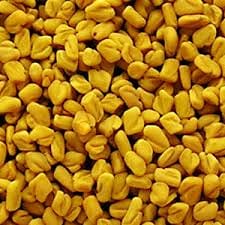
Fenugreek held a prestigious position in Kushite civilization thousands of years ago. Its seeds were found in royal tombs, where they symbolized fertility and resurrection in the afterlife. Fenugreek seeds and the oils extracted from them were among the aromatic substances used in mummification to preserve bodies. Its leaves and roots were burned in temples as rituals intended to draw closer to the gods and cleanse and purify the air.
Fenugreek was also found in ancient papyri as a primary treatment for several respiratory and digestive ailments, as well as wounds. The Kushites regarded it as the first drink of motherhood, using it during labor to facilitate childbirth, stimulate breast milk production, and combat the effects of aging.
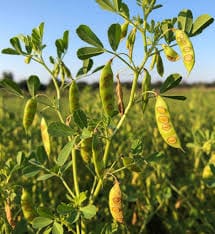
In Islamic heritage, fenugreek was also highly regarded. Ibn al-Qayyim described it as a beneficial and blessed remedy for chest and digestive disorders and for stimulating the appetite. Its importance is attributed to its protein, carbohydrates, fiber, mineral salts, vitamins, and antioxidants. It is also easy to use in several forms, including powder, infusion, sprouts, hot fenugreek drinks, and hair rinses intended to help protect against hair loss and graying.
In oasis regions, fenugreek is one of the most successful legume crops because of its ability to withstand temperature fluctuations. It is considered an important source of energy, refreshing and hydrating the body. Sprouted fenugreek has become part of the food culture during holidays and is used in traditional dishes. It also has wide applications in preventive medicine, including for colds and digestive and respiratory problems.
Dr. Maisara, an expert in traditional and complementary medicine, adds that fenugreek plays a preventive, therapeutic, and rehabilitative role for women because it contains phytosterol compounds that resemble the female hormone estrogen. These compounds may contribute to hormonal balance, help regulate the menstrual cycle, and reduce menstrual pain and symptoms associated with menopause.
Fenugreek also contains antioxidants and vitamin A, which may help protect against breast, uterine, and colon cancer. It may stimulate milk production in breastfeeding women, increase appetite and body weight, and help prevent anemia because of its iron content. It also moisturizes and brightens the skin and may help reduce hair loss.
However, fenugreek should be avoided during pregnancy because it may stimulate uterine contractions, potentially leading to miscarriage or premature labor.
For children, fenugreek is generally safe when used cautiously and in moderate quantities. It may help relieve colic, gas, and bloating, stimulate appetite, assist in treating underweight conditions, strengthen immunity, and support bone health.
For older adults, fenugreek may help reduce acidity, prevent constipation, and improve digestive health because of its fiber content. It may also support the rehabilitation of patients recovering from inflammation because it contains vitamin C and other vitamins. In addition, it supports bone health, helps maintain blood sugar levels, and may support memory while reducing or protecting against age-related diseases and Alzheimer’s disease because it contains useful amounts of zinc, magnesium, phosphorus, and calcium.
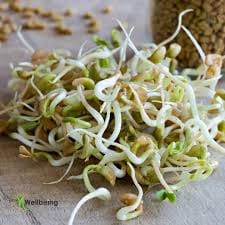
Fenugreek also supports eye and retinal health and may help protect against age-related visual impairment when consumed in moderation.
For young people, fenugreek is a valuable source of energy. It may improve endurance and physical and athletic performance, contribute to increased muscle mass, and support testosterone levels, which are associated with improved sexual health and increased libido. When included as part of a balanced diet, fenugreek may also help reduce total cholesterol and fat levels.
Excessive consumption, however, may cause digestive problems and gas. It may also lower blood sugar, alter the smell of sweat and urine, and cause allergic reactions in some people.
Dr. Mohamed Osman, a member of the Permanent Committee for Medicinal and Aromatic Plants and chairman of the committee responsible for establishing schools of complementary medicine, points out that fenugreek has been used in traditional veterinary medicine since ancient times. It became known as “Greek hay” because of its use in improving animal health and productivity, eliminating worms, reducing inflammation in horses and ruminants, supporting immunity, increasing muscle mass and body weight, and stimulating milk production. In poultry, it is used to increase egg production.
In the manufacturing sector, fenugreek is no longer regarded merely as a traditional plant. Because it contains bioactive compounds—including fiber, plant gum, steroidal saponins, proteins, and high-quality oils—it has become an important component in the development of promising manufacturing industries.
Fenugreek is used in the production of dietary supplements, as well as in emulsifiers and natural stabilizers for baked goods and dairy products, where it can replace artificial substances. It is also used in canned foods and ice cream. Because it contains aromatic and volatile oils, it is used as a flavoring agent in beverages and baked goods.
A popular traditional dish called “madeeda al-hulba” is prepared by adding fenugreek and clarified butter to flour and milk. It is served as a dessert and is traditionally given to women during the postpartum period to help relieve uterine contractions and stimulate milk production for the newborn.
Furthermore, fenugreek acts as a preservative because of its antimicrobial properties. It is important in the manufacture of skincare products, creams, and powders, and it is also widely used in the pharmaceutical and concentrated animal-feed industries. In addition, it has an important role in the production of packaging materials.
The experts recommend greater attention to fenugreek as a means of supporting young people in rural areas, benefiting from it in small-scale traditional industries, promoting local products associated with it, strengthening food security, and using it in livestock farming.
In conclusion, Dr. Maisara recommends expanding the commercial cultivation of fenugreek to help employ and retain young people, develop rural areas, and increase incomes. He also recommends processing and packaging fenugreek for export in order to benefit from its added value and support the national economy.
Post your comments
Photo of the Week

Cairo – (Sudanow) Taqa Al-Noor Mohamed Al-Noor, who topped Sudan's 2026 Secondary School Certificate examinations with a score of 97.7%, did not achieve this result on an easy, trouble-free path. Her journey was shaped by hard work, perseverance, and determination, amid educational and social circumstances that presented their own challenges. What makes her experience par...
More-

30 August, 2026
Stories from the Heart of the Battlefield From a University of Khartoum Professor to a Vegetable Seller in Cairo
Cairo (Sudanow) In one of Cairo’s neighborhoods, where the stories of passersby intersect with the details of everyday life, the story began with a quiet-faced Sudanese man standing behind a small vegetable stall. He carefully arranged tomatoes and greens, selling them with a smile. Few of those passing by knew that the man they addressed so simply had spent years of his life in lecture halls and scientific research labor...

Contact Us

Address: Sudan News Agency (SUNA) Building, Jamhoria Street, Khartoum - Sudan
Mobile:+249 909220011 / +249 912307547