


The Nile Crocodile in Sudan: Between the Importance of Conservation and the Risk of Human Conflict
13 September, 2026
Khartoum (Sudanow Magazine) Biologists confirm that the relationship between humans and the environment is governed by complex environmental and behavioral factors. What occurs between them in terms of action and reaction is not the result of a sudden change in nature, nor is it a random event.
This year, the banks of the River Nile and its tributaries have witnessed hunting and killing of crocodiles on a large scale, following a series of brutal fatal attacks on residents living along the riverbanks. These incidents have raised questions about why they are recurring with such frequency: Is it due to a shortage of food? Or a shift in their behavior? And most importantly: Does this behavior justify killing them so ruthlessly?.
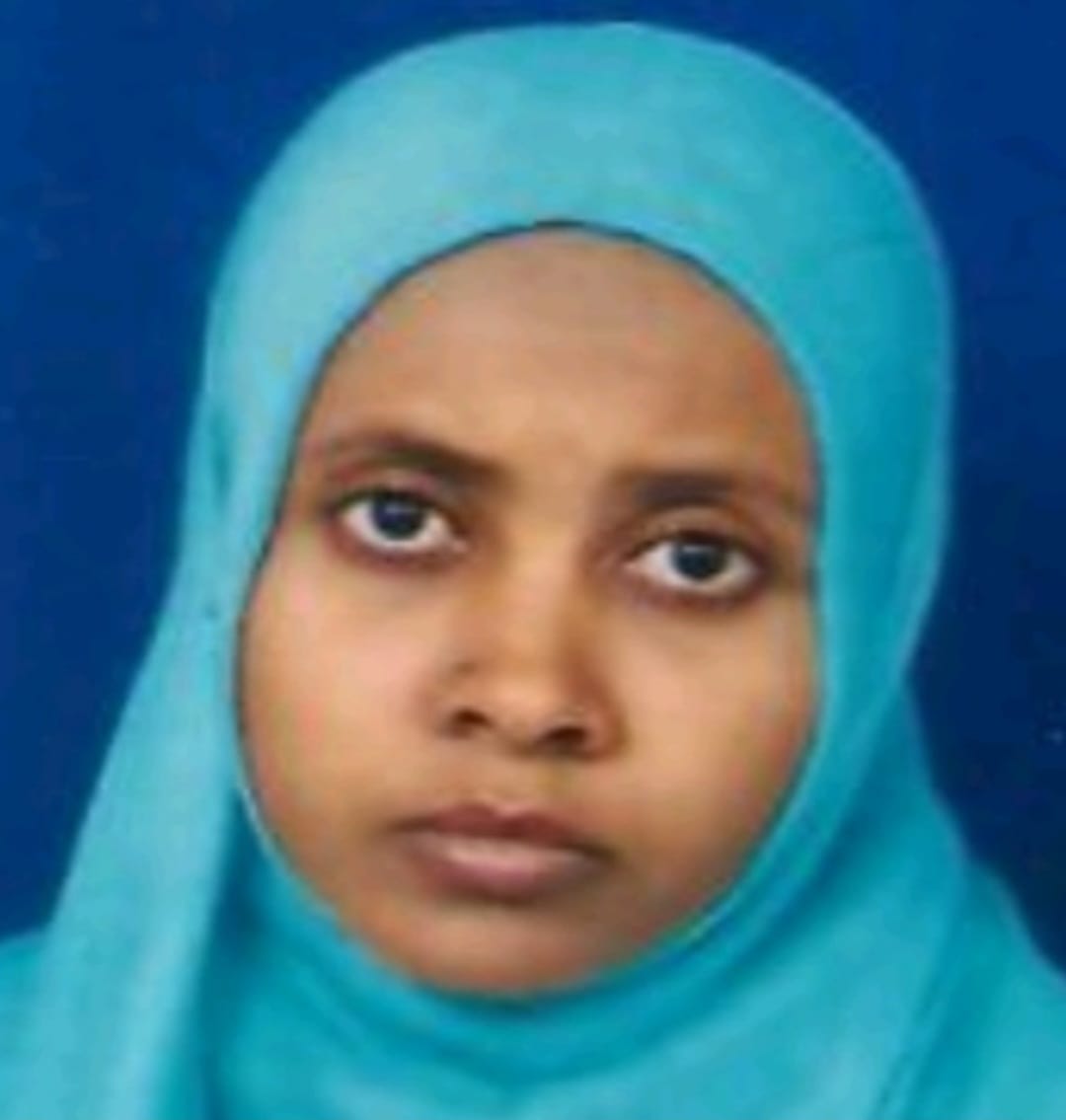
To find answers to these questions and understand the implications for both sides, we spoke to Dr. Reem Rabie Mohamed Saleh, Professor at the Faculty of Veterinary Medicine, University of Khartoum.
-Is there such a thing as a "Sudanese crocodile"?.
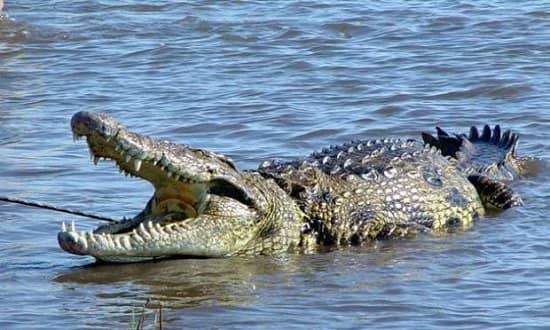
-Dr. Reem Rabie said: "Without a doubt, this name is incorrect. The crocodile found in Sudan is the Nile crocodile _(Crocodylus niloticus)_, one of the largest reptiles in the world. It lives on average between 50 and 70 years, and may live longer in suitable environments. Large males can exceed 5 meters in length and weigh more than 700 kilograms, while females are smaller."
-Where are its main distribution areas in Sudan?.
-Dr. Reem answered: "Crocodiles are distributed along the River Nile and its tributaries, especially in: Northern State, River Nile State, Blue Nile, White Nile, and in some dams, lakes, and permanent water bodies. However, they prefer calm areas with deep water and sandy banks."
- What is the number of crocodiles in Sudan now?.
- Unfortunately, there is no recent study. According to the latest available official field study in Sudan, the number of crocodiles in Sudan was estimated at only about 2,350 crocodiles along the course of the Nile and Lake Nubia. This was in a study conducted between 2009 and 2014.
Without a doubt, this figure represents a very large decline, as estimates dating back to the 1970s indicated the presence of about one million crocodiles in Sudan. So what do you think the decline might be in the last ten years.
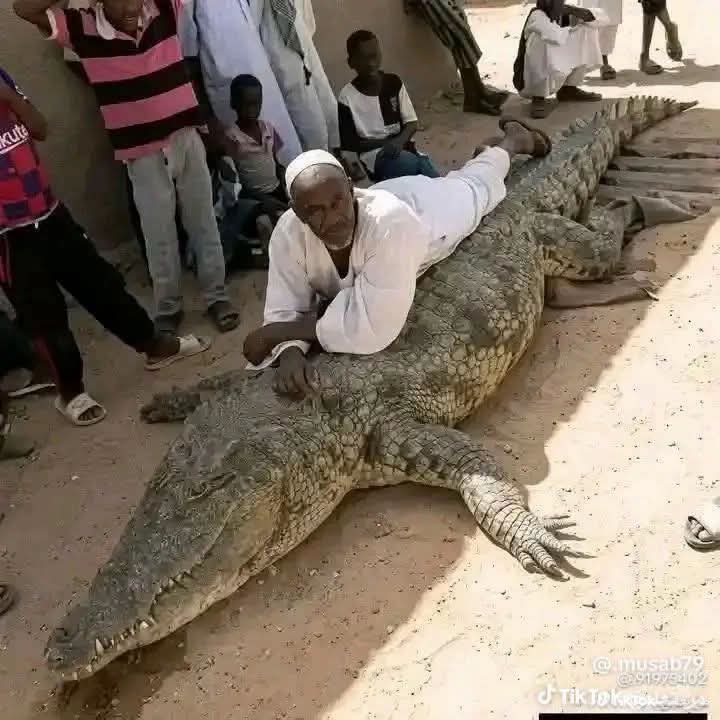
-So why do crocodiles attack humans?.
-Scientifically, humans are not the preferred prey for crocodiles, but they may attack for the following reasons:
First: Territorial defense. The crocodile is a territorial animal, especially large males, and will attack any body approaching its territory or nest.
Second: Misidentification of prey. In murky water, it may interpret human movement as that of an animal drinking from the river and ambush it.
Third: Food shortage. When natural prey declines due to overhunting or environmental change, the likelihood of attacking other animals, including humans, increases.
Fourth: Habituation to humans. In some areas, crocodiles have become accustomed to the daily presence of people on the beaches, which reduces their natural fear of them.
Fifth: Breeding season. During the egg-laying season, females become highly aggressive in defending their nests and young.
-If large fish are abundant, as they are these days, why don't crocodiles just feed on them?.
-This is an important question. Although fishermen have noted an increase in fish size, crocodiles do not choose their prey based on size alone, and there are several explanations. A human swimming or bathing moves on the water's surface in a way that attracts the crocodile's attention. Moreover, attacking a human at the river's edge may be easier than chasing a fast fish underwater. The crocodile is an ambush predator, not a pursuit hunter. As mentioned earlier, not every attack is for feeding; it may be for territorial defense. Therefore, the abundance of fish does not completely prevent attacks on humans.
-The pressing question is, why have incidents increased recently?.
-In truth, there is still no study confirming a single cause responsible for all incidents. However, there may be several combined reasons, including rising water levels or a shift in the river's course, increased use of beaches by citizens, agricultural expansion near crocodile habitats, a decline in some natural prey in specific areas, and an increase in crocodile numbers in some locations due to successful conservation programs.
-Does the crocodile have a natural enemy?.
-It depends on its age. For example, eggs and hatchlings are preyed upon by birds, large lizards, and even monitor lizards, as well as some mammals that prey on young crocodiles, and adult crocodiles themselves prey on juveniles of their own species.
-As for large adults, they have almost no natural enemies, but humans are considered their greatest threat through hunting and urban expansion leading to the destruction of their natural habitats, as well as through direct and indirect pollution of the natural environment.
-How can crocodile attacks on humans be reduced?.
-First, swimming should be prohibited in areas known to have crocodiles.
Second, avoid entering the water at dawn or dusk, when crocodiles are most active.
Third, stay away from nesting sites.
Fourth, establish safe water-collection points in villages along the Nile.
Finally, I advise raising awareness among residents and fishermen about danger zones.
-Does the crocodile have ecological benefits?.
-Yes, it has a very important role. Its benefits include: maintaining ecological balance, disposing of sick and dead fish and animals, regulating the numbers of some aquatic organisms, and contributing to the cleanliness and health of the river ecosystem. The presence of crocodiles in the river is an indicator of a healthy aquatic environment, and therefore their disappearance could lead to an imbalance in the food chain.
The Nile crocodile remains an integral part of the River Nile ecosystem, playing a vital role in preserving natural balance, but at the same time it represents a real danger when its habitats are encroached upon or approached without precautions. Studies confirm that reducing attacks depends on managing the relationship between humans and wildlife through awareness, regulating the use of riverbanks, and preserving the natural habitats of crocodiles, in a way that ensures human safety and the continuity of biodiversity.
Post your comments
Photo of the Week

Cairo – (Sudanow) Taqa Al-Noor Mohamed Al-Noor, who topped Sudan's 2026 Secondary School Certificate examinations with a score of 97.7%, did not achieve this result on an easy, trouble-free path. Her journey was shaped by hard work, perseverance, and determination, amid educational and social circumstances that presented their own challenges. What makes her experience par...
More-

30 August, 2026
Stories from the Heart of the Battlefield From a University of Khartoum Professor to a Vegetable Seller in Cairo
Cairo (Sudanow) In one of Cairo’s neighborhoods, where the stories of passersby intersect with the details of everyday life, the story began with a quiet-faced Sudanese man standing behind a small vegetable stall. He carefully arranged tomatoes and greens, selling them with a smile. Few of those passing by knew that the man they addressed so simply had spent years of his life in lecture halls and scientific research labor...

Contact Us

Address: Sudan News Agency (SUNA) Building, Jamhoria Street, Khartoum - Sudan
Mobile:+249 909220011 / +249 912307547