


Abu Hamad… Sudan’s Gold Capital and Commercial Gateway
13 September, 2026
From the Treasures of the Earth to the Arteries of Trade
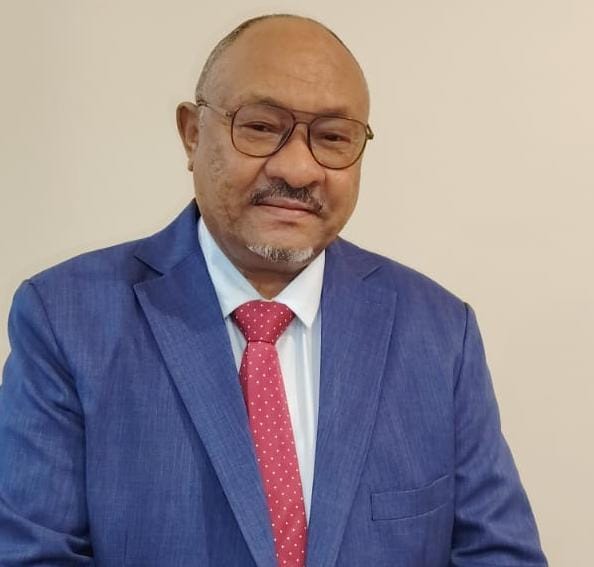
Khartoum (Sudanow) — In the second episode of his historical and tourism series on Abu Hamad, Dr. Yasser Ahmed Ibrahim continues his exploration of the city and its potential. He writes:
If Abu Hamad was once a city shaped by geography and embraced by history, it now stands before an exceptional opportunity to shape the future. The location that has given it importance for centuries, together with the wealth beneath its soil, could make it one of Sudan’s most important economic and commercial centres.
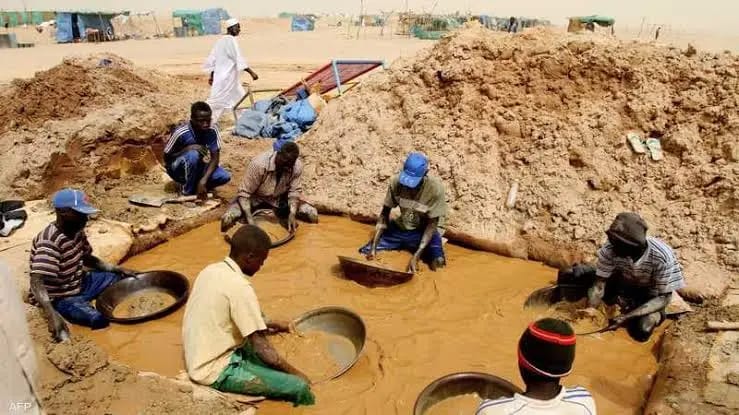
Gold is undoubtedly at the forefront of these resources. Abu Hamad and the wider River Nile region have long been associated with gold and mining, and the area has become an important hub for artisanal mining and mineral investment. Yet the true value of gold lies not merely in extracting it, but in building an integrated economic system around it: exploration, processing, refining, manufacturing, services, transportation, and finance.
This is how Abu Hamad could move from being simply a gold-producing area to becoming an integrated gold-industry centre—creating extensive opportunities for young people, increasing the added value of the nation’s mineral wealth, and reducing the export of raw resources without sufficient benefit to the local economy.
But gold is not the only source of Abu Hamad’s strength.
Its location on the Nile, together with its proximity to road and railway networks, makes it well positioned to serve as an important link between northern, eastern, and central Sudan, and consequently as a key hub for domestic and international trade.
From Abu Hamad, the vision can extend northward toward Egypt, southward and westward toward Sudanese markets, and eastward toward Port Sudan and the Red Sea ports. If modern road and railway networks are completed, Abu Hamad could become a major logistics centre for transporting goods, agricultural products, and minerals between these destinations.
Here, a vision emerges that is greater than that of a mining town: the vision of a free zone and a commercial and logistics centre in Abu Hamad, where trade, industry, storage, transportation, and banking services could come together within a single integrated system.
The region’s mineral wealth is not limited to gold. The presence of marble, mica, iron, and other raw materials opens the door to a range of processing industries, rather than limiting the economy to the extraction and export of raw materials.
As for the Nile, it tells another story of the future.
The hundreds of islands and villages scattered across the area, together with its desert and riverine landscapes, could make Abu Hamad and its surroundings a destination for Nile and archaeological tourism—particularly if archaeological sites were connected through an integrated tourism map that draws on the region’s long history, stretching back to the ancient civilisations of Sudan.
Abu Hamad as the Gold Capital is not merely a slogan. It could become a comprehensive economic project if planning and investment are handled wisely.
What is needed is a modern city capable of accommodating population and economic growth; roads, electricity, water, and telecommunications; an advanced hospital and educational and technical institutions that can train the workforce required by the mining and services industries; and a modern industrial and logistics zone.
Most importantly, wealth must become a blessing for both people and place. Mining revenues should return to the community in the form of education, healthcare, services, employment, and sustainable development, while protecting the environment and preventing the harmful consequences of unregulated mining.
Abu Hamad possesses a rare combination of assets: the Nile, gold, minerals, history, location, and people.
For this reason, the Abu Hamad project is not merely a city project. It could form part of a larger effort to rebuild Sudan’s economy after the war—an economy based on production, manufacturing, and trade, rather than simply exporting raw resources.
Abu Hamad can become the Gold Capital, a trade hub, Sudan’s gateway to Egypt and Port Sudan, and an economic bridge between the Nile Valley and the Red Sea.
The question we will seek to answer in the next episode is:
How can Abu Hamad be transformed from a resource-rich city into a modern industrial and commercial centre, and what will it take for it to become a regional economic hub?
Post your comments
Photo of the Week

Cairo – (Sudanow) Taqa Al-Noor Mohamed Al-Noor, who topped Sudan's 2026 Secondary School Certificate examinations with a score of 97.7%, did not achieve this result on an easy, trouble-free path. Her journey was shaped by hard work, perseverance, and determination, amid educational and social circumstances that presented their own challenges. What makes her experience par...
More-

30 August, 2026
Stories from the Heart of the Battlefield From a University of Khartoum Professor to a Vegetable Seller in Cairo
Cairo (Sudanow) In one of Cairo’s neighborhoods, where the stories of passersby intersect with the details of everyday life, the story began with a quiet-faced Sudanese man standing behind a small vegetable stall. He carefully arranged tomatoes and greens, selling them with a smile. Few of those passing by knew that the man they addressed so simply had spent years of his life in lecture halls and scientific research labor...

Contact Us

Address: Sudan News Agency (SUNA) Building, Jamhoria Street, Khartoum - Sudan
Mobile:+249 909220011 / +249 912307547