


Sudan and IGAD: A New Chapter
20 September, 2026
Relief Over Sudan’s Return and Restoration of Its Seat in the Regional Organisation
Membership Freeze: A Sudanese Message on Respect for Sovereignty
Khartoum’s Importance and Experience Return to the Forefront as Regional Recognition Grows
Restoring IGAD’s Regional Role: Sudan Crisis Back on the Agenda
A sense of relief has prevailed in African circles following Sudan’s announcement of its return to the Intergovernmental Authority on Development (IGAD), after a period during which its membership was frozen. The move reflects the regional bloc’s need for Sudan, given its geographical and political weight and its long-standing experience in addressing issues affecting the Horn of Africa.
Sudan’s return carries broader implications for its position within the African neighbourhood and highlights the region’s need to restore Sudan’s presence in efforts to shape solutions to its crises and challenges.
African Weight
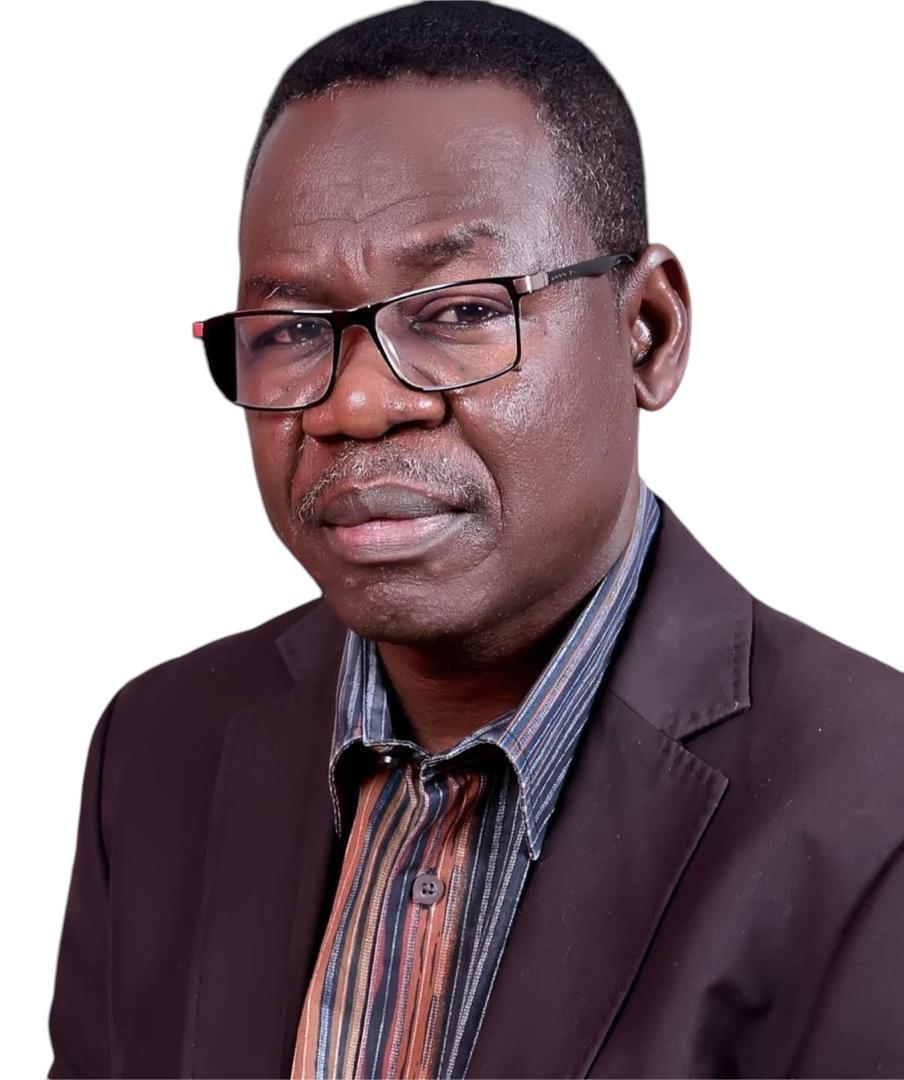
Ambassador Nader Fath Al-Aleem, former head of the African Union Office in Cairo, says Sudan is a pivotal country in Africa and East Africa, as well as one of the founding members of IGAD. This makes its return significant for an organisation that needs Sudan’s experience and regional standing.
Speaking to Al-Karama, Ambassador Nader noted that the reopening of the IGAD office in Khartoum and the appointment of a Sudanese official to head it were positive steps towards Sudan’s return. He stressed that Sudan’s regional importance makes its presence within African and regional institutions significant for both IGAD and the continent as a whole.
A New Chapter
Sudan announced in January 2024 that it was freezing its membership in IGAD, citing what it described as violations by the organisation, including placing the Sudanese crisis on its agenda without consultation with the Sudanese government.
The decision came amid disagreements over IGAD’s handling of the Sudanese crisis. Later, however, new steps towards restoring relations emerged, culminating in Sudan’s participation in recent IGAD meetings.
The development opens the door to rebuilding the relationship on clearer foundations.
Ambassador Nader Fath Al-Aleem believes the return could provide an opportunity to redefine the regional role towards Sudan after IGAD’s political role declined during the war. He said Khartoum’s return conveyed a clear message that the political process is fundamentally a Sudanese affair, while the role of the region should be supportive and facilitative rather than directly involved in negotiations or imposing tutelage.
A Sudanese Solution
During his participation in an IGAD foreign ministers’ meeting, Undersecretary of the Ministry of Foreign Affairs Ambassador Muawiya Othman Khalid called on the organisation to support Sudanese-Sudanese dialogue, stressing that the dialogue aims to find solutions to all outstanding issues without external interference or dictates.
This position is consistent with that of IGAD Executive Secretary Workneh Gebeyehu, who told the UN Security Council that Sudan’s future belongs to its people alone and called for an inclusive political process led by Sudanese themselves, in a manner that safeguards Sudan’s sovereignty, unity and territorial integrity.
These positions carry particular significance at a time when Khartoum is returning to the organisation. For Sudan, the priority appears to be moving away from initiatives formulated outside its borders towards a process in which regional and international initiatives support a Sudanese-led process rather than substitute for it.
Coordination, Not Tutelage
Sudan’s return to IGAD comes as the organisation participates in the five-party mechanism comprising the African Union, the United Nations, the European Union and the League of Arab States, which has been holding consultations with Sudanese political forces in preparation for launching a political process.
Khartoum recently hosted members of the mechanism in an effort to connect international efforts with Sudanese initiatives, alongside calls for concrete steps to end the war.
Against this backdrop, observers believe Sudan’s return to IGAD carries additional significance. It gives Khartoum a greater presence in regional discussions and provides it with more space to articulate its vision regarding the role regional and international organisations should play—and the limits of that role—in any future political process.
A Test of Neutrality
Observers generally agree that Sudan’s return is linked to a broader test of IGAD’s ability to address the Sudanese crisis in a manner that safeguards the country’s sovereignty, unity and territorial integrity, while preventing the regional platform from becoming an arena for confrontation between the parties to the conflict or the forces supporting them.
Ambassador Nader Fath Al-Aleem links the success of the regional role to respecting Sudan within regional organisations, supporting state institutions and upholding the choices of the Sudanese people.
He argues that sustainable peace in Sudan will not affect Sudan alone, but will also have repercussions across its African and regional neighbourhood.
Peace and Humanitarian Assistance
Meanwhile, IGAD faces a number of pressing issues in the next phase, foremost among them ending the war, launching an inclusive Sudanese-led political process and ensuring unhindered humanitarian access.
Undersecretary of the Ministry of Foreign Affairs Ambassador Muawiya Othman Khalid has reaffirmed the government’s commitment to opening crossings to facilitate the delivery of humanitarian assistance.
IGAD Executive Secretary Workneh Gebeyehu has likewise called for unhindered humanitarian access, stressing that the war has continued for too long and that the African organisation is working with its partners to promote peace, stability and recovery in Sudan.
The real challenge for IGAD, therefore, lies in transforming Sudan’s return into a practical regional partnership that contributes to ending the war, supports Sudanese dialogue and assists recovery, while maintaining a clear respect for Sudan’s sovereignty and the right of its people to determine their country’s future.
A Significant Conclusion
Ultimately, Khartoum’s return to the IGAD fold carries a message underscoring Sudan’s need for a regional environment that helps it achieve peace, while at the same time highlighting the region’s need for Sudan as a sovereign and active state with functioning institutions.
The success of this return will face a real test in the coming period: whether IGAD can translate its stated commitment to sovereignty and an inclusive Sudanese-led solution into practical positions and initiatives, and whether Sudan can make effective use of its restored membership in advancing peace, stability and regional cooperation.
Post your comments
Photo of the Week

Cairo – (Sudanow) Taqa Al-Noor Mohamed Al-Noor, who topped Sudan's 2026 Secondary School Certificate examinations with a score of 97.7%, did not achieve this result on an easy, trouble-free path. Her journey was shaped by hard work, perseverance, and determination, amid educational and social circumstances that presented their own challenges. What makes her experience par...
More-

20 September, 2026
Stories from the Heart of the Battlefield Zainab: When Staying Becomes an Act of Courage
The Courageous Zainab: A Woman Who Stayed When Everyone Left — and Returned to Bring Life Back to Wad Nubawi From a home that opened its doors to displaced families, and a garden that flourished amid fear, to the homes of those who were away and the power stations she helped restore — the story of a Sudanese woman who shows how ordinary people can perform extraordinary acts during wartime. Khartoum – (Sudanow...

Contact Us

Address: Sudan News Agency (SUNA) Building, Jamhoria Street, Khartoum - Sudan
Mobile:+249 909220011 / +249 912307547