


Carrots: Nutritional and Therapeutic Benefits for Human and Animal Health
27 September, 2026
Khartoum (Sudanow) — A popular saying in traditional communities goes: “When the carrot is absent, the cucumber walks proudly,” a humorous expression reflecting the carrot’s perceived importance in strengthening eyesight, combating the effects of ageing, reducing wrinkles, and supporting energy and vitality among both young and older people.
To learn more about this plant and its nutritional and therapeutic significance, Sudanow spoke to Dr. Mohamed Osman Maysara, Consultant in Community Medicine and Public Health, who began by explaining that the carrot is a root vegetable cultivated primarily for its roots, although its leaves and stems also contain beneficial compounds, including chlorophyll, polyphenols, vitamins and minerals. These components, he said, contribute to supporting immunity and overall health.

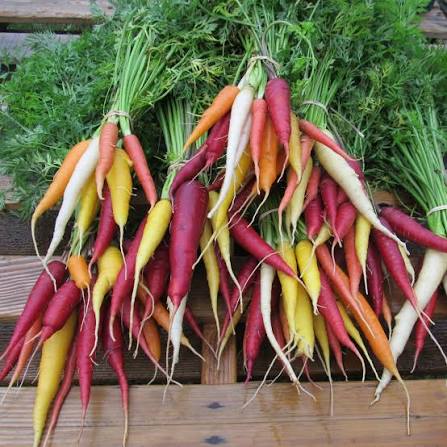
Carrots can be successfully cultivated when suitable conditions are available, including light, well-drained sandy-loam soil, regular irrigation and an appropriate climate. There are many varieties, shapes and colours, ranging from the widely known orange to yellow, red, white and purple. Carrots generally require between 60 and 90 days from cultivation to harvest.
In Sudan, carrots are grown in several areas, including Gezira, Khartoum, White Nile, Northern and River Nile states.
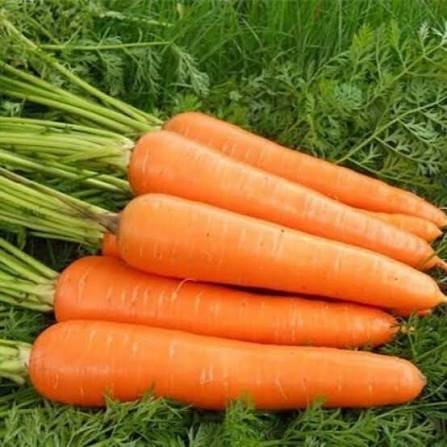
Dr. Maysara, an expert in traditional and complementary medicine, added that the carrot has been valued for thousands of years. He noted that carrots have reportedly been found in tombs dating to the Kushite civilisation, where their roots were placed among food vessels and funerary offerings, based on beliefs associated with assisting the deceased on their journey to the afterlife.
He also referred to ancient medical papyri that mentioned carrots in connection with eye problems, detoxification, intestinal worms, diuresis and topical preparations for treating skin conditions and wounds.
In the Islamic medical tradition, carrots occupied a notable place in agricultural and medical books as well as Arabic dictionaries, where they were described as an important food with preventive, rehabilitative and therapeutic applications. Al-Razi reportedly regarded carrots as among the plants useful for eliminating toxins and promoting urination, while Ibn Sina attributed to them properties that could help relieve pain and treat ulcers of the digestive system. Al-Antaki also mentioned them in connection with respiratory and chest ailments.
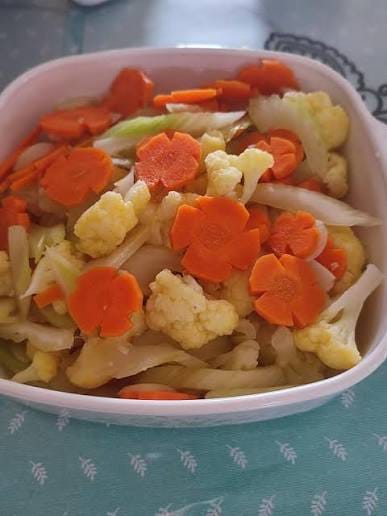
Carrot leaves can be used in soups and salads and are edible and nutritious, containing potassium, calcium, vitamin C and vitamin K. The roots can be eaten fresh or cooked, or consumed as juice, vegetables or dried and ground powder.
According to Dr. Maysara, a member of the committee that helped establish schools of traditional and complementary medicine, carrots have an important role in nutritional therapy and traditional medicine, particularly as an aid in supporting the rehabilitation and recovery of the digestive system and in addressing certain skin problems.
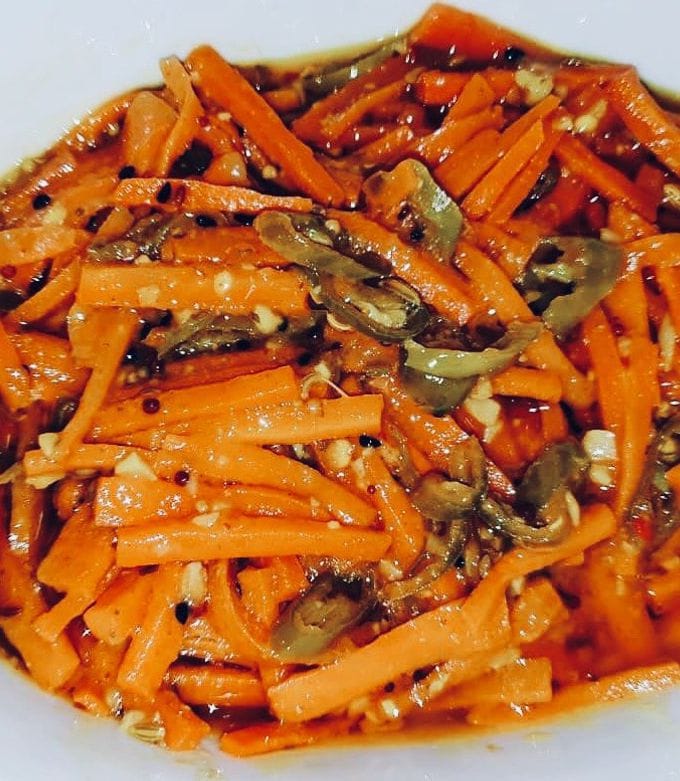
After being thoroughly washed, carrot peels can also be eaten as a light, crunchy snack.
Among the reported uses of carrots are supporting eye health, digestive health and oral health, as well as supporting skin-cell renewal and hair health. Their nutritional value is attributed to a range of compounds and minerals, including magnesium, zinc, selenium, phosphorus, iron and folic acid, as well as carotenoids, vitamin A and dietary fibre.
For women, carrots are described as supporting hormonal balance and helping regulate the menstrual cycle and relieve some menstrual symptoms. They have also been associated with reducing certain menopausal symptoms and supporting maternal and fetal health during pregnancy. However, Dr. Maysara advises pregnant and breastfeeding women to avoid carrot oil as much as possible.
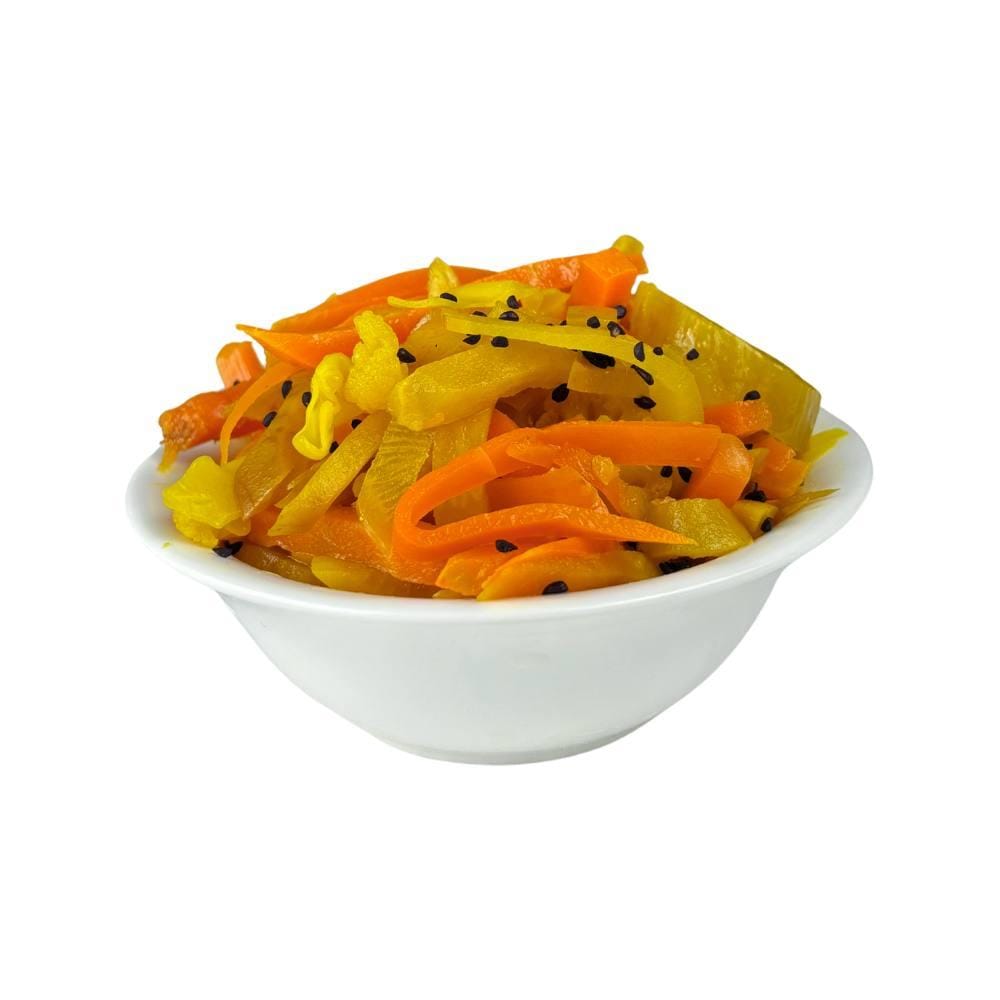
For children, the nutritional elements found in carrots can support physical growth and tissue development, eye health, digestion and immunity. Potential concerns include choking, allergic reactions and digestive disturbances, particularly when carrots are not appropriately prepared or introduced.
For older adults, carrots can be an important component of a balanced diet. Their nutrients and antioxidants may support eye health and help reduce the risk of age-related eye problems, while their fibre content may contribute to maintaining healthy cholesterol levels. They may also support cardiovascular health and immunity.
Dr. Maysara further noted that carrots may contribute to maintaining cognitive health and potentially reducing the risk of premature cognitive decline. He also referred to plant compounds in carrots in connection with prostate health.
For older people experiencing dental or chewing difficulties, carrots may be consumed cooked, grated, as juice or in soup, making them easier to eat.
For young people, Dr. Maysara described carrots as a valuable food for supporting general health. They are relatively low in calories and have a low glycaemic index, making them a useful component of a balanced diet and an appropriate food for supporting physical activity. He also associated their nutritional content with reproductive health, fertility, immunity and skin health, including protection against oxidative damage and premature signs of ageing.
He recommended moderation in daily consumption. Excessive intake may cause carotenemia, a harmless yellow-orange discoloration of the skin resulting from high levels of carotenoids, as well as digestive problems or allergic reactions in susceptible individuals.
Carrots in Traditional Veterinary Medicine
In traditional veterinary medicine, carrots have long been used as an important food and supportive remedy for livestock, domestic animals and horses. They have been used to support animal health, growth and fertility and to address digestive problems, intestinal worms and immunity, as well as to support eyesight and wound care.
Carrots are also traditionally used as part of poultry feed and have been associated with supporting egg production.
Dr. Maysara attributed these traditional practices to the carrot's content of beta-carotene, soluble fibre and volatile oils.
Carrot cultivation may also provide environmental benefits. The crop can contribute to soil fertility, moisture retention, soil stabilisation and erosion control, while helping recycle nutrients within the soil.
Carrots in Food and Pharmaceutical Industries
Regarding the uses and components of carrots, Dr. Maysara, a member of the Permanent Committee for Medicinal and Aromatic Plants, said carrots have considerable economic potential in food-processing industries at both household and commercial levels.
They can be used in traditional food products, including baked goods, cakes, biscuits, pickles, jams, juices, concentrates, canned products and dried powders.
Carrot-derived compounds are also used in modern pharmaceutical and preventive, therapeutic and rehabilitative products. The plant has applications in cosmetics and skincare preparations.
Carrot seed oil, after extraction, is used in some cosmetic applications aimed at reducing the appearance of wrinkles and supporting dry-skin care because of its content of vitamins and antioxidant compounds.
Carrots also contribute flavour, moisture and nutritional value to baked goods. Their natural sweetness may help reduce the need for added sugar, while their fibre and naturally occurring vitamins add nutritional value. Their flavour also combines well with a variety of spices.
Carrots can also be incorporated into animal feed because of their nutritional value and relative ease of digestion, provided they are properly cleaned and are free from toxins, mould and fungal contamination. They should also be introduced gradually into animal diets as appropriate.
A Place in Popular Culture
Socially and culturally, carrots feature in a number of rural sayings and humorous expressions highlighting their perceived importance. One such saying is: “When the carrot is absent, the cucumber walks proudly.”
The carrot has also appeared in folk stories and legends associated with exceptional eyesight.
Given its nutritional, agricultural and economic potential, Dr. Maysara called on relevant authorities to give greater attention to carrot cultivation and to expand production through modern agricultural technologies.
He noted that one feddan can produce approximately 20 to 30 tonnes, and that production could reach 40 tonnes under favourable conditions and with improved agricultural practices.
Expanding carrot production, he said, could contribute to food security, support the recovery and stabilisation of rural communities, increase the income of productive households through traditional food-processing activities, and encourage the development of locally produced natural products while reducing reliance on industrial concentrates containing preservatives.
It could also contribute to improving the productivity of livestock, poultry and domestic animals in rural areas, while helping protect soils from erosion and desertification.
Conclusion
In conclusion, Dr. Mohamed Osman Maysara, Consultant in Community Medicine and Public Health, recommends expanding carrot cultivation in Sudan in view of its nutritional and potential health-related benefits, particularly because it is relatively inexpensive to grow.
He also encourages households to cultivate carrots on a small scale for nutritional benefit, youth employment and family income generation, while supporting small-scale food-processing industries that could contribute to both household livelihoods and the national economy.
Post your comments
Photo of the Week

Tunis – Sudanow Sudanese documentary film “Five Witnesses,” directed by Seif El-Din Hassan, has won the first prize in the General Documentaries category at the 26th edition of the Arab Radio and Television Festival, which concluded in Tunis on September 24, 2026. The film topped a field of Arab productions competing in the category. Produced by Nabta for Arti...
More-

20 September, 2026
Stories from the Heart of the Battlefield Zainab: When Staying Becomes an Act of Courage
The Courageous Zainab: A Woman Who Stayed When Everyone Left — and Returned to Bring Life Back to Wad Nubawi From a home that opened its doors to displaced families, and a garden that flourished amid fear, to the homes of those who were away and the power stations she helped restore — the story of a Sudanese woman who shows how ordinary people can perform extraordinary acts during wartime. Khartoum – (Sudanow...

Contact Us

Address: Sudan News Agency (SUNA) Building, Jamhoria Street, Khartoum - Sudan
Mobile:+249 909220011 / +249 912307547