


The Psychology of Youth in the Sudanese Context: Challenges and Support Mechanisms
27 September, 2026
Khartoum (Sudanow) — As part of his ongoing series of psychological and social studies, Prof. Muath Sharafi, Consultant in Child and Adolescent Mental Health and Expert in Crisis and Disaster Management, presented a paper on The Psychology of Youth in the Sudanese Context.
Abstract
This paper examines the psychological makeup of Sudanese youth amid ongoing social and economic transformations and prolonged crises. It explores identity challenges, the characteristics of neurological development during youth, and basic psychological needs, linking them to manifestations such as dependency, addiction, and anxiety.
The paper proposes an integrated intervention model based on empowerment, dialogue, and emotional intelligence.
Keywords: Youth psychology, identity, dependency, psychological resilience, Sudan.
I. Introduction and Problem Statement
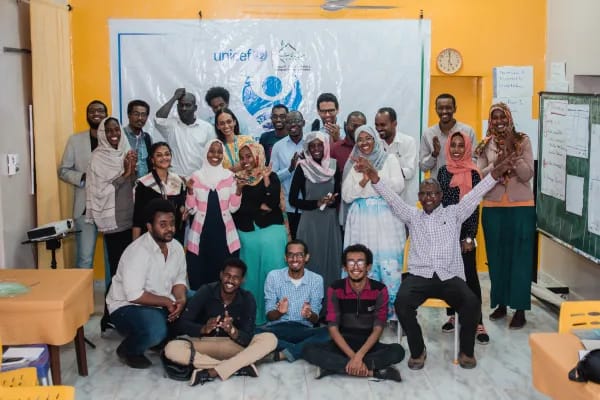
Youth, defined here as the age group of 15–25, represents a critical transitional stage between childhood dependence and adult independence. In the Sudanese context, this stage is further complicated by the interplay of traditional collective upbringing, economic pressures, the effects of conflict and displacement, and the expanding digital space.
The central question of the paper is: How can the behavior of Sudanese youth be understood not as “rebellion,” but as an expression of unmet developmental needs?
II. Theoretical Foundations of Youth Psychology
1. Erikson’s Identity Crisis: Identity vs. Role Confusion
The central question at this stage is: “Who am I?”
Young people face three competing pressures:
- Family expectations
- Social norms
- The idealized self-image presented on social media
Failure to resolve this developmental crisis may lead to three problematic pathways:
- Aggressive rebellion
- Passive conformity and loss of self
- Dependency as an avoidance mechanism
2. Neurological Development: Why Do Young People Act Impulsively?
Neuroscience has shown that the prefrontal cortex — which plays a key role in decision-making, planning, and impulse control — continues to mature into the mid-twenties.
At the same time, the limbic system, which is associated with reward-seeking and sensation-seeking behavior, is highly active during adolescence and young adulthood.
This developmental pattern helps explain young people’s greater tendency toward risk-taking and their susceptibility to peer influence.
III. Five Psychological Needs of Sudanese Youth
1. Recognition and Being Heard
When this need is unmet, it may manifest as isolation, withdrawal, or shouting and disruptive behavior as a way of attracting attention.
2. Realistic Role Models
The absence of credible role models may lead to a loss of trust and encourage young people to seek idealized or unrealistic role models on social media.
3. Gradual Independence
When young people are not given opportunities to assume responsibility, dependency may develop, along with difficulties in taking responsibility in professional and marital life.
4. Safe and Mature Love
When this need is unmet, it may manifest in rushed romantic relationships, unhealthy attachment, and depression following separation.
5. Meaning and Purpose
A lack of meaning and direction may contribute to existential emptiness, addiction, and chronic procrastination.
IV. Negative Factors in Sudanese Upbringing
1. Authoritarian Patriarchal Parenting
Suppressing a young person’s opinions can undermine their ability to make independent decisions.
2. Undermining the Role Model
A gap between what adults say and what they actually do can weaken young people’s trust in authority and guidance.
3. Social Comparison
Repeated comparisons such as “Look at your cousin” can damage self-esteem and generate resentment.
4. Lack of Emotional Intelligence Education
Children are often not taught how to identify, express, and regulate emotions, or how to manage anger and anxiety.
V. Proposed Intervention Model: Dr. Muath Sharafi’s “3×15” Approach
A. At the Family and Educator Level
- Dialogue instead of commands: Replace “You must do this” with “What do you think if we try this?”
- Empowerment through responsibility: Assign young people gradually increasing financial and social responsibilities.
- Reinforce effort, not only outcomes: Recognize the process of trying and learning, rather than focusing exclusively on results.
B. At the Individual Level: The “3×15” Program
- 15 minutes of daily self-reflection: Spend 15 minutes without a phone, reflecting on the question: What do I really want?
- 15 minutes of skills development: Learn a practical skill such as a language, craft, or programming.
- 15 minutes of physical activity: Exercise to release energy and support a healthier mood.
C. At the Community Level
The paper proposes transforming traditional Sudanese values of nafeer and faza’a — collective mobilization and mutual assistance in times of need — into youth mental-health support platforms, emergency support rooms, and collective recovery initiatives, drawing on experiences in displacement and shelter centers.
VI. Conclusion and Recommendations
Sudanese youth possess a high degree of psychological resilience, rooted in the social environment, cultural values, Sufi traditions, and community solidarity. However, this resilience needs to be redirected from dependence on the collective system toward conscious self-reliance within the community.
A psychologically balanced young person is not someone who is free of problems, but someone who is capable of managing challenges with emotional intelligence.
Recommendations
1. Introduce emotional intelligence programs into schools.
2. Train parents in parenting approaches that support gradual independence.
3. Establish free youth counseling centers at universities and displacement and shelter centers.
Post your comments
Photo of the Week

Tunis – Sudanow Sudanese documentary film “Five Witnesses,” directed by Seif El-Din Hassan, has won the first prize in the General Documentaries category at the 26th edition of the Arab Radio and Television Festival, which concluded in Tunis on September 24, 2026. The film topped a field of Arab productions competing in the category. Produced by Nabta for Arti...
More-

20 September, 2026
Stories from the Heart of the Battlefield Zainab: When Staying Becomes an Act of Courage
The Courageous Zainab: A Woman Who Stayed When Everyone Left — and Returned to Bring Life Back to Wad Nubawi From a home that opened its doors to displaced families, and a garden that flourished amid fear, to the homes of those who were away and the power stations she helped restore — the story of a Sudanese woman who shows how ordinary people can perform extraordinary acts during wartime. Khartoum – (Sudanow...

Contact Us

Address: Sudan News Agency (SUNA) Building, Jamhoria Street, Khartoum - Sudan
Mobile:+249 909220011 / +249 912307547