


Abu Hamad… From the Gold Capital to a Major Industrial City
27 September, 2026
Khartoum (Sudanow) — In the third installment of his historical and tourism-focused journey through Abu Hamad, writer and researcher Dr. Yasser Ahmed Ibrahim continues his exploration of the city’s potential, envisioning a future in which its natural wealth is transformed into productive industries and sustainable development.
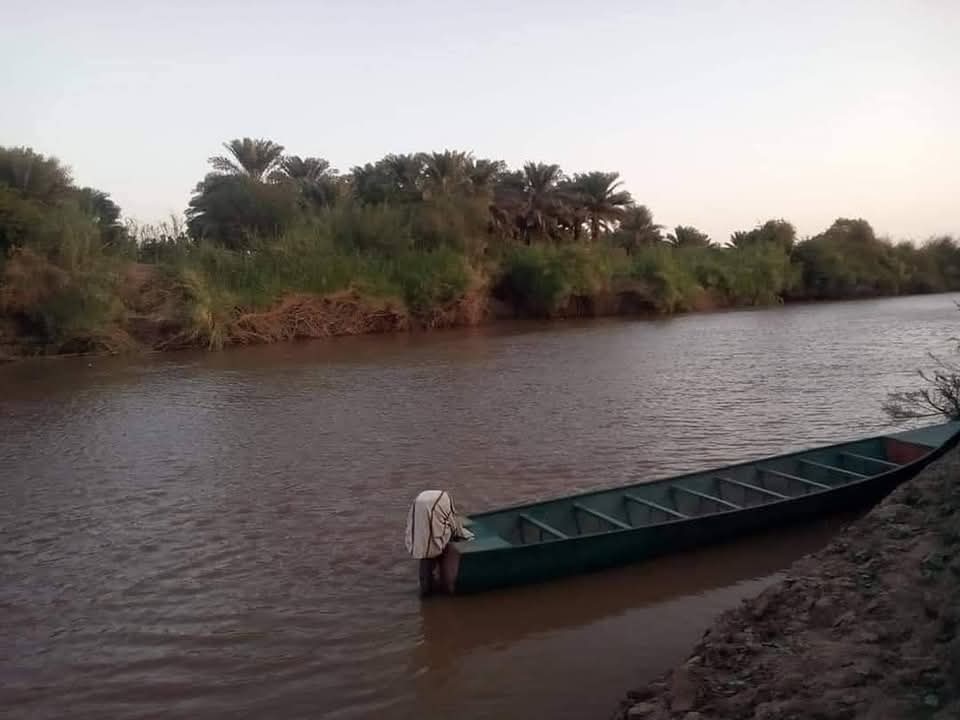
It is not difficult to discover Abu Hamad’s wealth. Gold lies beneath its soil, the Nile flows alongside it, and mineral resources surround it. Its strategic location also places it along one of the important routes capable of linking northern Sudan with the east and other parts of the country.
The real challenge, however, lies not in possessing these resources, but in transforming them into production, industry, employment opportunities, and sustainable development.
This is where a new chapter begins: Abu Hamad, from the capital of gold to a major industrial city.
Gold extracted from mines should not end its journey as a raw commodity. Why not establish an integrated gold industry in Abu Hamad, extending from processing and refining to gold jewellery and related industries? And why not make the city a centre for training young people in mining-related trades and industries?
The same principle applies to marble, iron, mica, and other mineral resources. Instead of extracting these materials and transporting them elsewhere, processing and manufacturing facilities could be established near the production areas, turning natural resources into genuine added value for the Sudanese economy.
The Industrial Zone… The New Heart of Abu Hamad
A modern, well-planned industrial zone could be developed around Abu Hamad, incorporating mining industries, food processing, building-materials manufacturing, marble and iron industries, as well as maintenance workshops, engineering services, cold-storage facilities, and packaging centres.
With expanding agricultural activity in River Nile State, food-processing industries could also be established based on locally produced meat, dates, vegetables, fruits, and grains. This would open new markets for Sudanese products, reduce agricultural losses, and increase farmers’ incomes.
In this way, Abu Hamad’s economy could rest on three interconnected pillars: mining, agriculture, and trade.
The Dry Port… A New Gateway to Trade
One of the projects capable of transforming the city would be the establishment of a dry port and logistics centre connected to the road and railway networks.
A dry port could provide storage, loading and unloading, transshipment, and customs-clearance services, making Abu Hamad an important hub for the movement of goods between production areas, domestic markets, and seaports.
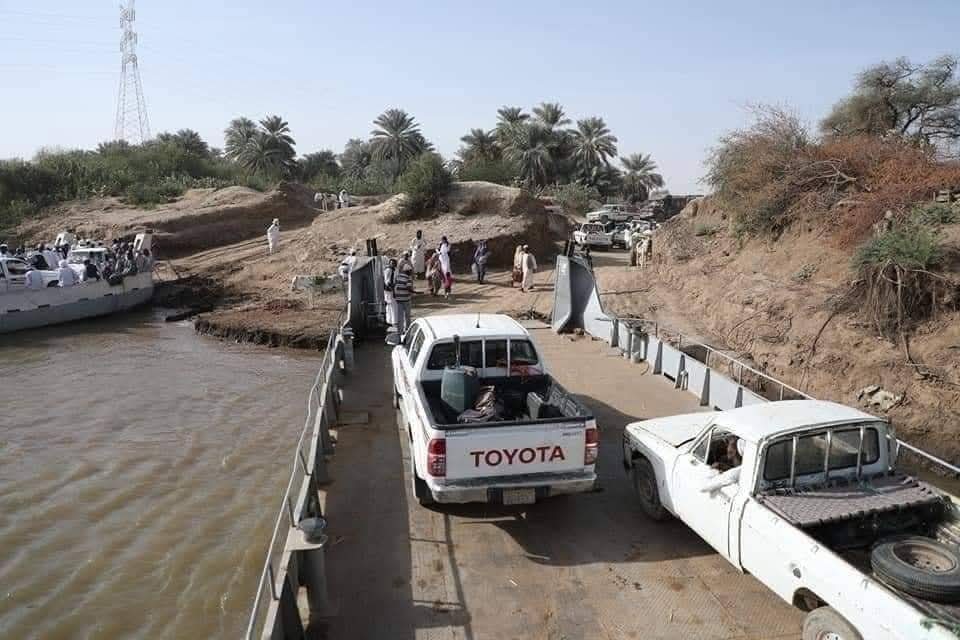
With the development of railway lines and national highways, Abu Hamad could become a strategic link between Egypt to the north, Port Sudan to the east, and central, southern, and western Sudan.
At that point, Abu Hamad would no longer be merely a city situated along a bend of the Nile; it could evolve into a regional logistics and commercial centre.
Industry Needs an Educated Workforce
A major industrial city cannot be built with factories alone.
Industrial development requires skilled people. Investment in technical education and vocational training should therefore be an essential component of Abu Hamad’s development project.
Mining institutes, industrial schools, and vocational centres could provide training in electricity, mechanics, welding, machinery maintenance, and modern mining technologies, alongside programmes in management, transportation, and logistics.
This would enable young people in the region to move from seeking employment opportunities to creating them.
Abu Hamad… A City That Extracts and Manufactures Wealth
The future envisioned for Abu Hamad is not a city crowded only with mining machinery, nor one dependent solely on gold revenues.
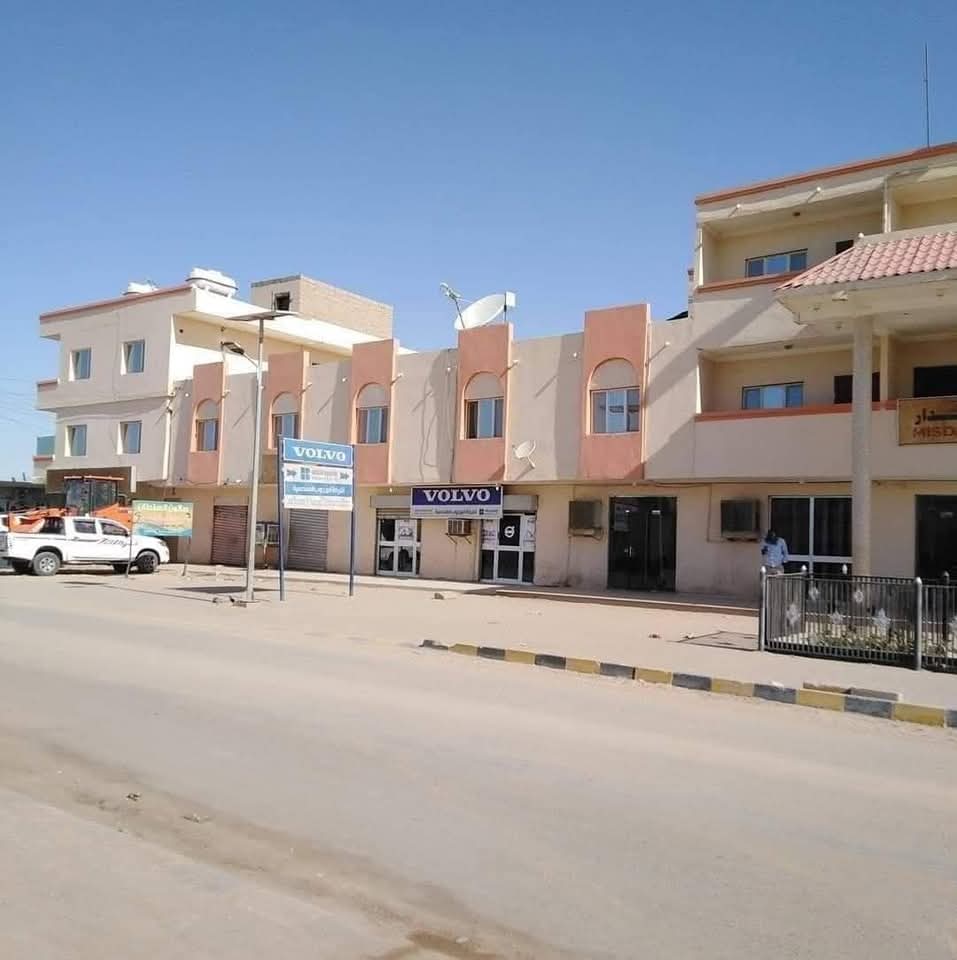
It could become a modern city with an industrial zone, a commercial centre, a dry port, an integrated network of roads and railways, advanced educational and healthcare institutions, banking and logistics services, and well-planned residential areas.
A city that combines the authenticity of its history with the demands of the modern age.
Gold can be the beginning of development, but it should not be its end.
The real wealth lies in turning gold into industry, industry into jobs, jobs into a dignified life, and development into a future for generations to come.
This is the equation that could make Abu Hamad a model for Sudan’s new cities in the post-war era: a city that invests in its resources, protects its environment, opens its doors to investment, and connects Sudan with its Arab and African surroundings.
Abu Hamad… the capital of gold today, with the potential to become a city of industry and trade tomorrow.
In the fourth installment, the journey moves from industry to another gateway to the future:
“Abu Hamad… A Gateway to Tourism and History: From Kushite Antiquities to Islands.”
For in Abu Hamad, gold is not the only treasure lying beneath the surface. There is also a buried history, archaeological sites waiting to be discovered, and a Nile that could become a lifeline for tourism and development.
Post your comments
Photo of the Week

Tunis – Sudanow Sudanese documentary film “Five Witnesses,” directed by Seif El-Din Hassan, has won the first prize in the General Documentaries category at the 26th edition of the Arab Radio and Television Festival, which concluded in Tunis on September 24, 2026. The film topped a field of Arab productions competing in the category. Produced by Nabta for Arti...
More-

20 September, 2026
Stories from the Heart of the Battlefield Zainab: When Staying Becomes an Act of Courage
The Courageous Zainab: A Woman Who Stayed When Everyone Left — and Returned to Bring Life Back to Wad Nubawi From a home that opened its doors to displaced families, and a garden that flourished amid fear, to the homes of those who were away and the power stations she helped restore — the story of a Sudanese woman who shows how ordinary people can perform extraordinary acts during wartime. Khartoum – (Sudanow...

Contact Us

Address: Sudan News Agency (SUNA) Building, Jamhoria Street, Khartoum - Sudan
Mobile:+249 909220011 / +249 912307547