


Jirtig: Carrying Sudan’s Cultural Memory into Exile
11 October, 2026
From Omdurman to Egypt and Sudanese communities around the world, Magboula Mahdi Sharif has transformed her passion for gemstones into a craft that preserves a wedding tradition across borders.
Her work offers a glimpse of how Sudanese heritage endures as people build their lives in new places.
Khartoum — Sudan Now
Magboula Mahdi Hussein Sharif’s journey with jirtig, one of Sudan’s most distinctive wedding traditions, began more than twenty years ago in Al-Abbasiya, Omdurman. Inspired by her mother’s love of gemstones, she initially pursued it as a hobby. Over time, that pleasure developed into a craft closely bound to preserving Sudanese wedding customs.
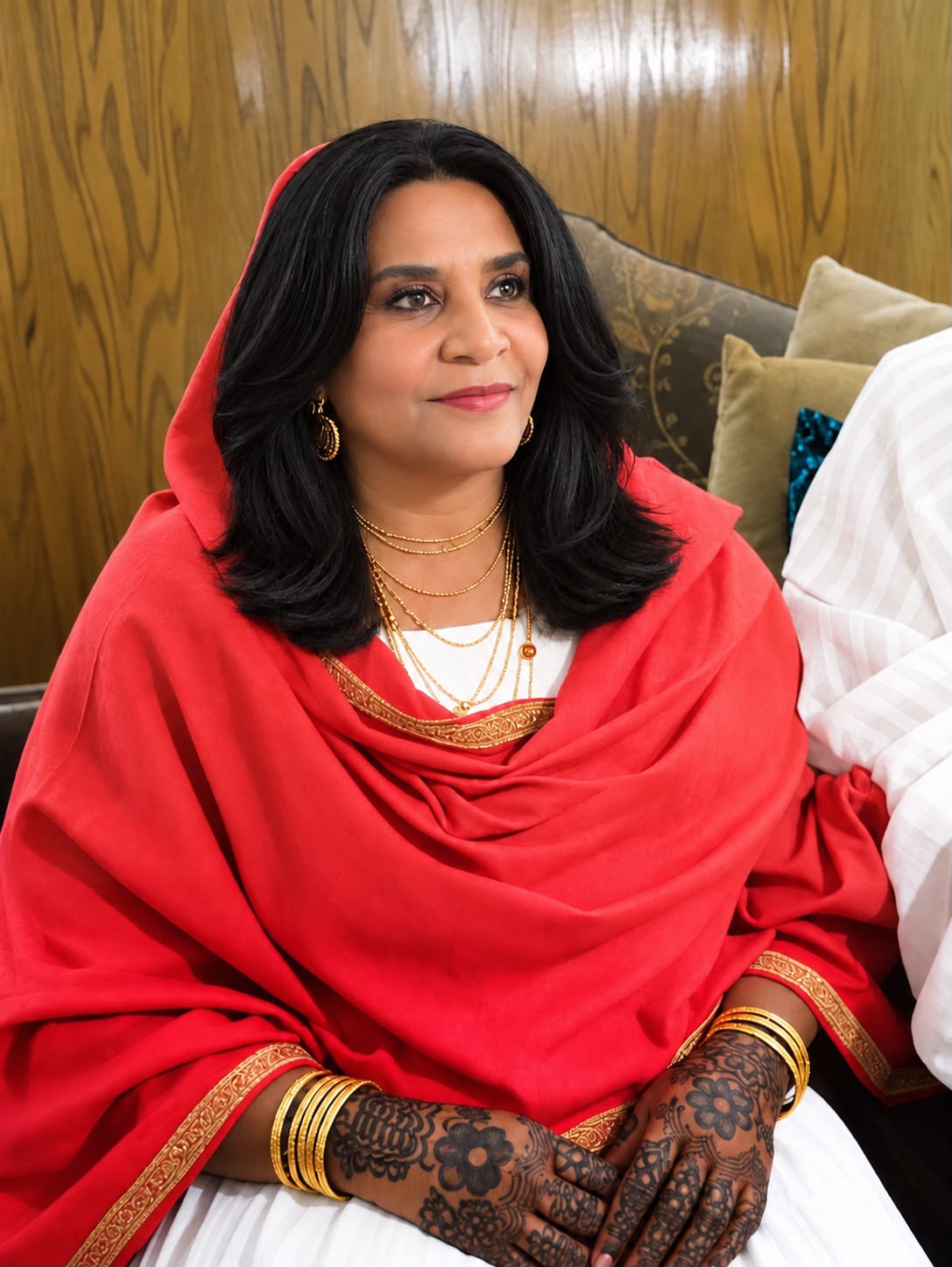
To explore her work, Sudan Now spoke with Dr Tayba Hassan Sharif, a writer and researcher specialising in Sudanese cultural heritage.
Dr Sharif explained that Magboula began by embellishing the silk used in jirtig with stones for relatives, neighbours and friends, without charge. She enjoyed selecting colours, arranging the stones and bringing each piece to its finished form. As visitors admired her work, requests began arriving from beyond her immediate circle. She started purchasing the materials herself and charging enough to cover both the supplies and her labour.
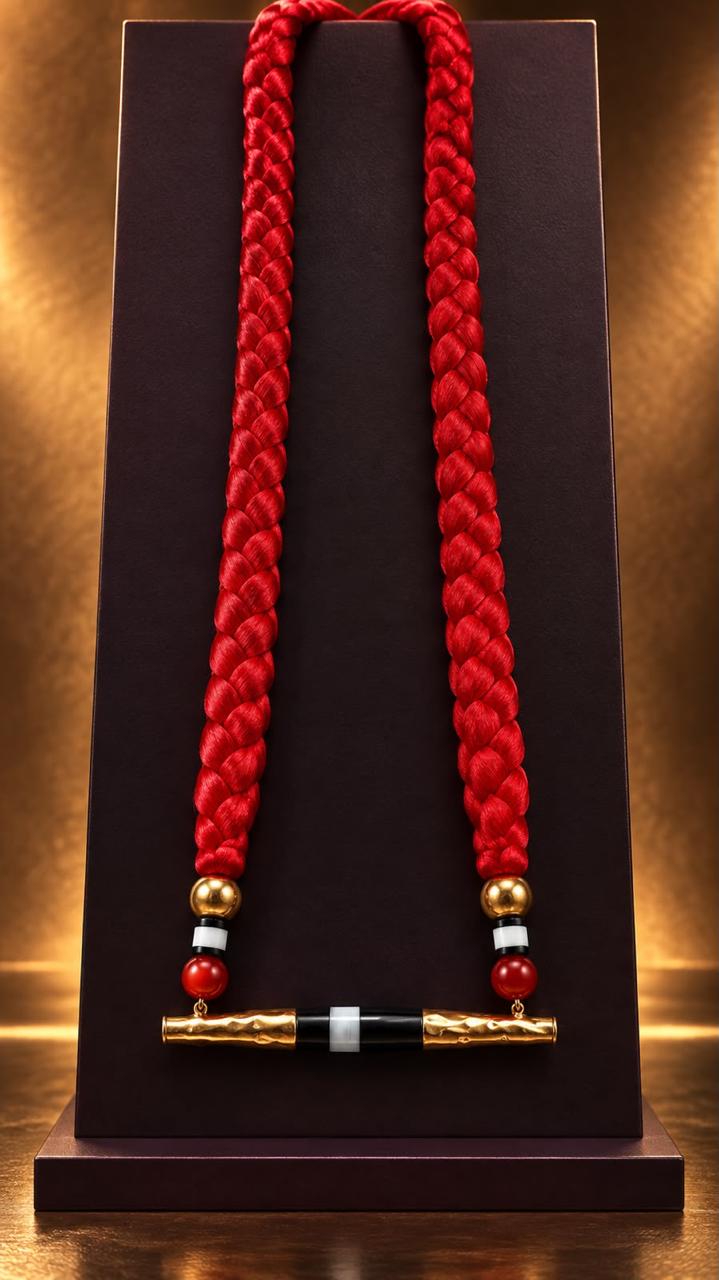
Her move to Egypt amid war and displacement, however, gave the craft a new significance.
Jirtig in a Time of Displacement
Many Sudanese left their country in haste, unable to bring the ceremonial accessories or stones needed for jirtig. Distance from home did not diminish their wish to celebrate important occasions according to their traditions.
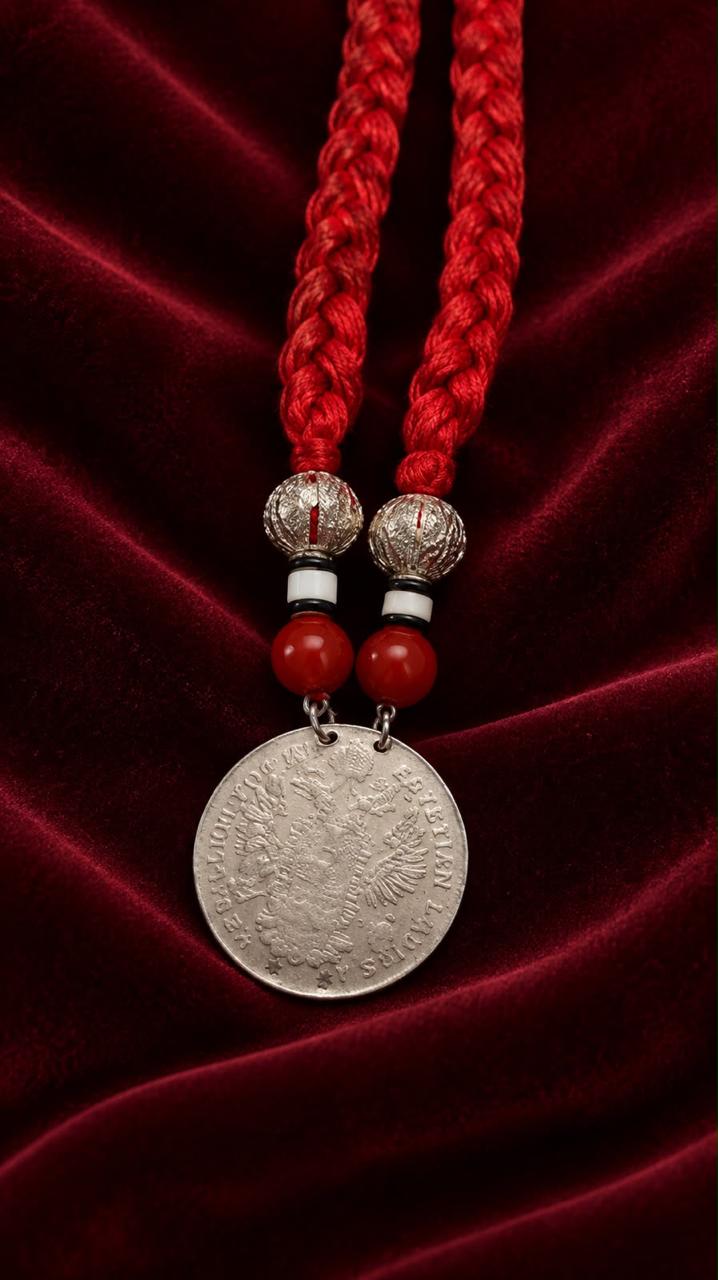
In Magboula, they found someone who could provide what they needed. Yet her role extended beyond making the pieces. She began explaining the ceremony’s different stages, what the bride and groom wear, and how the occasion is arranged, using photographs to illustrate particular customs.
Her experience suggests that this knowledge has become especially valuable outside Sudan. With families scattered across countries, the details of tradition are no longer always passed naturally from mothers and grandmothers to younger generations.
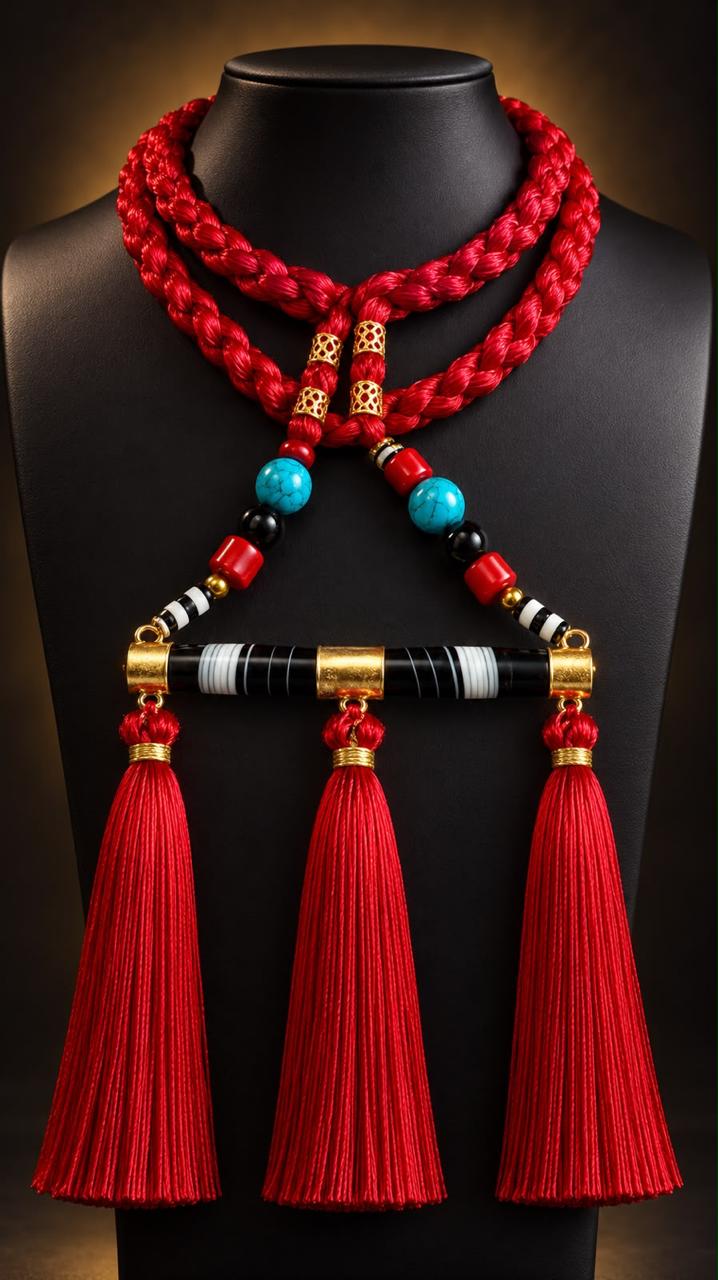
Her work has therefore grown from making adornments to sharing the knowledge that gives them meaning. For her, jirtig is a ceremony rich in social and cultural symbolism, inherited across generations.
Stones That Hold Memories
A love of gemstones first drew Magboula into the world of jirtig. As her interest deepened, she read more widely, became familiar with different varieties, and learned to select stones for their colour, quality and harmony with a design.
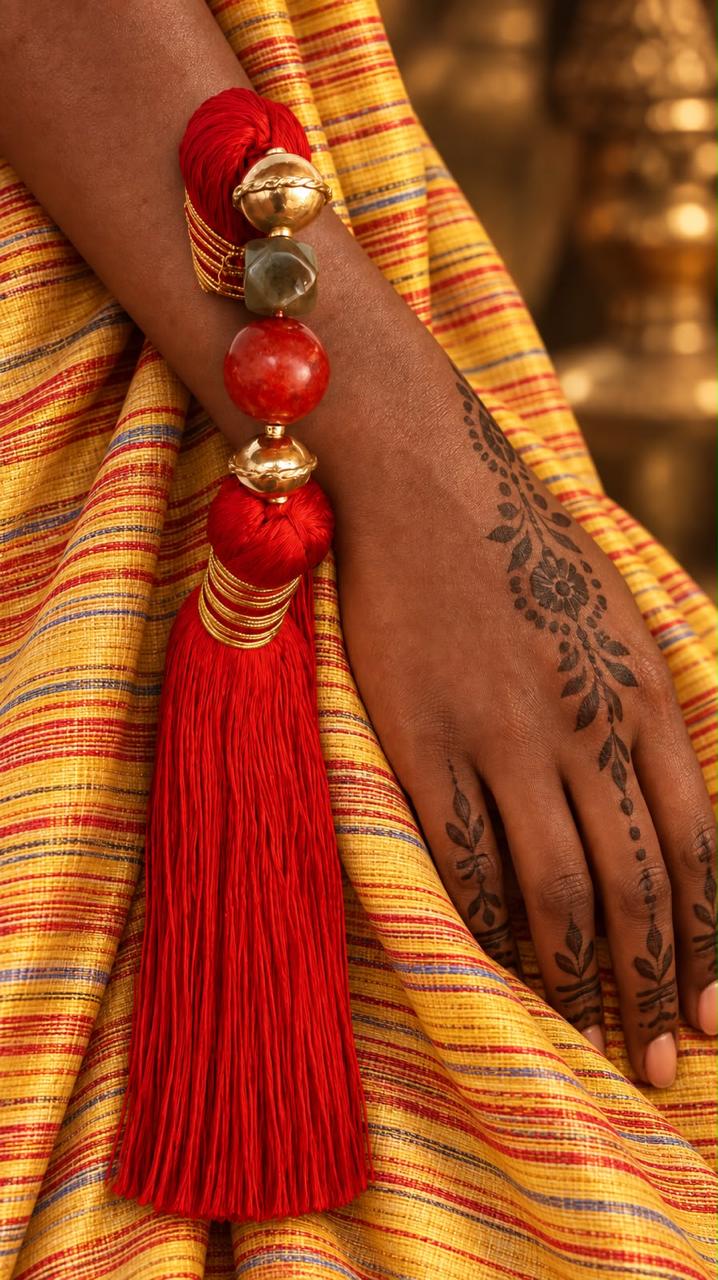
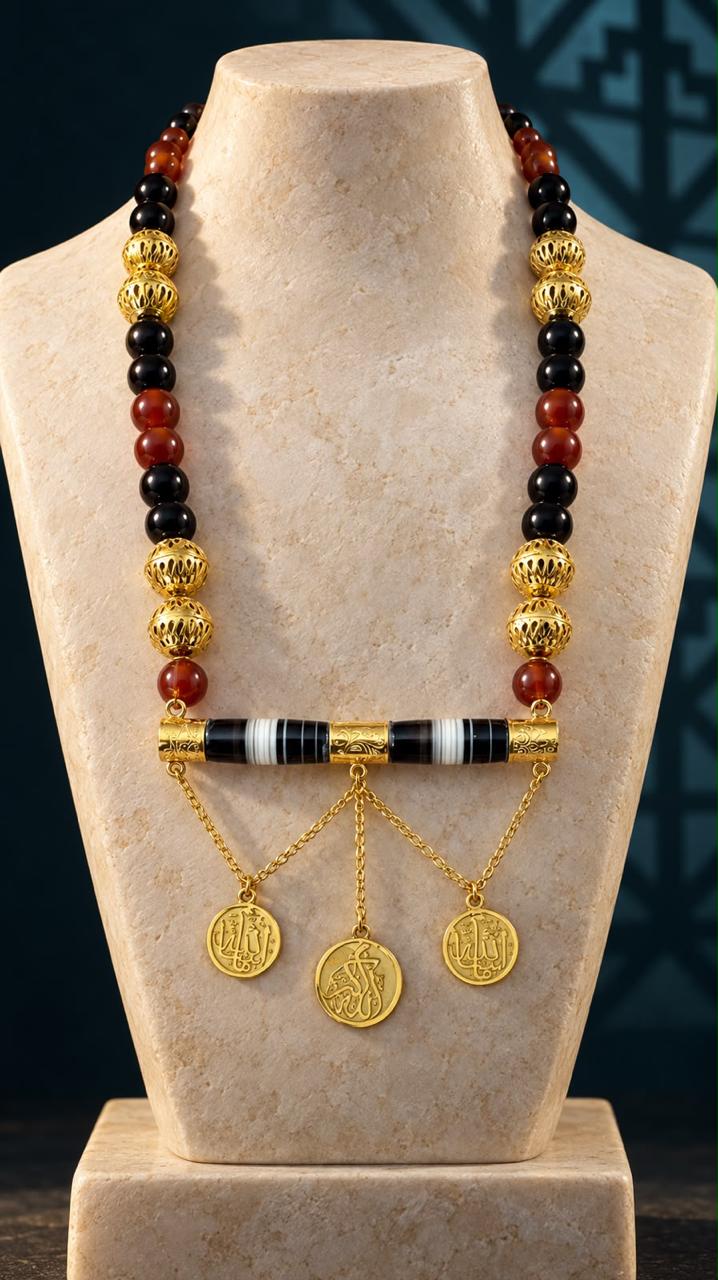
Her pieces incorporate red coral, turquoise and bloodstone, alongside yusr and black onyx. She places particular value on natural materials for the beauty and authenticity they bring to each piece.
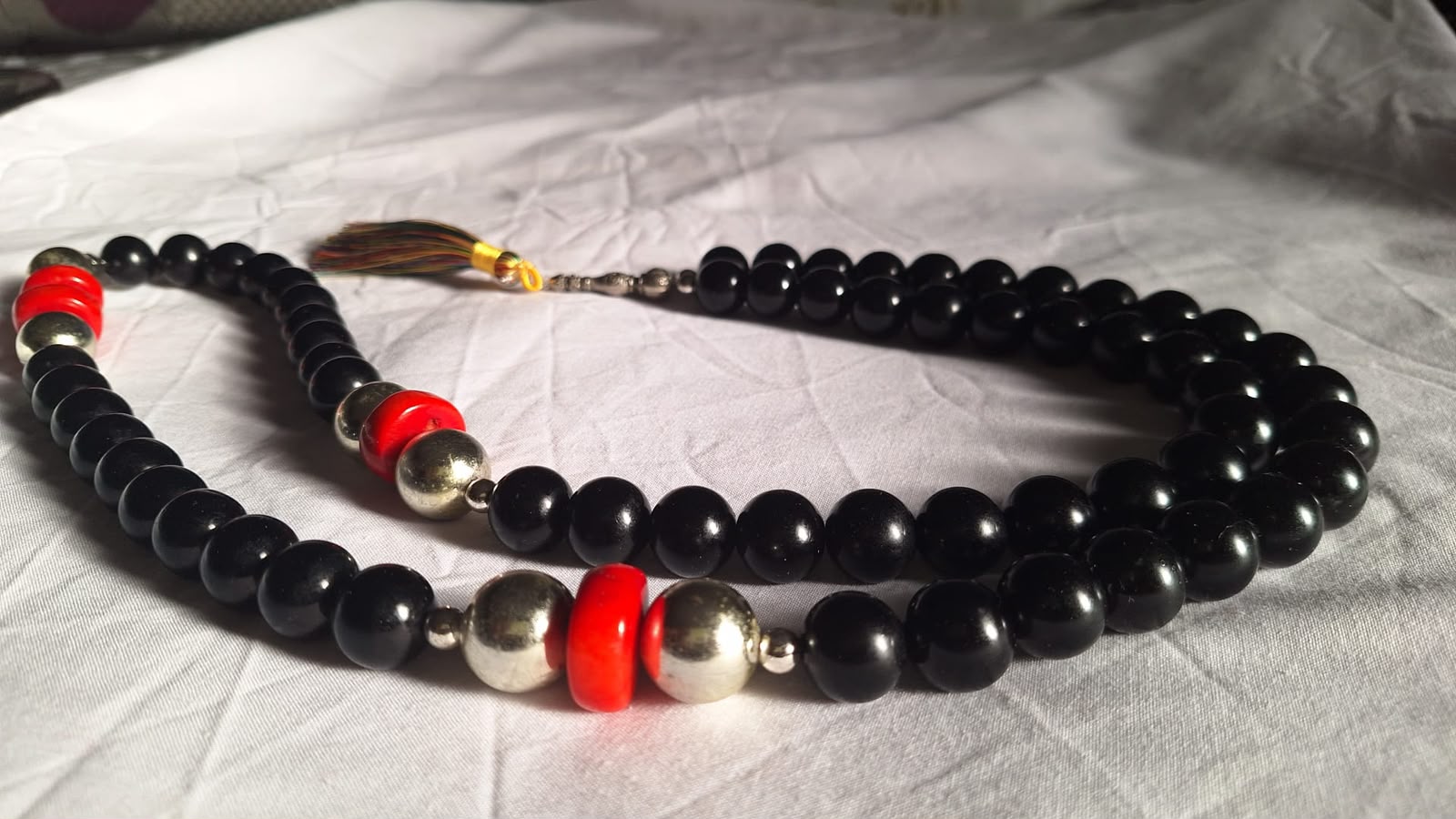
Red features prominently in jirtig designs, while turquoise provides a contrasting note. Combinations of coral with yusr or onyx lend some pieces a more sumptuous character, especially those made for the groom.
The ceremony’s symbolism extends beyond jewellery. Some of its accompanying elements carry meanings handed down through generations. As Magboula explains, the kashsha includes dates, sweets and grain—items associated in popular memory with health, joy, sustenance and abundance.
From Egypt to the World
Magboula’s work has reached far beyond Sudanese communities in Egypt. Her pieces have travelled to Sudanese families in Canada, the United States, Switzerland, England, Dubai and elsewhere, often after people saw them at the celebrations of relatives or friends and requested similar sets.
Jirtig takes on an additional cultural dimension when one partner is not Sudanese. The ceremony becomes an opportunity to introduce relatives and friends to a tradition they may know little about.
At these celebrations, colours, stones and songs invite curiosity. Guests ask about the ceremony and its different elements, and a family occasion becomes a welcoming introduction to Sudanese culture.
A Tradition Across Generations
For Magboula, the importance of jirtig lies as much in keeping its knowledge alive as in preserving the appearance of a traditional wedding.
Sudanese children and young people raised abroad may know little of the neighbourhoods and villages from which their families came. Through wedding ceremonies, clothing, songs and adornments, however, they can begin to connect with that inherited world.
Jirtig thus brings the memories of grandmothers into the lives of a generation that has not shared their experiences, but can discover something of them through participation.
A Homeland Carried in Memory
Amid war and displacement, Sudanese social traditions have acquired a significance that reaches beyond celebration. People who leave their homes cannot take their neighbourhoods, houses or the familiar rhythms of daily life with them. They can, however, carry their customs and memories, and recreate something of that life wherever they settle.
Seen in this light, jirtig offers Sudanese families a way to recover a sense of home in exile. When relatives gather around the bride and groom, the colours and stones appear, and the songs rise, the celebration recalls a world its participants have left behind.
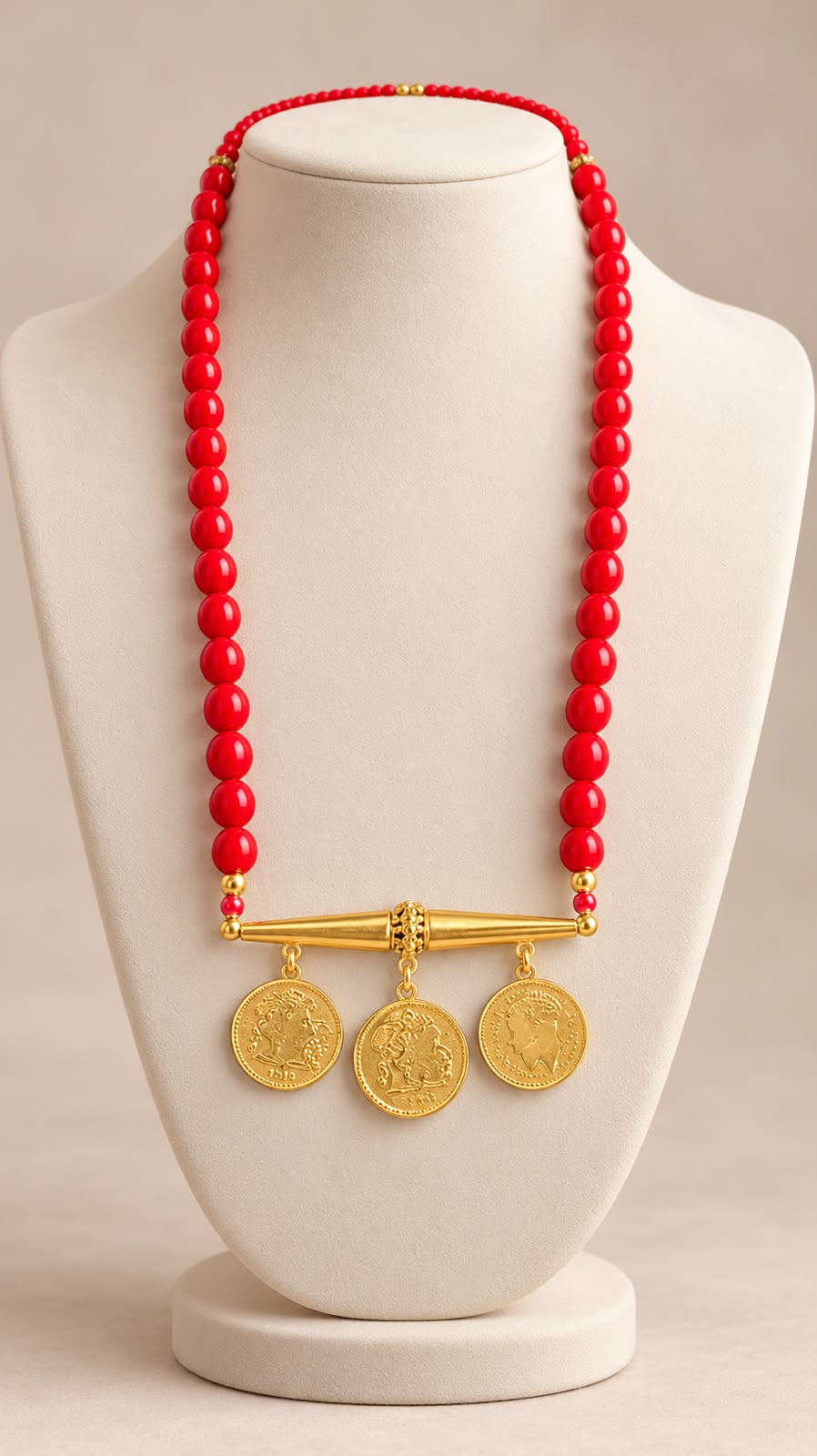
For Magboula Mahdi Hussein Sharif, making jirtig accessories has become a way to help sustain that memory. She sources materials, selects stones, crafts the pieces, explains their symbolism and use, and sends them to Sudanese families across the world.
Each piece carries a small story of Sudan: of a bride, a family, a ceremony and a shared memory—and of a homeland whose presence endures in the traditions people take with them.
Post your comments
Photo of the Week

Sudanese Student Wins International Research Award and Presents Digital Nursing Project at Royal College of Nursing Conference in Britain Khartoum – Sudanow In a country where the healthcare sector is facing mounting crises and war has placed hospitals, healthcare workers, and patients under immense pressure, a Sudanese nursing student has chosen to begin with a question ...
More-

11 October, 2026
Stories from the Heart of the Battlefield On World Teachers’ Day: The Sudanese Teacher — Achievements Against All Odds
Teachers carried their chalk through the rubble and kept working — Resilience War closed schools, but examinations continued — A Mission Low salaries and mounting hardships — The Price of the Profession Khartoum (Sudanow) — Teachers around the world are marking World Teachers’ Day this week, an occasion that carries messages of appreciation and gratitude for those who carry the torch of knowledge...

Contact Us

Address: Sudan News Agency (SUNA) Building, Jamhoria Street, Khartoum - Sudan
Mobile:+249 909220011 / +249 912307547