


Onions: Protection, Care, Health and Beauty
11 October, 2026
KHARTOUM (Sudanow) — In rural communities, particularly during travel and long journeys, people often say, “Eat onions before you reach your destination,” highlighting their traditional belief in onions as a means of warding off hunger and illness. Another popular saying, “Eat onions and forget what happened,” reflects the belief that onions help promote relaxation and relieve stress.
To explore the nutritional and medicinal value of onions, Sudanow spoke to Dr. Mohamed Osman Maisara, a consultant in community medicine and public health.

Dr. Maisara began by explaining that onions are among the oldest plants known to humanity. They are distinguished by their pungent aroma, and their cultivation takes between four and six months, depending on the variety, location and farming method. Yields typically range from 20 to 25 tonnes per feddan, potentially reaching 35 tonnes when recommended agricultural technology packages are applied.
In Sudan, onions are cultivated in the River Nile, Northern, Kassala, Gedaref and Sennar states.
Onions also played an important role in the lives and beliefs of ancient civilizations. Thousands of years ago, the Kushites are believed to have regarded the concentric layers of the onion as a symbol of eternity. Onions were reportedly used in mummification and burial practices because of the belief that they possessed body-purifying properties.
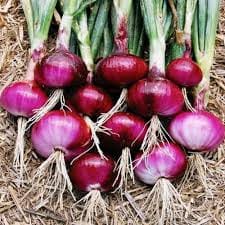
Onions in Traditional Medicine and Heritage
Discussing the importance of onions as a staple food and a source of nourishment for workers, Dr. Maisara, an expert in traditional and complementary medicine, explained that onions held a special place in ancient Kushite papyri. They were believed to ward off evil spirits, eliminate toxins, relieve colds and coughs, cleanse the mouth, treat respiratory disorders, expel intestinal worms and combat bacteria.
Onions also attracted considerable attention in Islamic heritage, both in the Holy Qur’an and the Prophetic tradition. Arab physicians, including Al-Razi and Ibn Sina, incorporated onions into traditional remedies for urinary retention and alopecia. They were also recommended to strengthen the stomach, stimulate appetite and help relieve coughs.
Ibn al-Qayyim also discussed onions in his writings. The Prophet Muhammad (peace be upon him) discouraged those who had eaten raw onions from entering the mosque because of their strong smell. Cooking onions before consumption can help reduce their pungency.
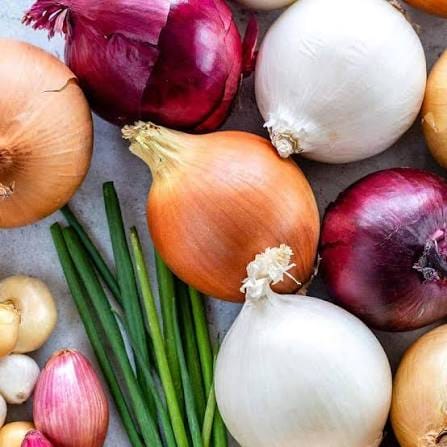
Onions come in several varieties, including green, white, yellow, red and purple, each with different culinary applications. They are used in soups, stews and cooked dishes, as well as in fresh salads, pickles and fried preparations. Dried onions are also widely used as a seasoning to enhance flavour.
For maximum nutritional benefit, fresh onions are often preferred because they contain valuable antioxidants, volatile oils, minerals and vitamins.
Among the ancient Greeks, onion juice was associated with vitality and healing, reflecting the longstanding place of onions in traditional food and medicinal practices.
A Nutritional Treasure with Potential Health Benefits
According to Dr. Maisara, onions are valuable in traditional medicine and therapeutic nutrition because they contain biologically active compounds, including flavonoids, quercetin, sulphur compounds and substances with antioxidant and anti-inflammatory properties.

He outlined a range of potential benefits for different age groups, although the extent of these effects varies and not all traditional medicinal claims are supported by strong clinical evidence.
For women, onions are traditionally associated with supporting sexual health and hormonal balance and alleviating some menstrual discomfort. They also contain folate, a B vitamin essential for fetal development and the prevention of certain congenital abnormalities. Their potential role in preventing osteoporosis among postmenopausal women has also attracted attention, although onions should not be regarded as a substitute for established preventive measures or medical treatment.
For children, onions provide nutrients and antioxidant compounds that contribute to a balanced diet and support normal growth. Their constituents may also help the body respond to inflammation, but onions are not a proven treatment for colds or respiratory infections.
For older adults, onions can contribute to a healthy diet and provide compounds associated with cardiovascular health and the protection of cells against oxidative stress. They also contain minerals such as phosphorus and manganese. However, claims that onions detoxify the body, eliminate worms, prevent cancer, treat prostate enlargement or independently lower blood pressure and blood sugar require careful scientific qualification.
For young people, onions offer nutritional value and contain compounds being studied for their potential roles in sexual health, skin health and the body's antioxidant defences. They are also used in traditional hair-care preparations, particularly those intended to address dandruff and scalp concerns. A balanced diet, rather than any single food, remains essential for energy, muscle development, digestive health and overall well-being.
Onions are also used in traditional veterinary medicine as a dietary supplement for poultry. However, this practice requires caution: onions can be toxic to several animal species, including poultry, and should not be used as a veterinary supplement without appropriate professional guidance.
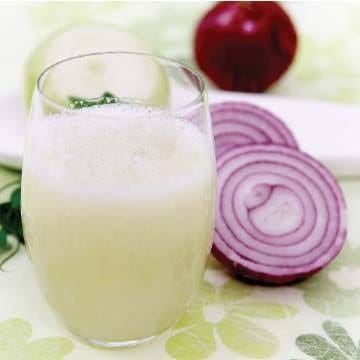
Precautions and Ways to Reduce Onion Odour
Despite their nutritional benefits, excessive onion consumption may cause digestive discomfort, including bloating and heartburn, particularly in people sensitive to fermentable carbohydrates. Concentrated onion preparations and supplements may also interact with certain medicines, including some blood-thinning medications.
Dr. Maisara noted that onion breath can be reduced through oral hygiene and the use of mouth rinses containing mint. Eating green apples or parsley may also help freshen the breath.
For onion odour on the scalp, some people use apple cider vinegar or specialised shampoos, although these remedies should be used cautiously to avoid irritation.
Industrial and Economic Uses
The value of onions extends beyond food and traditional medicine. They are used in food-processing industries, including central kitchens, canning, pickling and flavouring production.
Onions also have applications in the extraction of aromatic compounds and the development of natural products containing antioxidants and substances studied for their potential antimicrobial and anti-inflammatory properties. Onion waste can be processed for bioenergy, biogas and organic fertiliser production. Onion-derived ingredients are also used in certain cosmetic products.
These diverse applications offer opportunities to reduce agricultural waste, expand food-processing industries and develop products with greater economic value.
A Call to Expand Onion Cultivation
In conclusion, Dr. Maisara, a member of the Standing Committee on Medicinal and Aromatic Plants and chair of a committee established to develop schools of traditional and complementary medicine, called for greater attention to onion cultivation in Sudan.
He advocated expanding production on a commercial and investment-oriented scale, emphasising the crop’s nutritional importance and its potential contribution to rural development, support for productive households, youth employment, increased family incomes and the strengthening of the national economy.
For Sudan, onions represent more than an everyday ingredient. With improved agricultural practices, responsible use of their nutritional properties and investment in processing industries, they could become an important contributor to food security, rural livelihoods and economic development.
Post your comments
Photo of the Week

Sudanese Student Wins International Research Award and Presents Digital Nursing Project at Royal College of Nursing Conference in Britain Khartoum – Sudanow In a country where the healthcare sector is facing mounting crises and war has placed hospitals, healthcare workers, and patients under immense pressure, a Sudanese nursing student has chosen to begin with a question ...
More-

11 October, 2026
Stories from the Heart of the Battlefield On World Teachers’ Day: The Sudanese Teacher — Achievements Against All Odds
Teachers carried their chalk through the rubble and kept working — Resilience War closed schools, but examinations continued — A Mission Low salaries and mounting hardships — The Price of the Profession Khartoum (Sudanow) — Teachers around the world are marking World Teachers’ Day this week, an occasion that carries messages of appreciation and gratitude for those who carry the torch of knowledge...

Contact Us

Address: Sudan News Agency (SUNA) Building, Jamhoria Street, Khartoum - Sudan
Mobile:+249 909220011 / +249 912307547