



Abu Hamad: From the Gold Capital to an Economic Hub for Northern Sudan
25 October, 2026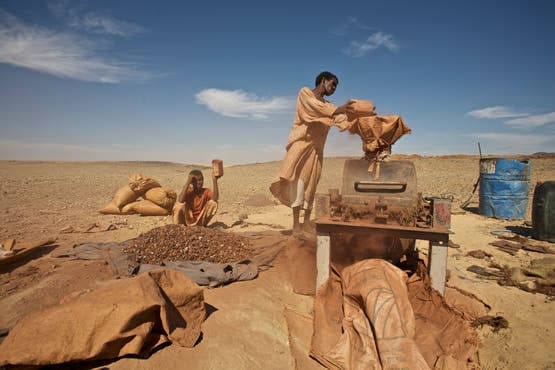
KHARTOUM (SUDANOW) — Writer and researcher Dr Yasser Ahmed Ibrahim continues his historical and tourism series exploring the city of Abu Hamad.
Episode Five: The Nile, Gold, Industry and Tourism — Resources Shaping the City of the Future
Some cities simply live off what they possess. Others know how to turn their resources into a future.
Abu Hamad belongs to the second category. The city stands amid one of Sudan’s richest natural environments, overlooks the Nile, lies close to mining areas, and sits along routes connecting important parts of the country. Its surrounding areas also offer agricultural, industrial, commercial, and tourism potential that could make it one of the most important economic centres in northern Sudan.
But the real question is not: What does Abu Hamad possess?
The question is: How can these scattered resources be transformed into an integrated economic system?
From Extracting Wealth to Manufacturing It
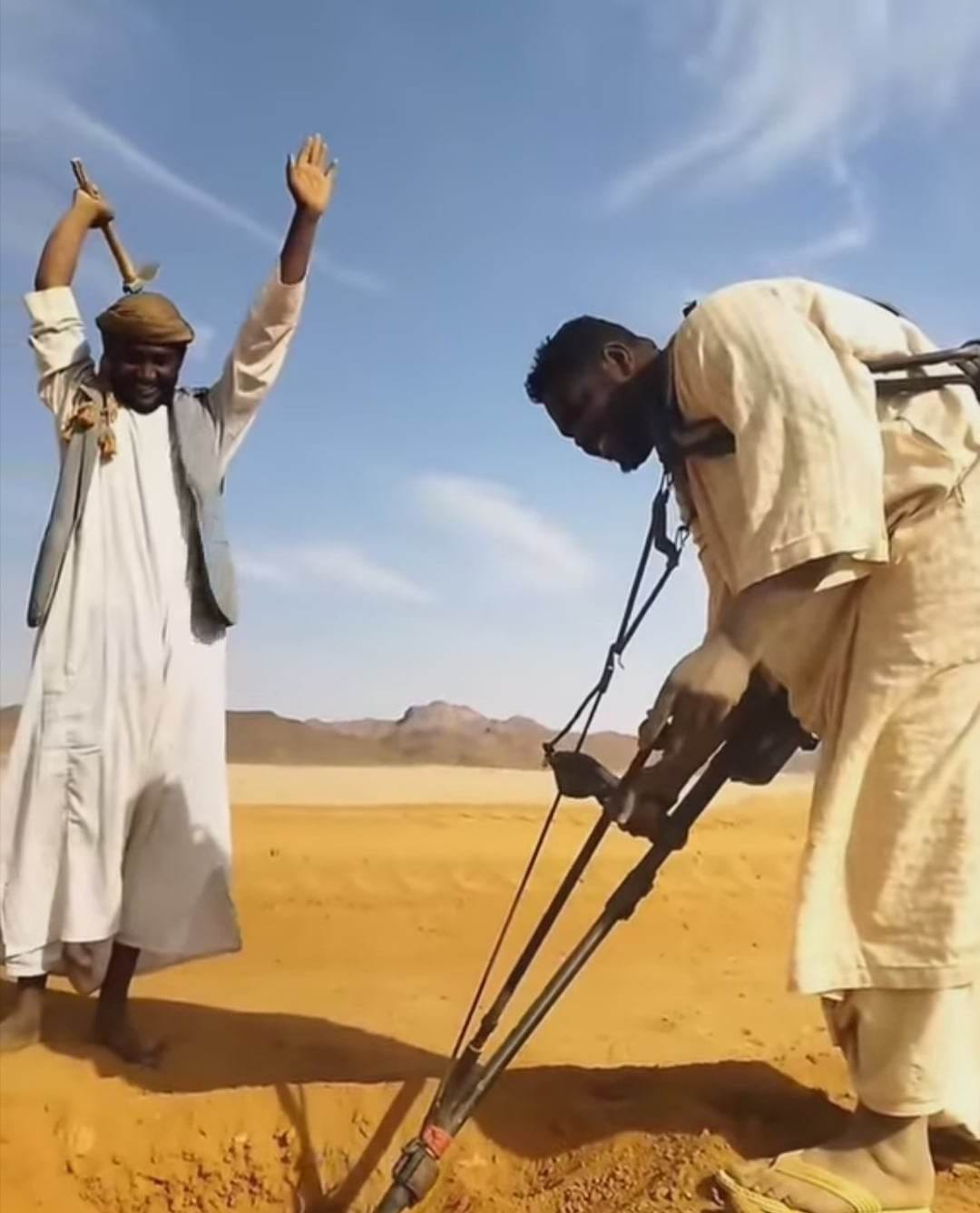
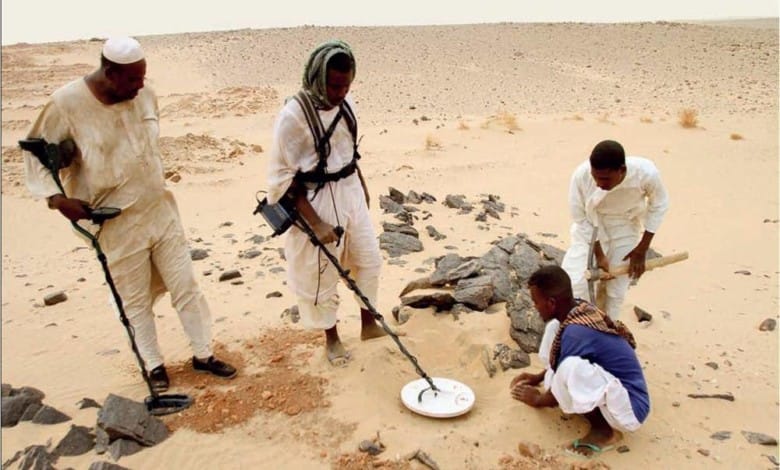
Mining, particularly gold mining, has long been one of the region’s main sources of economic activity.
But the future should not be limited to extracting raw materials and transporting them elsewhere.
The real value begins when mineral wealth is transformed into industry: processing plants, engineering services, specialised workshops, transport companies, financial institutions, training centres, and supply chains that create employment opportunities for local residents.
This is where Abu Hamad can move beyond the concept of a “mining town” towards a broader vision of a “mining and industrial city.”
Gold can be the beginning of an economic value chain, not its end.
The Nile: An Economic Lifeline, Not Just a Beautiful Landscape
The Nile represents another resource of strategic importance.
The river is not merely a source of water. It can become an integral part of agricultural development, tourism, and service-sector growth, provided that the environment is rigorously protected and water resources are carefully conserved.
Modern agricultural projects, green spaces, tourism and recreational facilities, and small and medium-sized enterprises serving residents and visitors could all develop along its banks.
When the Nile is combined with gold, industry, and trade, Abu Hamad gains an opportunity to build a diversified economy that is more resilient and better equipped to withstand market fluctuations.
Tourism: A Resource That Never Runs Out
In the previous episode, we explored Abu Hamad as a gateway to the Kingdom of Kush.
This opens up another opportunity.
Tourists visiting Sudan are not interested in archaeological sites alone. They seek an entire story: the Nile, the desert, the mountains, the markets, traditional crafts, local communities, and history.
Abu Hamad can become part of that story.
Cultural tourism can be integrated with river, ecological, and desert tourism to create a new economic sector offering opportunities for young people, women, and small-business owners.
A tourist does not simply buy a visit to an archaeological site; they seek an experience, a memory, and a story.
That story already exists in Abu Hamad. What it needs is someone to discover it and present it to the world.
A City for Investors — and for Its People
A genuine development project should not be measured solely by the number of factories and buildings it produces, but by the difference it makes in people’s lives.
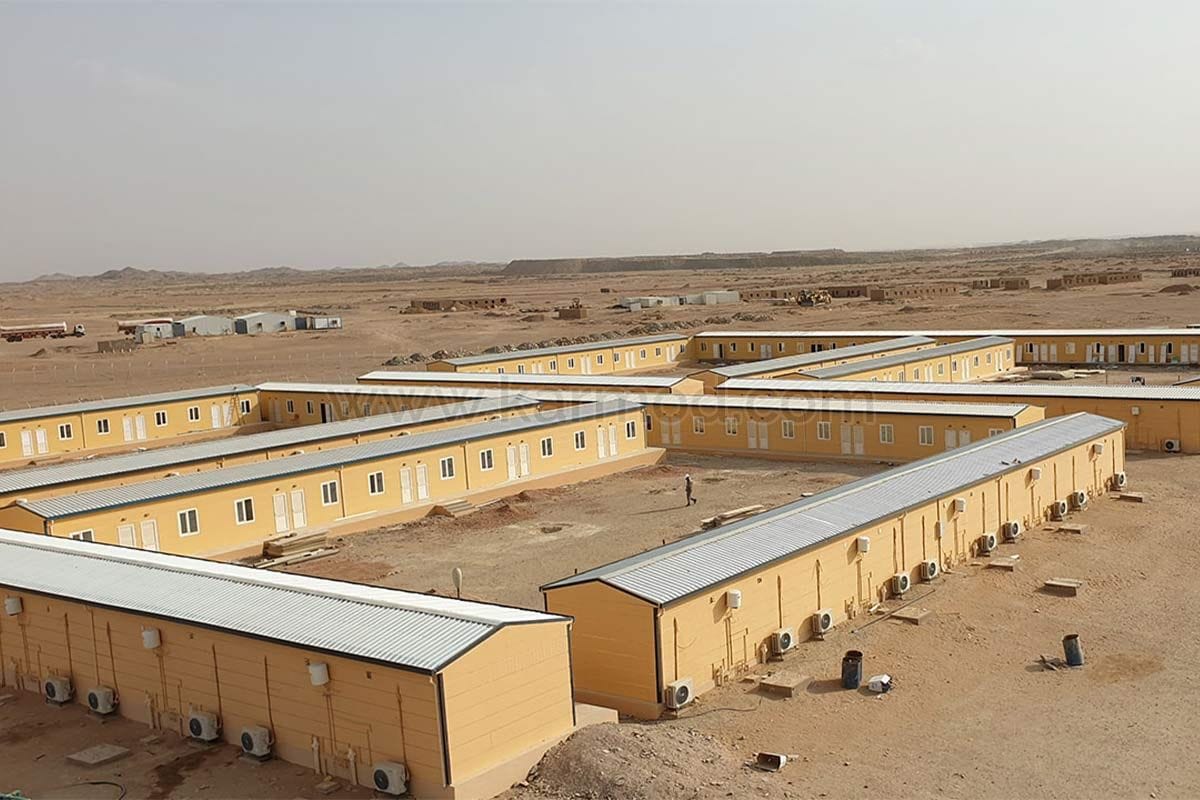
The Abu Hamad of the future therefore needs modern urban planning, organised industrial zones, developed markets, roads and transport services, schools and vocational training institutes, healthcare facilities, reliable water and electricity supplies, telecommunications networks, and an environment conducive to small and medium-sized enterprises.
A successful economic city is one that offers investors opportunities, young people employment, citizens essential services, and families security.
A University and Institute for Gold and Industry
One of the most important projects worth considering is the establishment of an educational institution or specialised centre focusing on mining, mineral industries, geology, energy, and environmental studies.
Natural wealth requires more than a workforce. It needs scientists, engineers, technicians, administrators, and researchers.
Universities and scientific research centres can therefore become essential partners in Abu Hamad’s development.
The greatest investment the city can make is not merely in buildings and infrastructure, but in people.
Abu Hamad: A Logistics and Commercial Hub
The city’s geographical location could also enable it to become a centre for logistics and trade, particularly as industrial and mining activities expand.
Modern warehouses, transport services, commercial zones, maintenance centres, banking and insurance services, customs clearance facilities, and freight companies could turn Abu Hamad into an important economic hub serving extensive areas of northern and eastern Sudan.
The city would then become more than a place of production. It could also serve as a centre for collecting, distributing, and exchanging goods and services.
One Vision, Not Scattered Projects
The greatest challenge is not a lack of resources, but the absence of an integrated vision.
It is not enough to build a factory here, a road there, or an agricultural project somewhere else.
What is needed is a strategic master plan for Abu Hamad that designates areas for industry, commerce, housing, agriculture, and tourism, protects the environment and archaeological resources, and places people at the heart of the development process.
Only then can potential be transformed into a productive, sustainable economy.
The Abu Hamad We Dream Of
We dream of an Abu Hamad that awakens each morning to the hum of factories, bustling markets, productive farmland, and the movement of freight trucks, while visitors arrive to discover the history of Kush and young people find employment close to their families.
We envision a city that does not simply sell its gold as raw material or leave its history confined to books, but transforms its gold into industry, its Nile into a source of life, its heritage into tourism, its location into trade, and its young people into a productive force.
Abu Hamad would then become more than a city in northern Sudan.
It would become a model of how Sudan can transform its immense natural resources into genuine development.
Abu Hamad: The Gold Capital Today, the Economic Capital Tomorrow.
Post your comments
Photo of the Week
From Medical Research to the Advancement of Specialized Healthcare: A Scientific Career Bridging Knowledge and Community Service Gedaref – Sudanow Professor Saeed Mohamed Omar has achieved a notable scientific milestone by being included among the world’s top 2% of scientists for 2025–2026 in Clinical Medicine, under the General and Internal Medicine subfield,...
More-
25 October, 2026
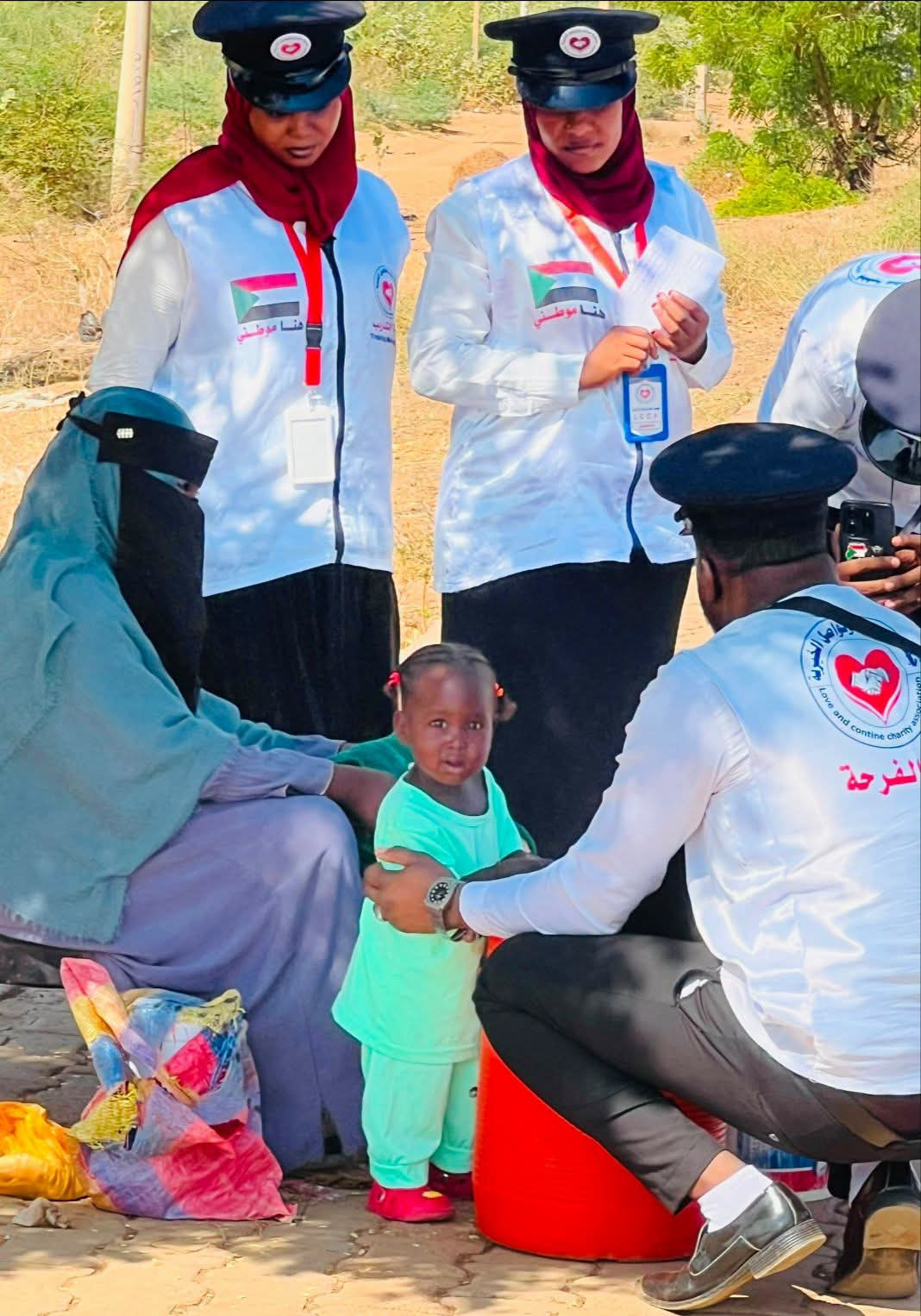
Tales from the Battlefield “Rest Tonight, Mum”: A Compassionate Gesture That Moved Social Media and Wiped Away a Strugg
A humanitarian initiative goes beyond providing assistance to help build hope Dr Sarah: The war has driven mothers into the markets in search of a livelihood. A video shared on social media has touched the hearts of users, capturing a moving act of kindness by young volunteers from the “Rest Tonight, Mum” initiative. The group reached out to a Sudanese woman displaced from Darfur who struggles to support her family...

Contact Us

Address: Sudan News Agency (SUNA) Building, Jamhoria Street, Khartoum - Sudan
Mobile:+249 909220011 / +249 912307547