



Sudanese Women and Social Cohesion in Times of Crisis: An Unbreakable Source of Strength
25 October, 2026
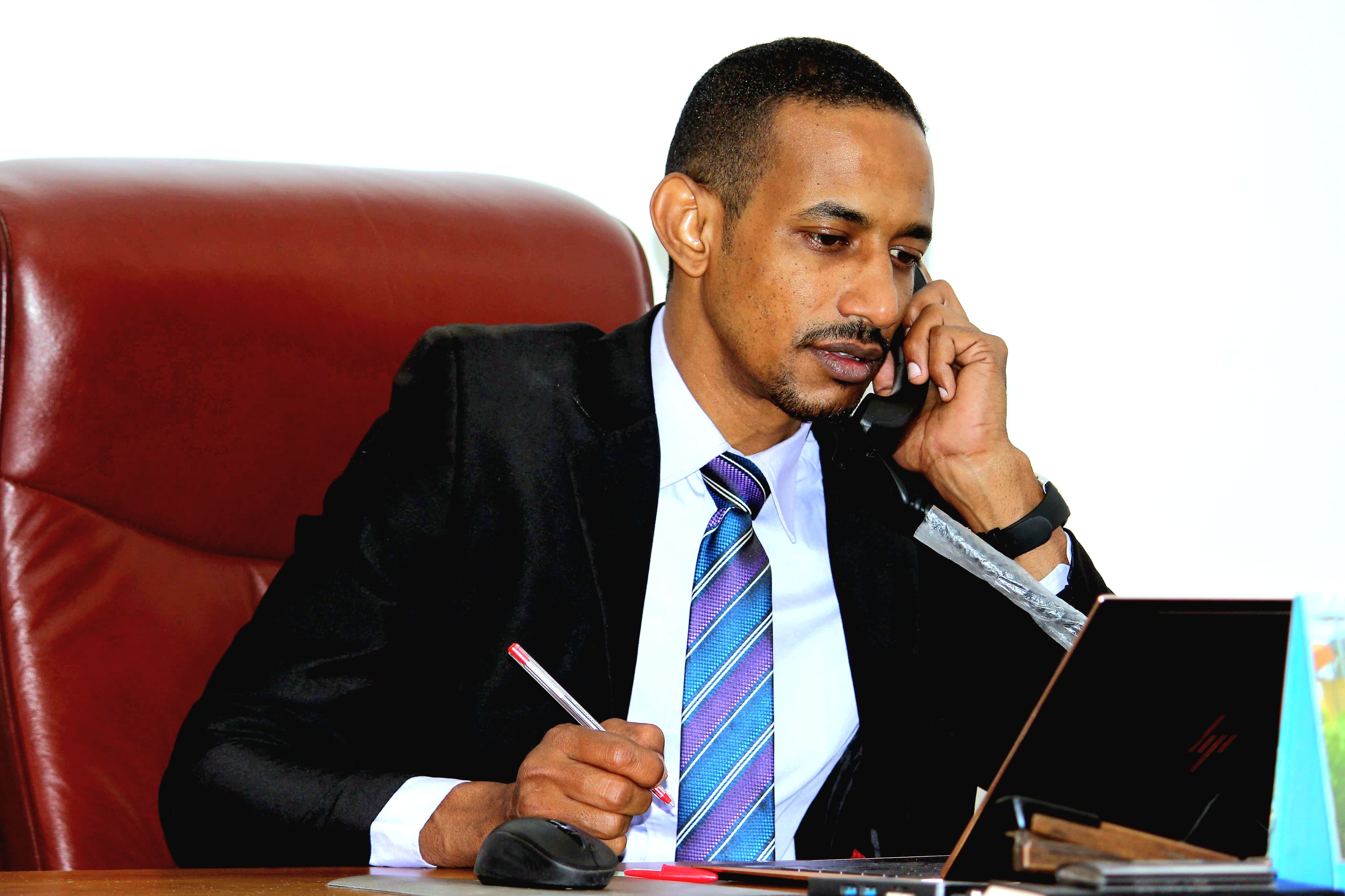
KHARTOUM (SUNA) — Drawing on his psychological studies of women’s roles in society, Professor Muaz Sharfi, a consultant in child and adolescent mental health and an expert in crisis and disaster management, has presented a paper examining the vital, often unseen contribution of Sudanese women to social cohesion during successive crises, including war, displacement and economic collapse.
Based on field observation and qualitative analysis, the paper argues that Sudanese women are central to managing crises within extended families and neighbourhoods. Their contribution constitutes a largely unpaid form of social care and community support that has received insufficient recognition, documentation and practical assistance.
Keywords: Sudanese women; social cohesion; crises; displacement; solidarity economy; grandmothers; community kitchens.
Why Focus on Women?
When state institutions collapse, men lose their livelihoods and young people see their futures slipping away. Yet women are expected to keep going, because so many others depend on them.
Within Sudanese society, women sustain the relationships through which families and communities survive. As war has weakened public institutions, women’s networks have continued to provide care, maintain connections and mobilise support.
This raises a pressing question: why do women appear so frequently in images of displacement, carrying children and cooking pots, yet remain largely absent from the decision-making tables where the rebuilding of their communities is discussed?
Five Often Invisible Roles
1. Managing the Household Economy
When salaries stop, women manage what remains.
Traditional rotating savings arrangements, known as khitta or sunduq, provide informal financial support that can help families meet essential needs during displacement. Women also stretch scarce resources by repairing and reusing children’s clothing, making food go further and finding new uses for household materials.
In many families, women’s gold jewellery has financed escape from Khartoum, paid for transport or covered rent in places such as Wad Madani and Gedaref. Possessions accumulated over a lifetime have become a means of collective survival.
2. Preserving Relationships Across Divides
Women frequently maintain social ties despite political disagreements and communal tensions.
They offer condolences to neighbours from other communities, send meals to newly displaced families and keep relatives connected by telephone when roads become impassable.
These everyday acts of solidarity help prevent differences from hardening into permanent divisions. Their significance extends well beyond the household: they preserve the relationships on which wider social cohesion depends.
3. Providing Emotional Support
In psychological terms, emotional “containment” describes the capacity to receive another person’s distress and help make it bearable.
Sudanese mothers often perform this role for the entire family. They reassure frightened children—“Do not be afraid; we will go home”—while absorbing a partner’s frustration over unemployment and comforting an elderly mother grieving what has been lost.
Yet the women providing this support may have no one to turn to themselves. Their own distress can remain unnoticed, even as the demands placed upon them continue to grow.
4. Leading Community Kitchens
The takaya, or community kitchens, have become one of the most visible expressions of solidarity during Sudan’s war.
The paper estimates that women account for 90 per cent of those running these kitchens. Neighbourhood women collect contributions, prepare meals and organise distribution, sometimes feeding between 200 and 300 people a day without external funding or formal organisational backing.
Their work demonstrates how local knowledge, trust and shared responsibility can sustain communities under extraordinary pressure.
5. Carrying Collective Memory
The haboba, or grandmother, holds a distinctive place in Sudanese family life. She carries memories of relationships that predate the present conflict and can remind younger generations of their continuing ties to others.
“These are our people,” she tells the children. “The war will pass. Do not carry hatred in your hearts.”
Such words challenge the transmission of resentment from one generation to the next. Against the hostility circulating on social media, the grandmother’s voice offers familiarity, restraint and the possibility of reconciliation.
The Personal Cost of Holding Others Together
Sustaining a family and community through prolonged crisis carries a heavy emotional cost. The paper discusses this burden in terms of compassion fatigue and the exhaustion associated with continuous caregiving.
For many women, it takes several forms:
Postponed grief: They set aside their sorrow over a destroyed home or a lost way of life until everyone else has been reassured, often facing that grief later in isolation.
A double workload: They earn income by selling tea, preparing kisra or undertaking other work, while continuing to shoulder domestic responsibilities.
Silence around violence: Some women who experience violence or exploitation during displacement remain silent out of concern for family stability.
Celebrating women’s resilience without addressing these burdens risks making their exhaustion seem inevitable.
From Appreciation to Practical Support
Calling Sudanese women strong is insufficient. Strength without support becomes depletion.
The paper proposes a framework for action at four levels.
Community Organisations
Projects intended to restore social cohesion should work through neighbourhood women’s committees alongside other community structures. Women often know which households lack food, who needs assistance and where relationships have broken down.
Mental Health Support
Women need safe spaces where they can speak freely, receive emotional support and be heard. Assistance must extend beyond the distribution of essential supplies to recognise the people carrying the burden of care.
Media Representation
Coverage should show the full range of women’s experiences: the woman organising a community kitchen, managing a savings group or supporting an extended family deserves attention alongside accounts of loss and suffering.
Family Responsibilities
The work of sustaining relationships and providing emotional care must be shared. Men, too, can develop the capacity to listen, reassure and support others. Social cohesion is a collective responsibility.
Rebuilding Through Those Who Have Sustained Community Life
Sudanese women’s daily work has helped preserve community life through war: preparing meals, finding resources, maintaining relationships and reassuring those around them.
Much of this work is performed without pay, recognition or respite. A meaningful commitment to rebuilding Sudan must therefore include support for the women who have sustained its families and neighbourhoods—and a place for them in shaping its future.
To understand whether a neighbourhood in Omdurman is coming back to life, ask whether its women have begun gathering again over afternoon coffee.
Post your comments
Photo of the Week
From Medical Research to the Advancement of Specialized Healthcare: A Scientific Career Bridging Knowledge and Community Service Gedaref – Sudanow Professor Saeed Mohamed Omar has achieved a notable scientific milestone by being included among the world’s top 2% of scientists for 2025–2026 in Clinical Medicine, under the General and Internal Medicine subfield,...
More-
25 October, 2026
Tales from the Battlefield “Rest Tonight, Mum”: A Compassionate Gesture That Moved Social Media and Wiped Away a Strugg
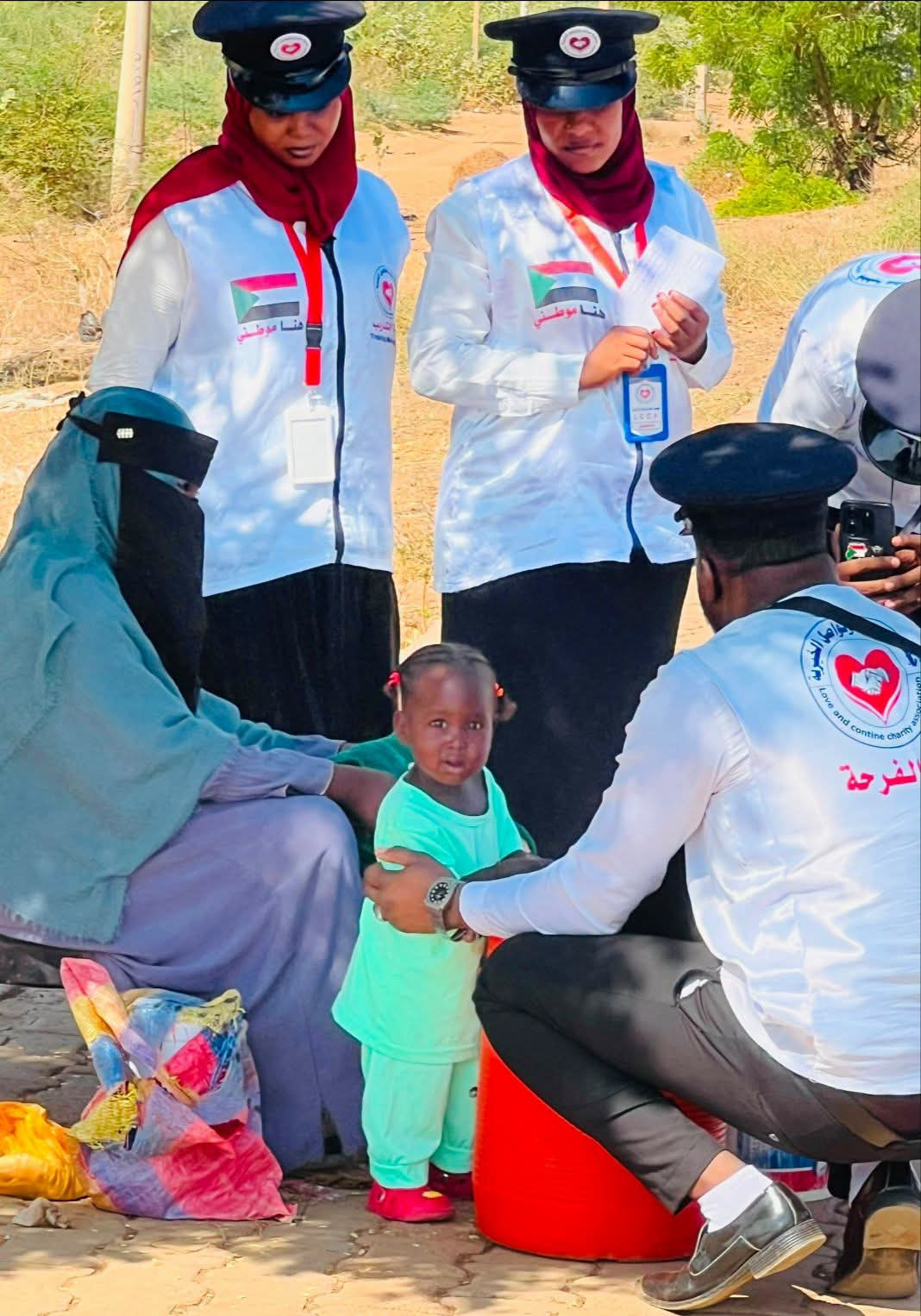
A humanitarian initiative goes beyond providing assistance to help build hope Dr Sarah: The war has driven mothers into the markets in search of a livelihood. A video shared on social media has touched the hearts of users, capturing a moving act of kindness by young volunteers from the “Rest Tonight, Mum” initiative. The group reached out to a Sudanese woman displaced from Darfur who struggles to support her family...

Contact Us

Address: Sudan News Agency (SUNA) Building, Jamhoria Street, Khartoum - Sudan
Mobile:+249 909220011 / +249 912307547