


El Fasher: “A Wound That Refuses to Be Forgotten”
26 October, 2026
One year since the city fell: a humanitarian tragedy whose scars remain visible… the crimes attributed to the Dagalo forces…
A prolonged siege, relentless shelling, and steadfast resistance in the face of death… acts of courage…
Documented massacres and violations… and calls for justice…
Ambassador Osama Abdelbari: El Fasher puts the international community to the test of justice.
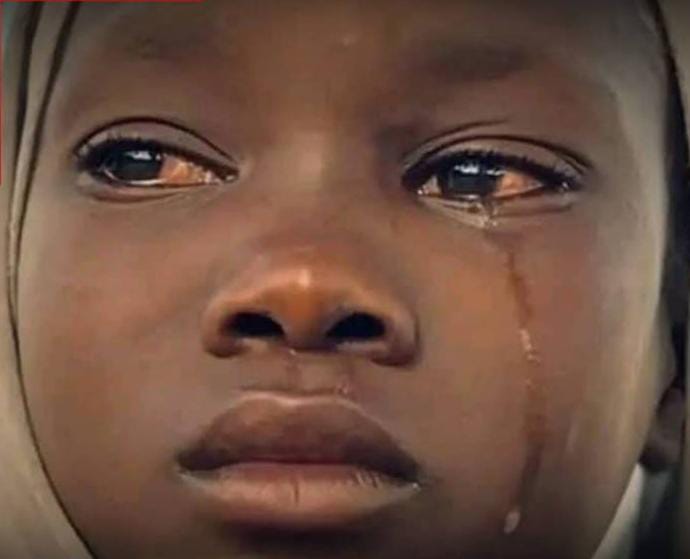
Today, Monday, October 26, marks the first anniversary of the fall of El Fasher, the capital of North Darfur State, to the Rapid Support Forces (RSF) and their allied fighters. Amid the pain of loss and the bitterness of displacement, El Fasher has once again come to the forefront of Sudan’s national discourse, as the humanitarian suffering left by massacres and violations continues. The city remains an open wound on the conscience of humanity and a case demanding international justice, the protection of civilians, and accountability for those responsible for the crimes. The anniversary also renews calls for solidarity with its people and for upholding their right to regain security and live in dignity.
Human Stories
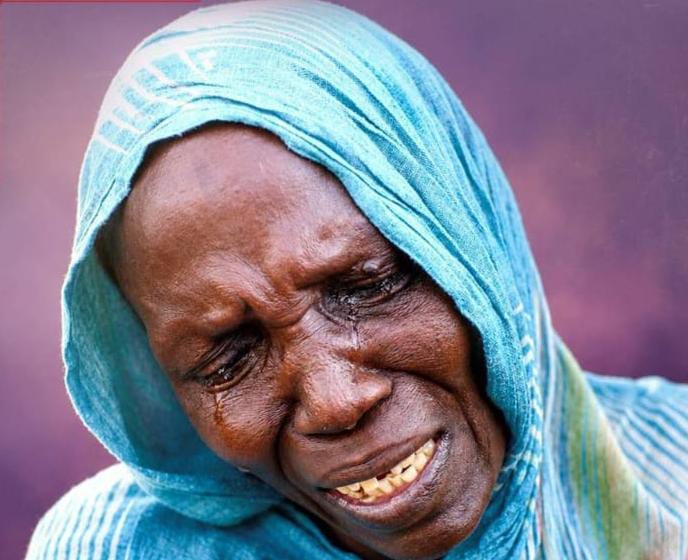
A full year has passed, yet time has not been enough to erase the images of tragedy from the memories of El Fasher’s people. The stories of families who lost their children, of children deprived of safety, and of survivors bearing deep psychological and physical scars continue to capture just part of the suffering left by the war.
Behind the figures circulated in reports lie human stories that must not be forgotten: mothers waiting for news of their sons and daughters; families scattered along displacement routes; children whose education has been interrupted; and survivors struggling to rebuild their lives after harrowing experiences.
These people are not mere statistics. They are human beings with rights and aspirations whose lives have been disrupted by war.
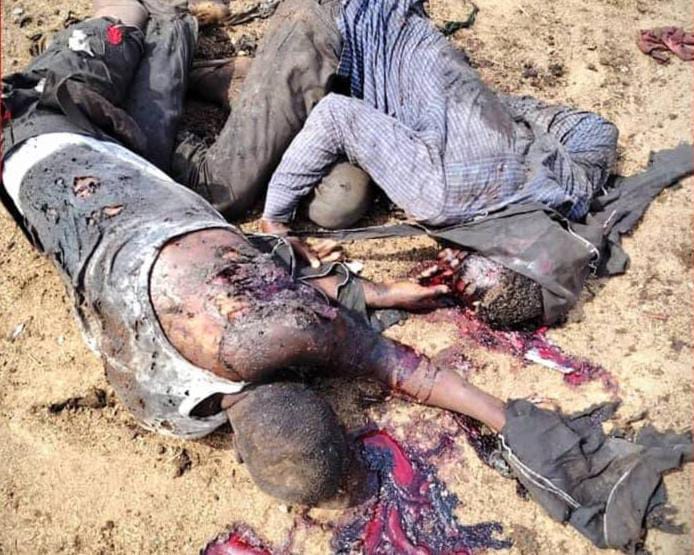
One year after this humanitarian catastrophe shook the world’s conscience, solidarity with the victims, survivors, internally displaced people, and refugees must be renewed. The memory of those who lost their lives must be honoured in recognition of their sacrifices, while reaffirming that El Fasher’s tragedy must not disappear behind overlapping crises or diminishing media attention.
The passage of a year since the city fell does not mean that its people’s suffering has ended, nor does it extinguish their right to redress and to return to safe and dignified lives.
Siege and Resilience
The fall of El Fasher was not an isolated event, but the culmination of a prolonged ordeal marked by siege and repeated attacks. For months, the city, known as Shanab al-Asad (“Lion’s Fang”), endured immense suffering, coming under intense bombardment by artillery, shelling, and drones. Humanitarian conditions deteriorated steadily, while access to food, medicine, and water became increasingly difficult.
Despite these circumstances, residents struggled to hold on to life under conditions that pushed them beyond the limits of endurance, as even the most basic necessities became a daily challenge. Patients and the wounded faced additional dangers as healthcare services deteriorated and access to treatment became increasingly difficult.
Under the shadow of siege and death, El Fasher became a testament to resilience in the face of sustained attacks and encirclement. This resilience extended beyond the military confrontation to the residents’ determination to manage their daily lives, help one another, and cling to hope despite the dangers surrounding them.
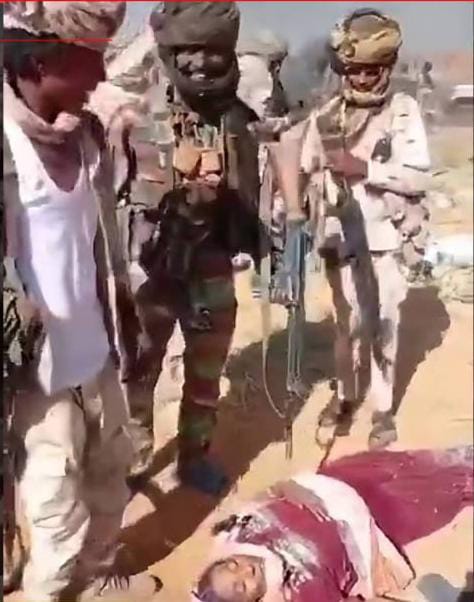
The defenders of the city also formed part of this prolonged confrontation, facing repeated assaults and mounting military pressure.
Whatever the outcome of the battle, the ordeal El Fasher endured during the siege stands as a testament to the sacrifices made by its people and the harsh conditions they faced.
Observers agree that revisiting El Fasher’s painful experience should not mean dwelling on the past alone. It requires acknowledging the suffering of its residents, documenting the violations they endured, securing justice for the victims, and working to prevent similar tragedies in El Fasher and other Sudanese cities.
Documented Massacres
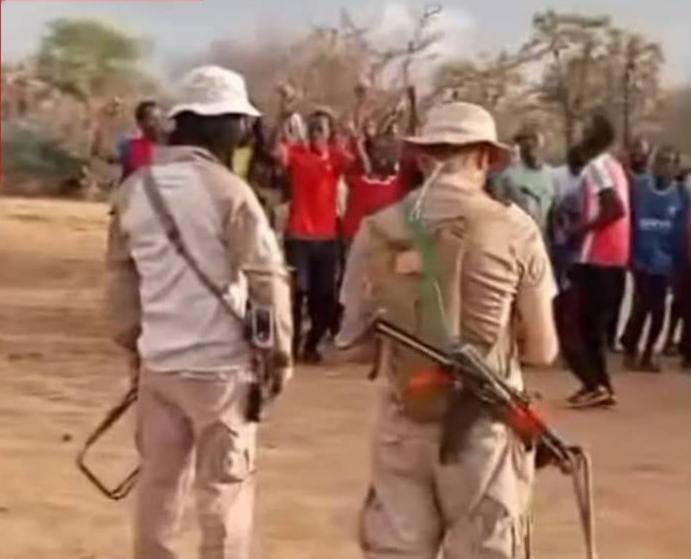
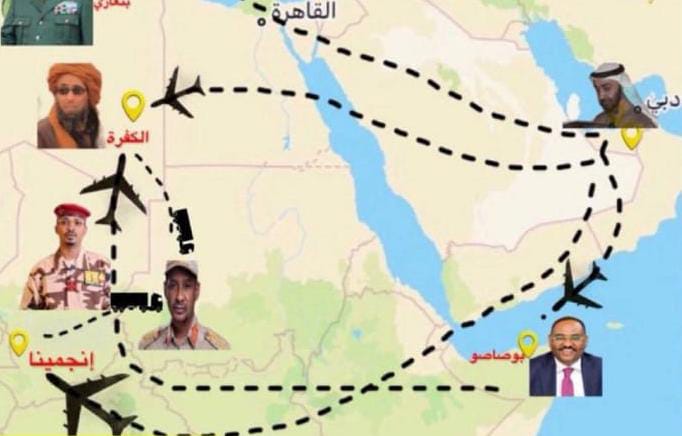
The first anniversary of El Fasher’s fall has reopened the question of accountability, amid human rights reports, circulating video footage of horrific violations and massacres attributed to RSF elements, and satellite imagery indicating possible large-scale killings and extensive destruction in parts of the city and its surrounding areas.
The gravity of these allegations is heightened by video recordings showing killings and abuses against civilians. Such incidents demand accountability for those involved, particularly the individual known as “Abu Lulu,” whom the report describes as a notorious perpetrator.
Meanwhile, the limited international action commensurate with the scale of the tragedy raises questions about the role of the United Nations and the UN Security Council in protecting civilians, exerting pressure to halt violations, and pursuing those responsible.
The international community must move beyond condemnations and expressions of concern towards practical measures that place human protection and accountability at the forefront of its priorities. The principle of ending impunity must be a rule, not merely a slogan, and must not be subordinated to political interests or calculations of influence.
Solidarity
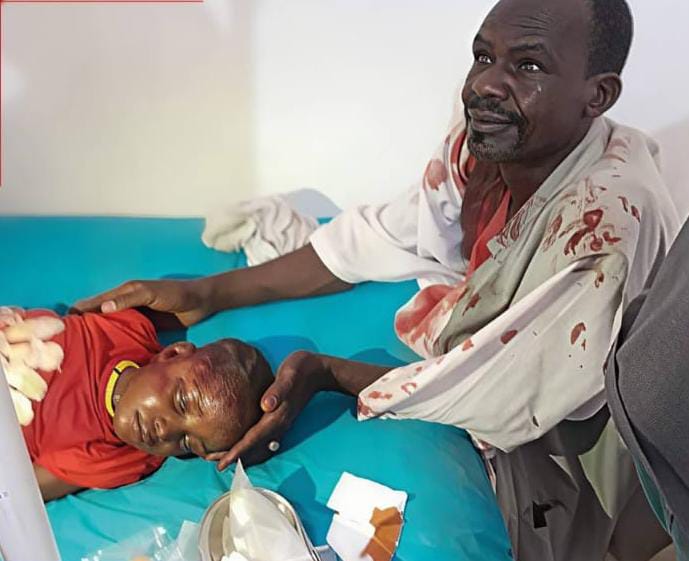
The tragedy of El Fasher extends beyond the events that unfolded during the siege and the city’s fall. It continues in the suffering of survivors and displaced people who were forced to abandon their homes and rebuild their lives under extremely difficult circumstances.
Ambassador Osama Abdelbari, a diplomat and strategic affairs expert, believes that the fall of El Fasher is more than a painful episode in the course of Sudan’s war. It raises fundamental questions about civilian protection, the future of the state, and the international community’s ability to address the crimes and violations committed during the conflict.
In remarks to Al-Karama, Abdelbari said that the killings, violations, and widespread displacement experienced in El Fasher and other areas had left deep wounds in the collective consciousness of the Sudanese people. Ensuring justice for victims, supporting survivors, and securing the safe return of displaced people, he noted, must be integral to any serious process of national recovery.
Abdelbari stressed that preserving Sudan’s unity and sovereignty, as well as the integrity of its institutions, requires domestic cohesion and support for the Sudanese Armed Forces in carrying out their national duty.
He argued that restoring security and building peace are complementary objectives, since sustainable stability cannot be achieved without protecting citizens, safeguarding their dignity, addressing the consequences of war, and creating the conditions necessary for life to return to affected areas.
He further emphasized that honouring the victims of El Fasher must go beyond commemorating those who lost their lives and condemning the crimes committed. It must translate into a practical commitment to achieving justice, holding those responsible for violations accountable, and ensuring that displaced people and refugees can return safely and with dignity.
El Fasher, he stressed, will remain present in Sudan’s national conscience. Overcoming its tragedy requires combining the restoration of security with justice for victims and the reconstruction of what the war has destroyed, in a manner that safeguards the Sudanese people’s right to life, freedom, and dignity.
A Final Word
One year after its fall, El Fasher remains far more than a city where a battle was fought and ended. It is the memory of victims who deserve justice, a story of resilience that the brutality of war cannot erase, and a national cause.
It is also a challenge facing the Sudanese Armed Forces and their various formations: to retake the city, restore security and safety, and preserve Sudan’s unity and cohesion.
Post your comments
Photo of the Week
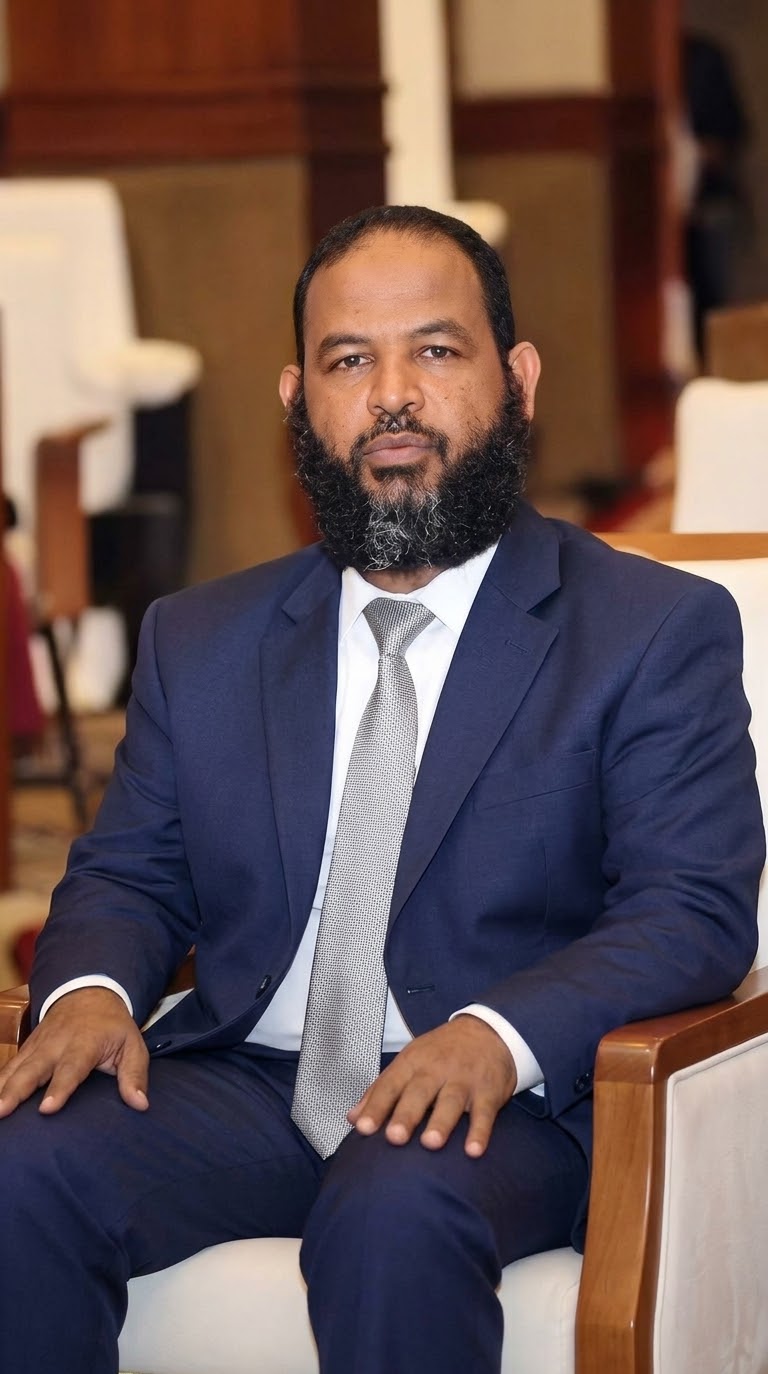
From Medical Research to the Advancement of Specialized Healthcare: A Scientific Career Bridging Knowledge and Community Service Gedaref – Sudanow Professor Saeed Mohamed Omar has achieved a notable scientific milestone by being included among the world’s top 2% of scientists for 2025–2026 in Clinical Medicine, under the General and Internal Medicine subfield,...
More-
25 October, 2026
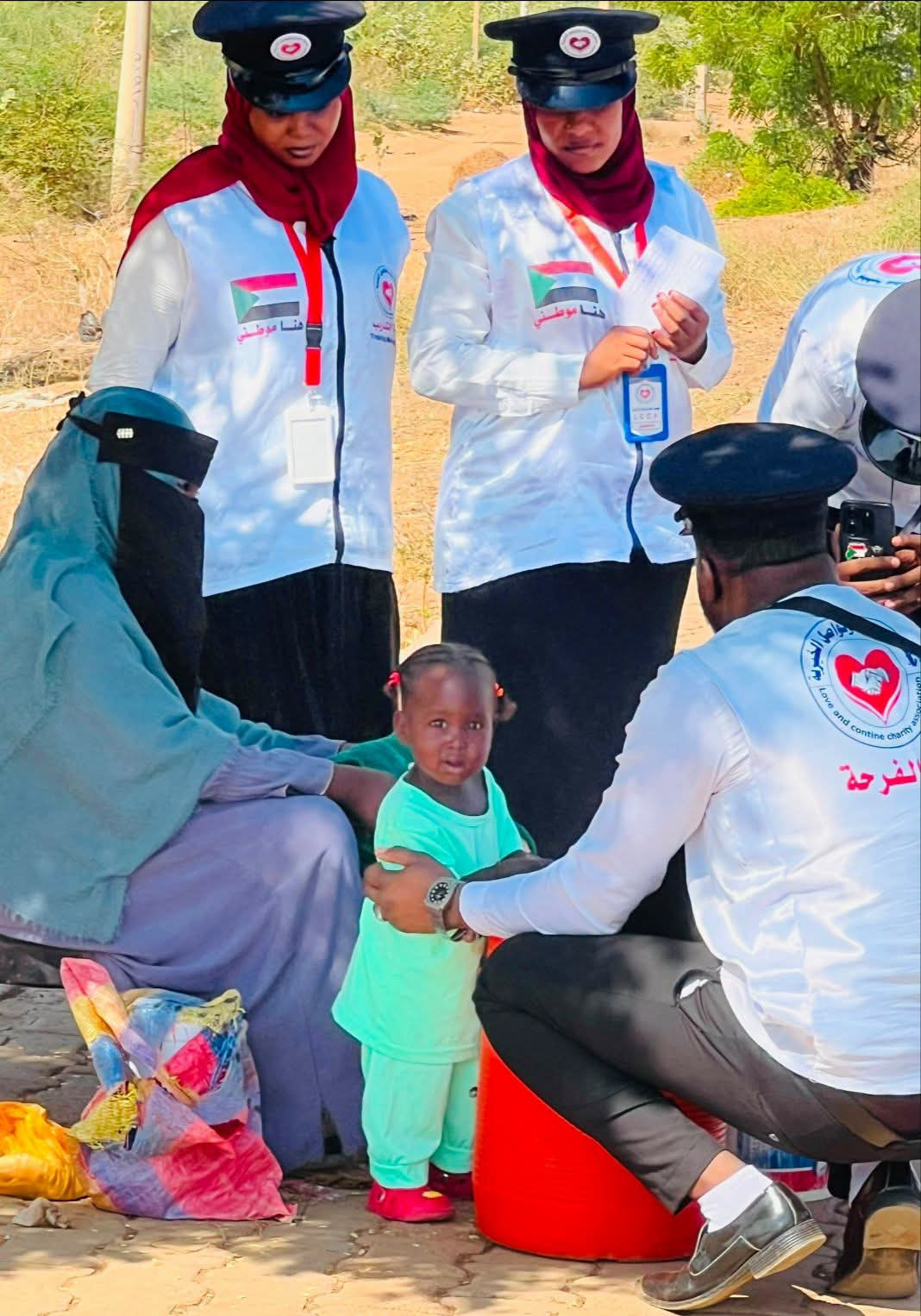
Tales from the Battlefield “Rest Tonight, Mum”: A Compassionate Gesture That Moved Social Media and Wiped Away a Strugg
A humanitarian initiative goes beyond providing assistance to help build hope Dr Sarah: The war has driven mothers into the markets in search of a livelihood. A video shared on social media has touched the hearts of users, capturing a moving act of kindness by young volunteers from the “Rest Tonight, Mum” initiative. The group reached out to a Sudanese woman displaced from Darfur who struggles to support her family...

Contact Us

Address: Sudan News Agency (SUNA) Building, Jamhoria Street, Khartoum - Sudan
Mobile:+249 909220011 / +249 912307547