


Fikriya Aba Yazid Mohamed: The Woman Who Steered Sudan’s Official News Agency Through One of the Most Challenging Period
01 November, 2026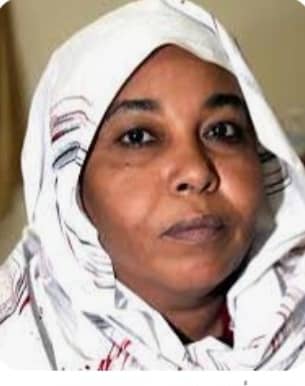
Fikriya Aba Yazid: A Woman of War and Peace
On World Manager’s Day, we pay tribute to an exceptional experience of a Sudanese woman who shouldered responsibility at a time when carrying such a burden was particularly difficult.
Fikriya Aba Yazid: The Woman Who Led SUNA Through the Storm
Khartoum – Sudanow
In the history of Sudanese media, certain professional experiences transcend the boundaries of journalism to become part of the institutional memory of national institutions, particularly when extraordinary circumstances impose severe tests of leadership and responsibility. The experience of Dr. Fikriya Aba Yazid Mohamed, former Director General of the Sudan News Agency (SUNA), stands out among these experiences. She assumed leadership of the agency during a critical period in the country’s history, confronting the challenges of war, displacement and dwindling resources while striving to maintain the institution’s operations and journalistic role.
On World Manager’s Day, Sudanow revisits a media career spanning several decades, encompassing journalism, specialized editing and administrative supervision, and culminating in the leadership of one of Sudan’s most prominent official media institutions under exceptional circumstances, both before and after the outbreak of war in April 2023.
Fikriya Aba Yazid became the second woman to hold the position of Director General of the Sudan News Agency, following pioneering journalist Naamat Mohamed Bilal. Her appointment marked another milestone in the participation of Sudanese women in leading media institutions and demonstrated their ability to reach senior positions through years of professional experience and career progression.

From the University of Khartoum to Journalism
Fikriya Aba Yazid began her education at Al-Kawz Primary School, followed by Al-Kalakla Al-Qatiya Intermediate School, before attending Omdurman Secondary School for Girls. She subsequently enrolled at the University of Khartoum, where she obtained a Bachelor of Arts degree, followed by a Higher Diploma in Media Studies.
She later earned a Master’s degree in Media Studies from the International University of Africa. Her research examined news flow through communication networks, focusing on Sudanese news coverage by Al Jazeera during the period from December 2000 to 2002.
She completed her academic journey with a PhD in Media Studies from the University of Khartoum. Her doctoral dissertation was entitled “Standards of News Coverage on Al Jazeera and BBC Arabic.”
Her academic qualifications, combined with extensive practical experience, strengthened her understanding of journalistic methodologies and professional standards in news coverage and processing. These areas were closely connected to her responsibilities at SUNA and other media institutions.
A Long Career in the Media
Fikriya Aba Yazid’s professional career has been closely associated with the Sudan News Agency since the 1980s. She worked as an editor in the domestic news section, as well as in the investigations department, and contributed to editing SUNA’s scientific news bulletin.
She gradually advanced through editorial and supervisory positions, serving as Head of the Reports Section and subsequently Head of the Economic Section, before reaching the position of Director General.
Beyond her professional responsibilities, Dr. Fikriya Aba Yazid was known for her active involvement in social initiatives and her commitment to strengthening solidarity among colleagues. She chaired committees concerned with medical assistance, providing clothing and organizing collective weddings. She also maintained a visible presence at colleagues’ personal and public occasions, reflecting her interest in fostering human relationships within the workplace and supporting colleagues through both joyful and difficult times.
Her career reflects broad journalistic experience encompassing editing, investigative reporting, news coverage and supervision across print journalism, television and radio, in addition to administrative work, team leadership and handling diverse media issues.
Outside SUNA, Fikriya worked with several newspapers and media platforms. She contributed to Akhir Khabar under the pen name “Um Rania,” managed the editorial production of the first issue of Usrati magazine, and edited the entertainment page of the women's newspaper Noon.
In the late 1990s, she continued her involvement in journalism through Al-Sawaed magazine and Sudan Economic magazine, published through the Sudanese Embassy in the UAE, alongside contributions to economic news editing.
On television, she participated in programmes addressing citizens’ concerns on Sudan Television, including Al-Bayt Al-Saeed. She later served as Senior Editor at Blue Nile TV from its experimental broadcasting phase until 2014.
Her professional engagements also included cooperation with the Qatar News Agency, Khartoum Radio, Economic FM, Al-Rabia Radio, and several international news agencies and media organizations.
These experiences demonstrate the diversity of her professional background, spanning news and economic reporting, social journalism, television and radio production, and the supervision of journalistic teams. They also provided a substantial foundation for her eventual leadership of SUNA.
Leading SUNA at a Critical Turning Point
Dr. Fikriya Aba Yazid assumed the leadership of the Sudan News Agency before the outbreak of war, amid intense political polarization, social divisions and security instability.
At the time, the agency faced challenges related to improving its editorial performance, strengthening its position as a source of official news, and maintaining its role in delivering information to the public.
With the outbreak of war on April 15, 2023, the responsibilities of management became considerably more complex. Media institutions, including SUNA, faced immediate difficulties as fighting engulfed Khartoum, making it impossible to continue operating from their usual premises. Security and humanitarian risks also affected employees and their families.
Under these circumstances, ensuring the continuity of the agency's operations became a central priority. This required alternative working arrangements, making use of available resources, maintaining communication with editors and preserving professional staff.
From Khartoum to Wad Madani: The First Displacement
Fikriya Aba Yazid took responsibility for managing the agency's operations during this difficult period, facing challenges that extended beyond editorial and technical matters to the humanitarian circumstances of employees who had been displaced with their families. Many had lost the stability necessary to continue their journalistic work.
Despite the severity of the circumstances, she remained committed to keeping SUNA's voice alive at a time when all official media outlets had ceased operating. She devoted considerable attention to maintaining the agency's activities through field follow-ups and continuous communication with SUNA personnel throughout the day.
She also carried these professional responsibilities while dealing with difficult family circumstances, including her husband's illness, may he rest in peace.
Fikriya's contribution, together with that of her colleagues at SUNA, was not limited to professional efforts. It also extended to shouldering the financial costs required to keep the agency operational. She personally used her own funds to meet the agency's operating expenses, as did several other employees who contributed from their personal resources to cover work-related needs following the outbreak of war. Their efforts reflected a shared determination to preserve the institution and sustain its media mission under extraordinary circumstances.
She also paid particular attention to SUNA's Television Unit (TVU), which witnessed developments during the period of her supervision that helped improve certain aspects of the agency's performance.
Port Sudan: The Second Displacement
In December 2023, following the Rapid Support Forces' advance into Al-Jazirah State and their entry into Wad Madani, the agency faced the necessity of relocating once again. This marked the beginning of a new phase of operations in Port Sudan, which had become a temporary base for several state institutions.
The second displacement took place under even more difficult conditions. It required reorganizing the agency's operations at a new location, addressing challenges related to premises, resources and personnel, and ensuring the continued publication of news and official coverage.
Following the commencement of arrangements to relocate the agency's administration to Port Sudan, Mr. Ibrahim Musa was assigned to take over the responsibility, as part of efforts to maintain institutional continuity and preserve SUNA's operations.
At this stage, restarting the agency's activities required establishing an alternative working environment and adapting to the consequences of displacement, while the war continued to affect media institutions, infrastructure and available resources.
Leading an Institution Under the Pressure of War
SUNA's experience during the war highlighted the scale of responsibility facing the leaders of media institutions during prolonged crises. Editorial and administrative duties became intertwined with security and humanitarian challenges, making the protection of employees and the continuation of operations essential components of professional responsibility.
In Fikriya Aba Yazid's case, decades of editorial and supervisory experience coincided with the need to manage the agency's successive relocations across three cities: Khartoum, Wad Madani and finally Port Sudan.
This sequence imposed successive challenges on the agency's operations and required priorities to be reorganized in response to rapidly changing circumstances.
Her experience is also significant in the broader context of women's participation in leading Sudanese official media institutions. Following Naamat Mohamed Bilal, who preceded her as Director General of the agency, Fikriya's tenure added another chapter to the history of women's leadership in Sudanese media.
A Career Worth Documenting
Fikriya Aba Yazid Mohamed's experience remains part of the history of the Sudan News Agency during the period following the outbreak of war, encompassing forced relocations and profound professional and humanitarian challenges.
Her career brings together a long record of journalistic work, advanced academic qualifications, extensive experience in editorial management and the responsibility of leading a national media institution during an extraordinary period.
On World Manager's Day, her professional journey deserves recognition within its wider national and institutional context: that of a woman who led an official media institution through one of the most difficult periods in Sudan's recent history, striving to maintain its operations amid the hardships of war and displacement.
Documenting this experience also opens the door to a broader examination of the history of Sudanese media during the war, the challenges confronting its institutions, and the efforts made by journalists and media professionals to continue fulfilling their responsibilities under extremely unstable conditions.
Fikriya Aba Yazid: A distinguished media career shaped by an extraordinary chapter in Sudan's history, adding to the record of Sudanese women who have assumed leadership responsibilities under exceptionally challenging circumstances.
Post your comments
Photo of the Week
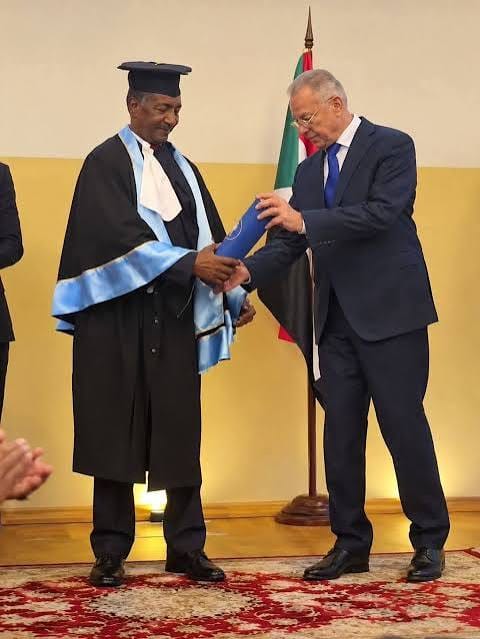
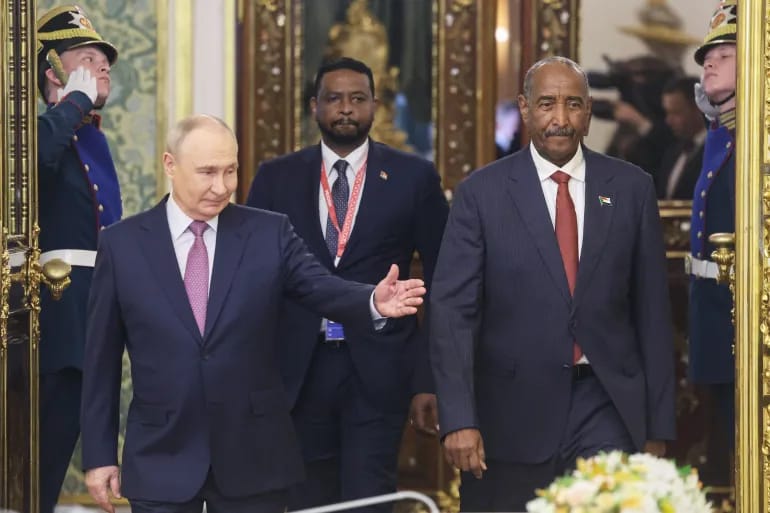
Moscow (Sudanow) — The Russian State University for the Humanities in Moscow has awarded Sudan’s Transitional Sovereignty Council Chairman and Commander-in-Chief of the Armed Forces, General Abdel Fattah Al-Burhan, an honorary doctorate in recognition of his efforts to strengthen Sudanese-Russian relations and promote cooperation between the two countries in the cultu...
More-
25 October, 2026
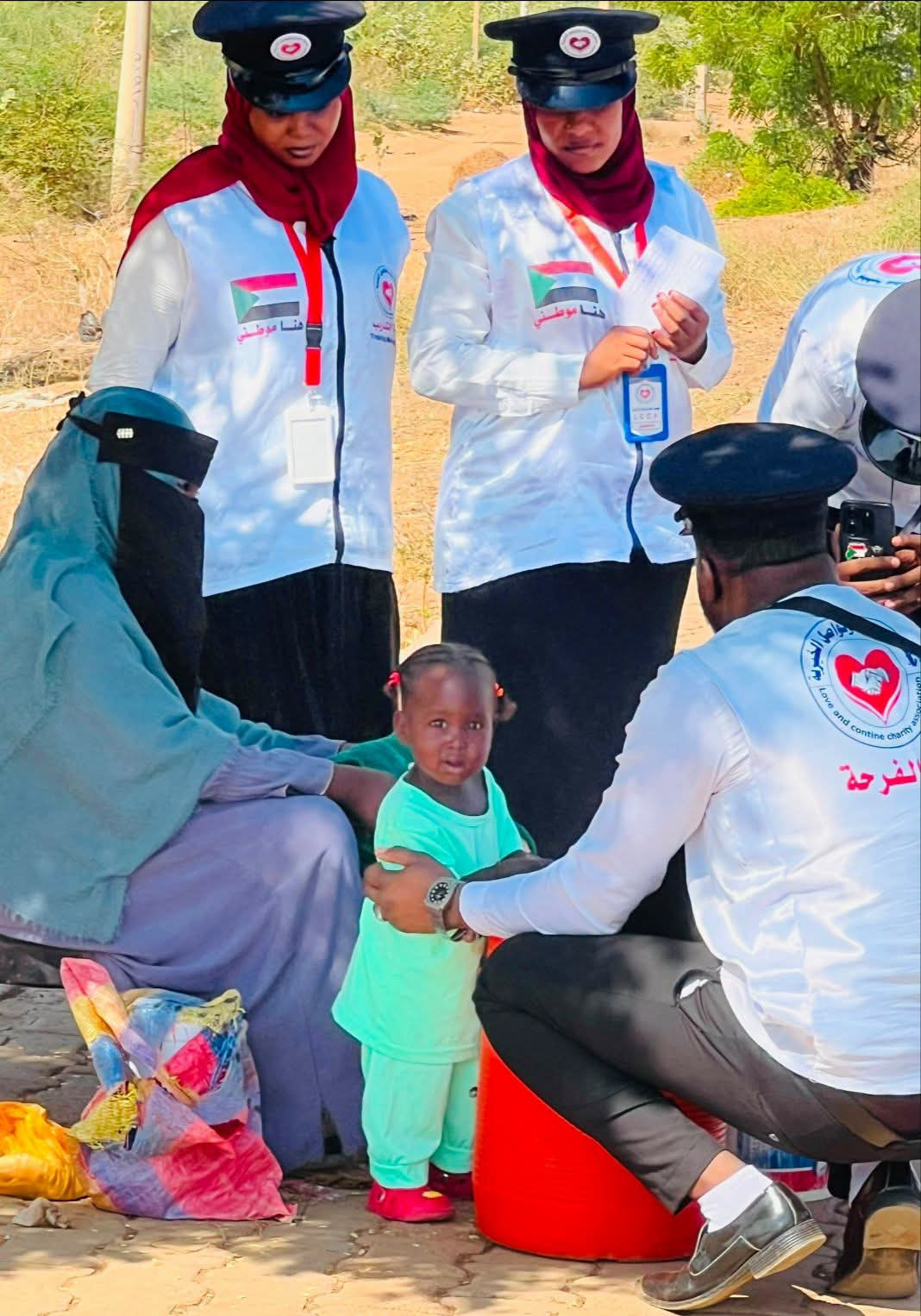
Tales from the Battlefield “Rest Tonight, Mum”: A Compassionate Gesture That Moved Social Media and Wiped Away a Strugg
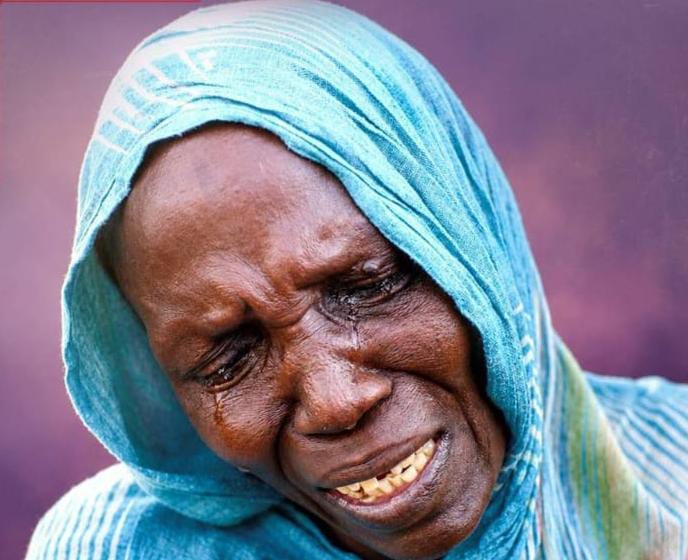
A humanitarian initiative goes beyond providing assistance to help build hope Dr Sarah: The war has driven mothers into the markets in search of a livelihood. A video shared on social media has touched the hearts of users, capturing a moving act of kindness by young volunteers from the “Rest Tonight, Mum” initiative. The group reached out to a Sudanese woman displaced from Darfur who struggles to support her family...

Contact Us

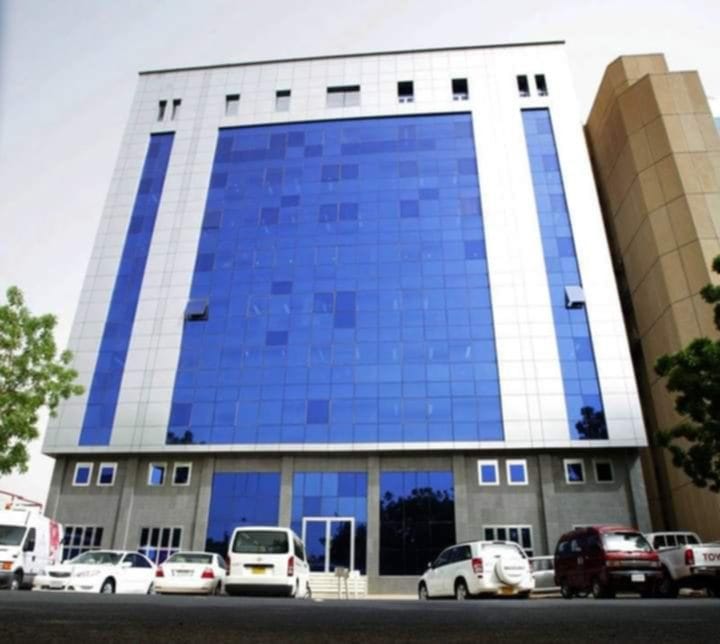
Address: Sudan News Agency (SUNA) Building, Jamhoria Street, Khartoum - Sudan
Mobile:+249 909220011 / +249 912307547