

From Tourism to Tragedy... Marshal Reserve Tells the Story of a Nation
22 November, 2026
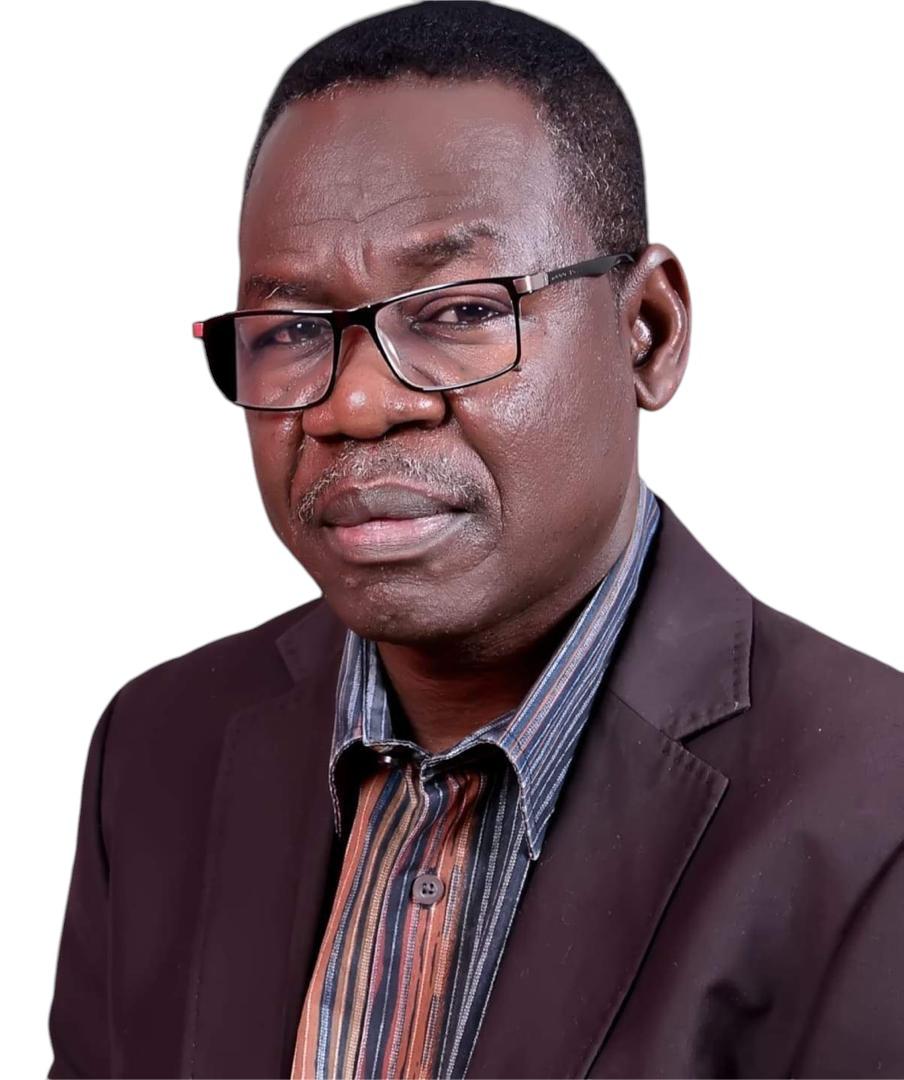
Khartoum (Sudanaow Magazine) - In the heart of the capital Khartoum, specifically in the upscale Al-Taif neighbourhood, a young Sudanese man succeeded in turning his childhood dream and hobby of raising birds into a unique environmental and tourism project in Sudan and the region. It is the Marshal Nature Reserve, which had become a destination for visitors, embassies, and international channels, before the hand of war reached it and it was destroyed by the Rapid Support Forces militia. "Sudanaow" magazine met its founder, pharmacist Dr. Akram Yahya Al-Tahir, in an interview mixed with sadness and hope.
The first question was how was the period he spent in Khartoum State under the grip of the militia?. He answered in a very sad voice. Dr. Akram Yahya Al-Tahir said that when he recalls those four months he spent at the outbreak of that rebellion, he recalls days full of fear and real terror inflicted on them by the Rapid Support Forces militias, especially as they lived a stone's throw away from their detention centres in Al-Riyadh city.
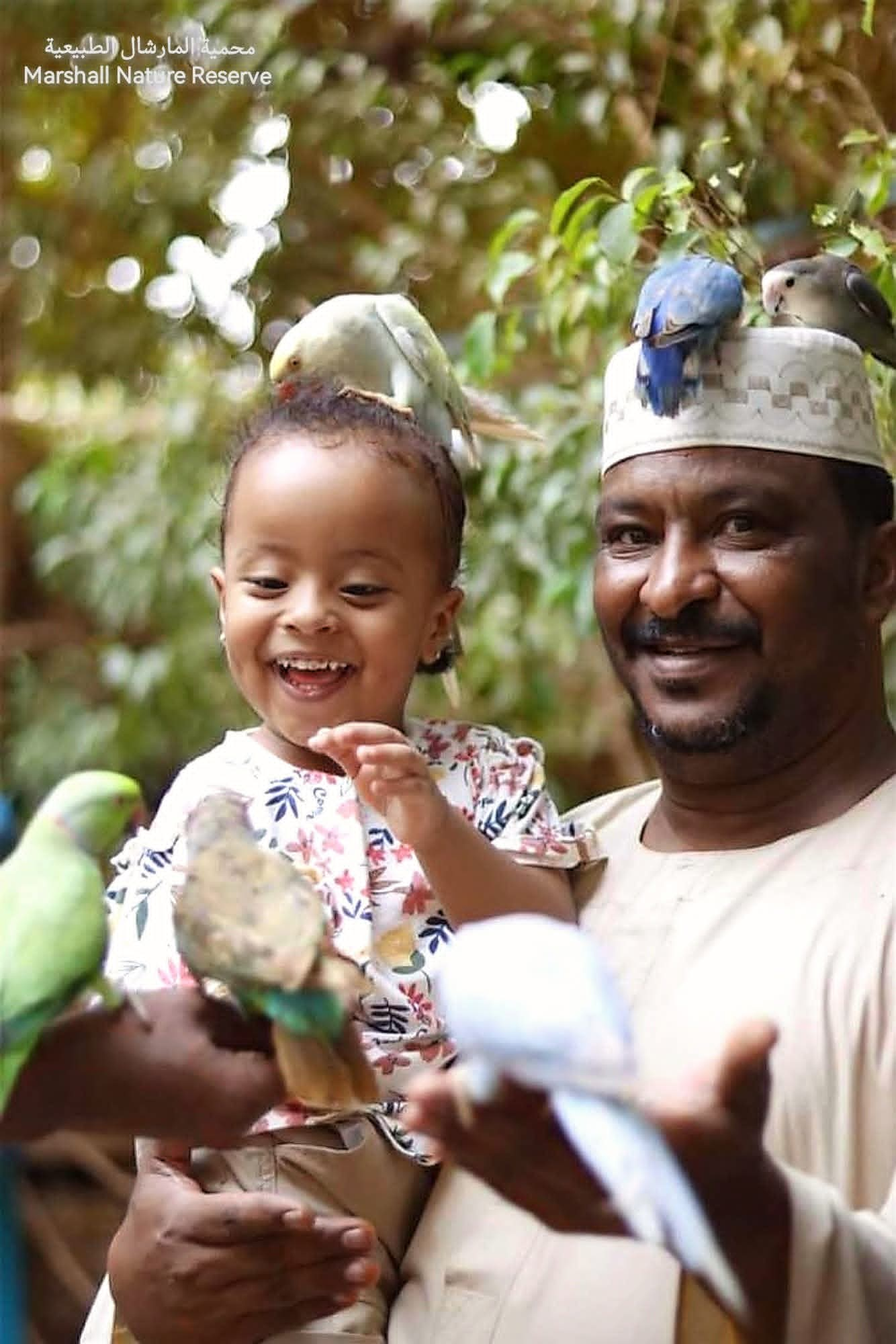
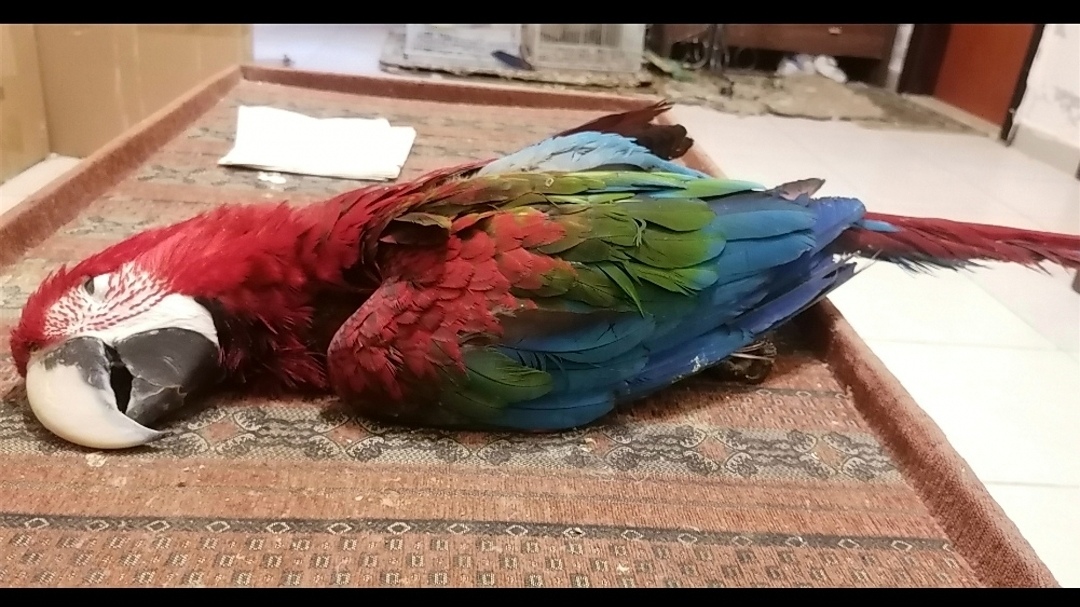
Dr. Akram Yahya said he may forget, but he will never forget that the reason that pushed him to leave Khartoum was that the militia forces completely destroyed the reserve, uprooting trees from their roots and burning the other part, and even shooting the birds and killing them, when they failed to arrest him.
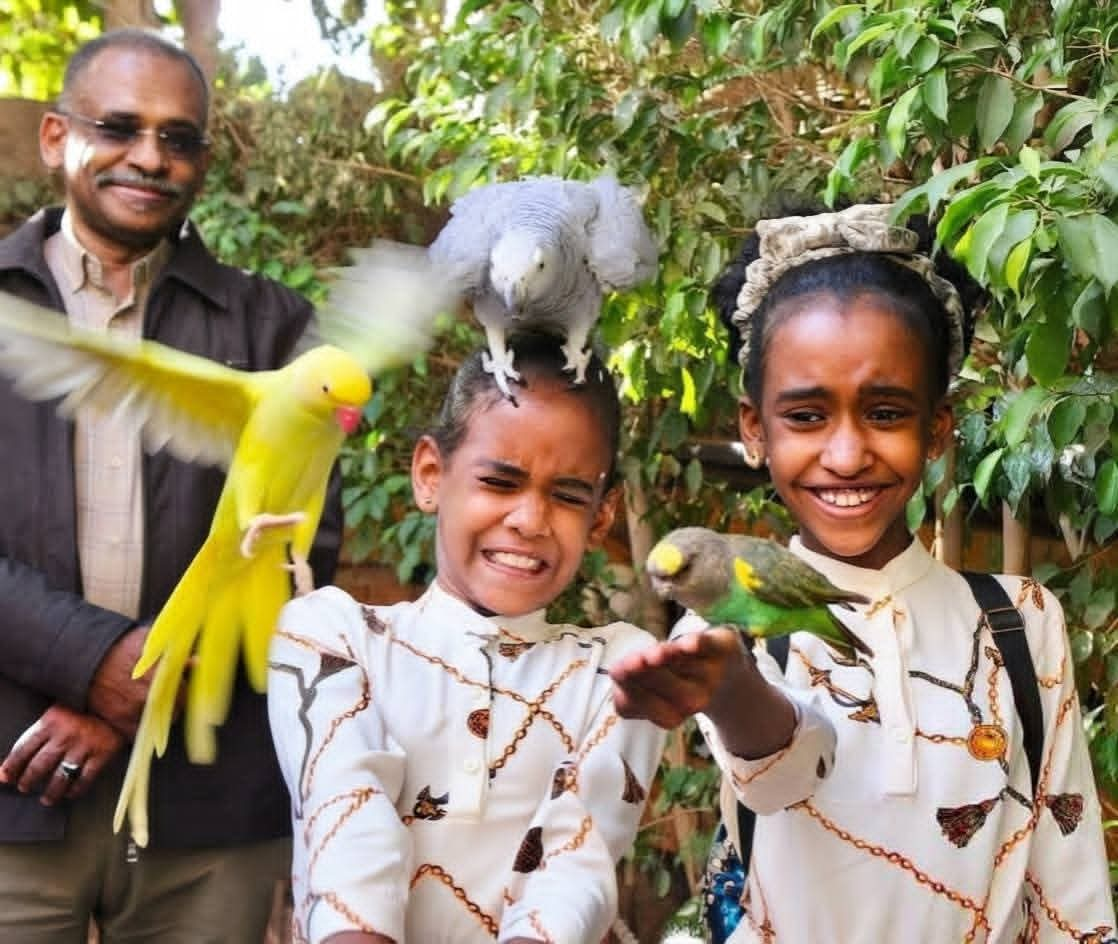
He added that he was hiding at his neighbour's house at that time, but when he saw what had happened to the reserve, he felt great sadness and disappointment, because the first and last reason that made him endure the risks and stay in Khartoum was his love for those birds. As he said those words, tears were streaming from his eyes. After that, he decided to leave not only Khartoum but Sudan altogether.
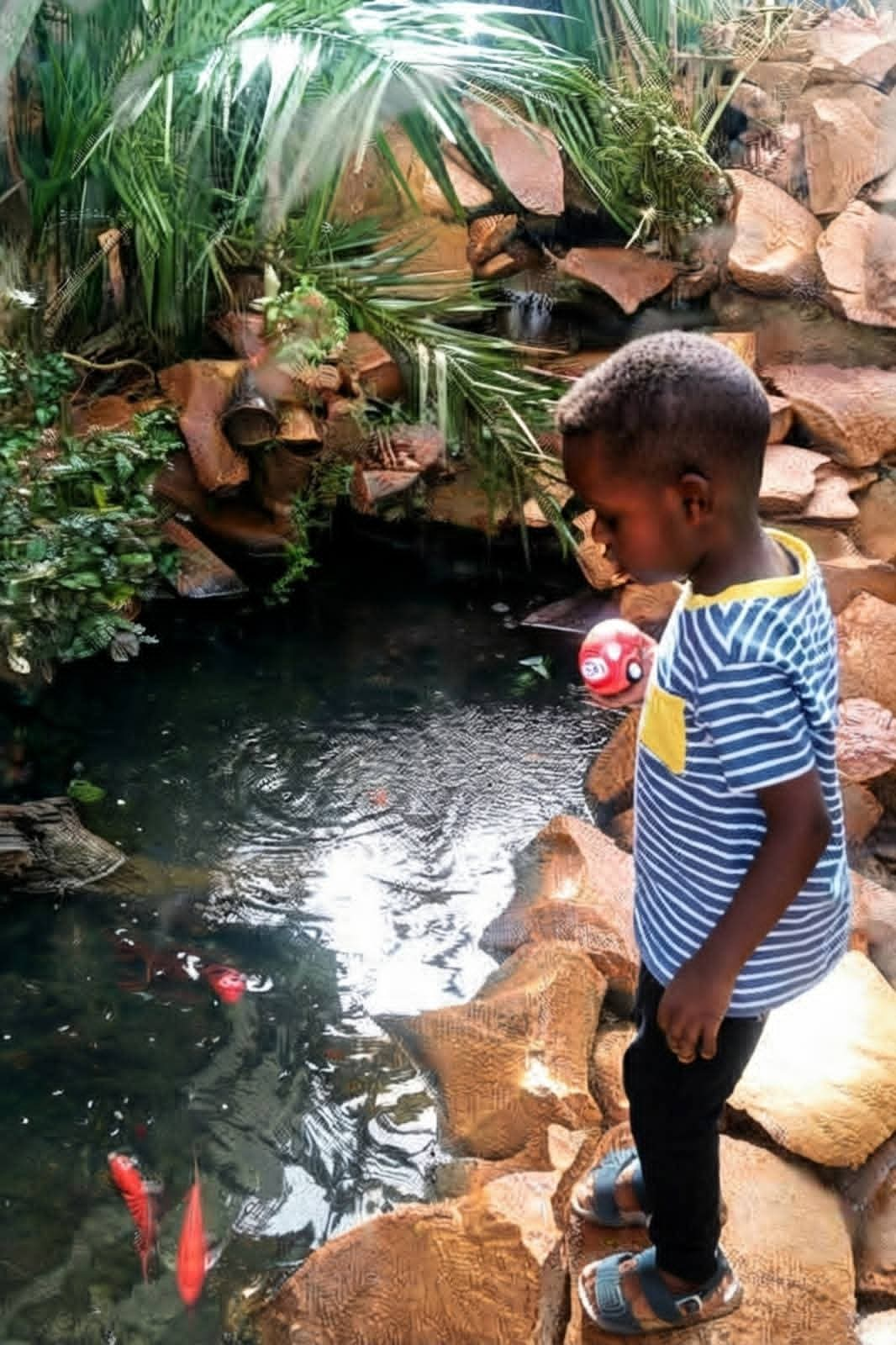
He continued, saying that he had not been able to make the decision to leave before that because he considered these birds like his own children in terms of affection and care, although he did not deny that when he first entered this field, it was only as a hobby, then it became a source of livelihood and fame for him, but little by little, the love of birds took over his entire heart and life.
When the (Sudanaow) correspondent asked Dr. Akram Yahya about the future of the reserve, he answered in a tone full of hope and defiance: "At the present time, rebuilding the reserve is very difficult, but not impossible, unless I find real support from those interested in both the private and public sectors alike, in addition to international organisations concerned with the environment in general and birds in particular. This is for a number of reasons, the first of which is the very large increase in the prices of materials used in reconstruction, and some of those materials have become unavailable in the local market, and most of those birds, if not all of them, I need to import from outside the continent, in addition to the need for international expertise in rehabilitating their behaviour in dealing with each other on one hand and with visitors on the other."
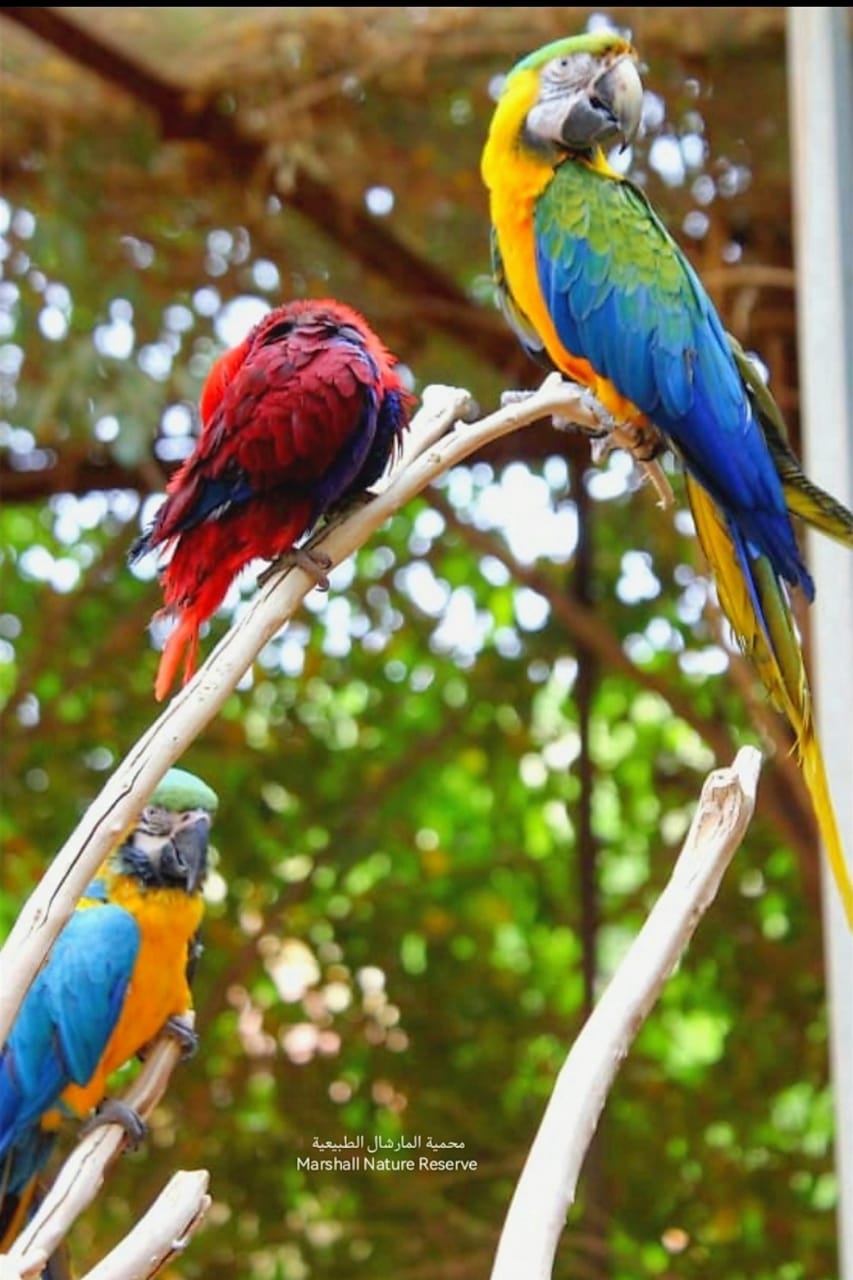
Meanwhile, the expert in the ornamental bird trade, Mohamed Abdullah, did not rule out rebuilding the reserve to its former glory, but he stipulated the provision of large financial resources to achieve that goal, justifying that, based on his work in the bird trade, some birds are imported from South America, while fish are imported from Japan. Naturally, achieving this requires a lot of money.
Mr. Malik Mohamed Al-Hassan Othman, one of the ornamental bird breeders, also added that what Dr. Akram has done is considered an unprecedented work by all standards, not only at the level of Sudan but at the level of the Arab and African region. Mr. Malik Mohamed Al-Hassan called on the state to hasten to adopt a project to revive the Marshal Reserve, given what the reserve has come to represent in the hearts of nature lovers.
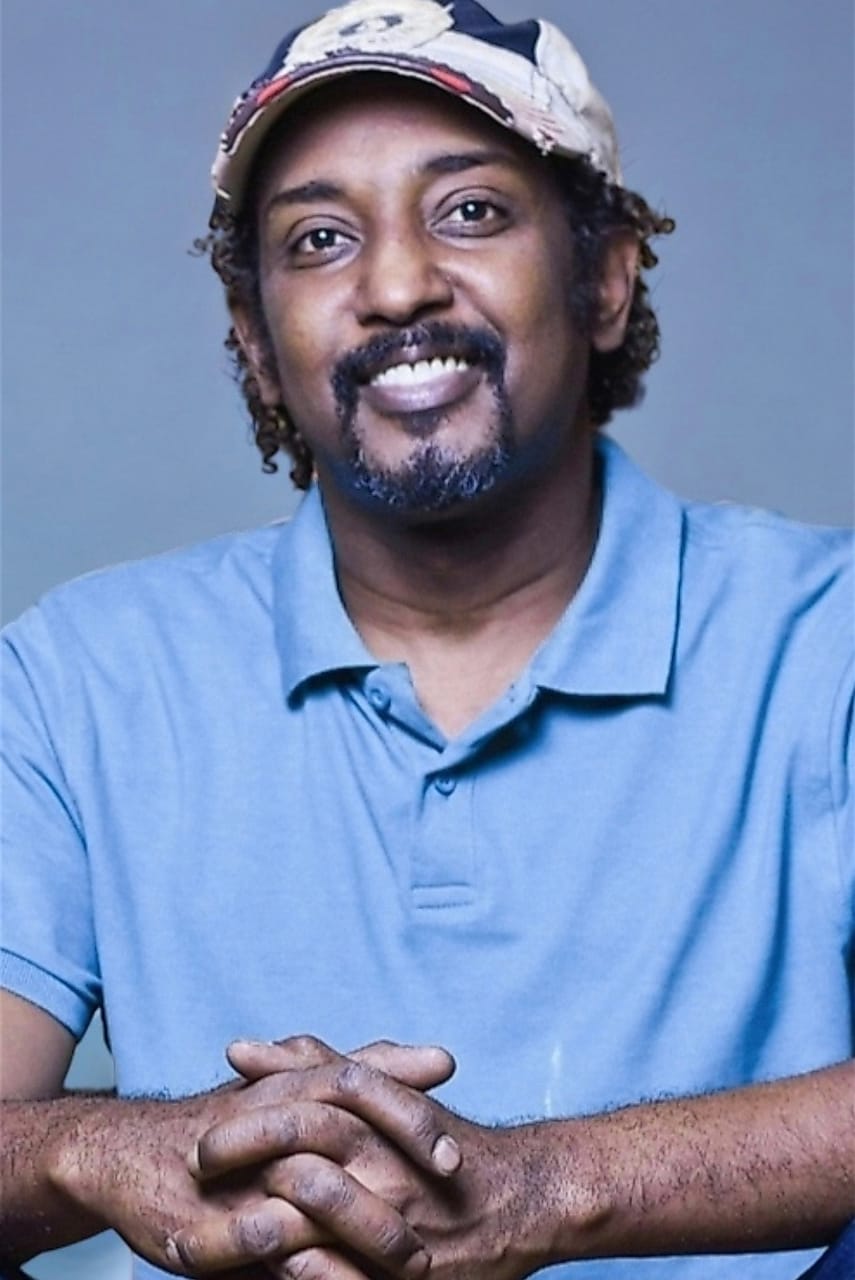
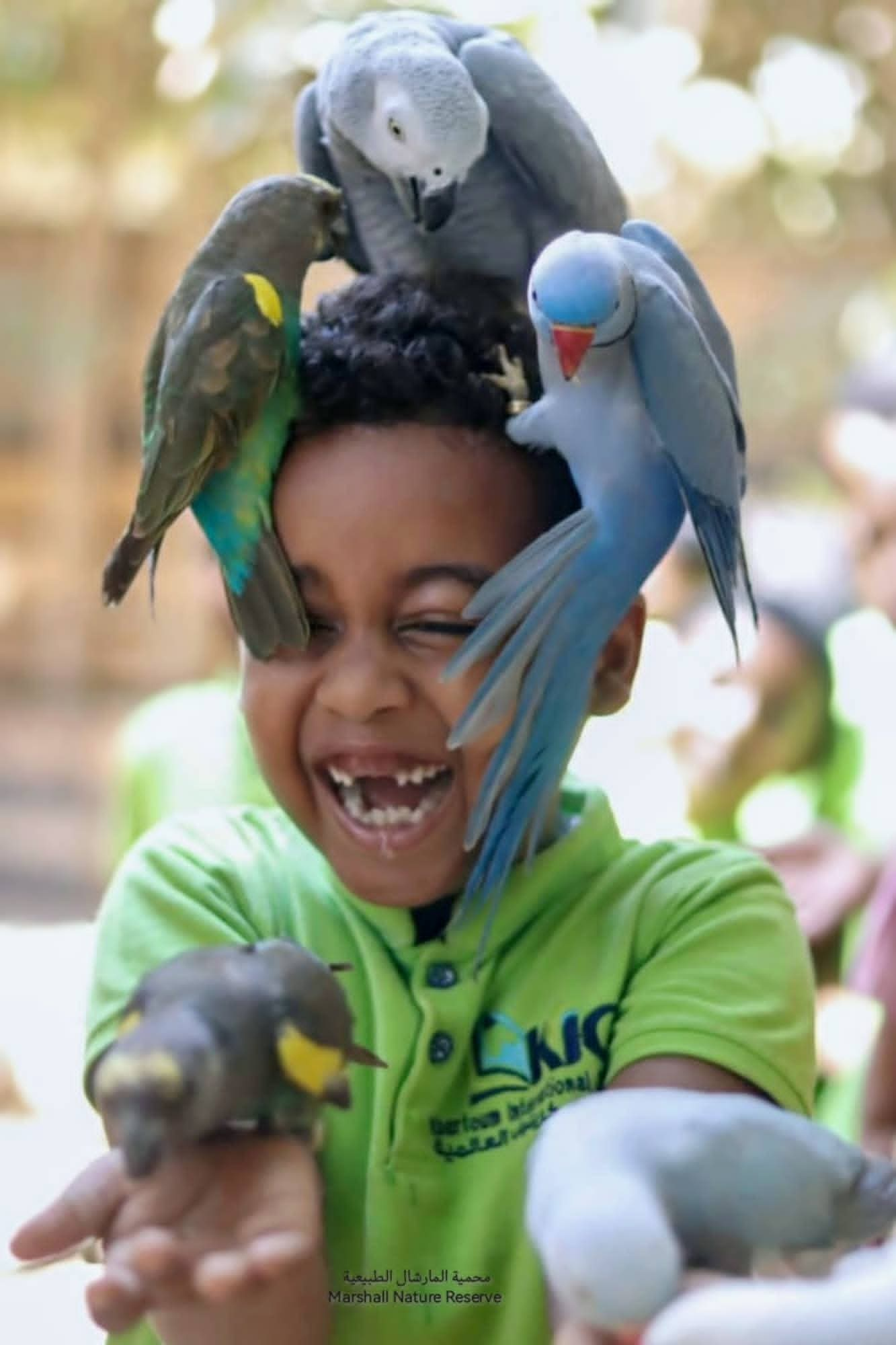
It is worth noting that the Marshal Nature Reserve was built on an area of 400 square metres in the Al-Taif neighbourhood, east of Khartoum State, and Al-Taif is one of the upscale neighbourhoods built recently. The reserve included more than 37 different species of parrots, in addition to Japanese koi fish living in a pond that relies on a bio-filtration system. The reserve attracted the attention of more than 240 television and satellite channels around the world as a successful model combining environment, tourism, education, and entertainment.
Regarding the total amount spent on the reserve, Dr. Akram stated that it is currently difficult to know the value of the reserve before the war due to the damage and loss of expenditure documents as a result of the destruction that befell it. But from memory, he answered that an amount of $150,000 was spent on building the reserve's infrastructure alone, and also from memory, "the last group of rare birds imported days before the outbreak of the war was worth $37,000."
He continued in his narration: "Not to mention the amounts spent on operating the reserve (electricity, water, and food), apart from the amounts spent on experts who worked on training those birds and making them interact in a friendly manner with visitors or with each other, for some birds feed on grains and others live on meat."
Regarding the idea for which the reserve was established, Dr. Akram Yahya explained that it is to improve the climate within a specific geographical scope, provide a recreational space combining science and enjoyment, help relieve life pressures and enhance psychological comfort, in addition to producing ornamental birds, parrots, and fish.
He added that the current reality left by the war forces us to go beyond the idea to achieve direct goals, represented in forgetting the tragedies, sorrows, and bitterness left by the war, building environmental awareness among new generations, introducing them to the natural heritage and the importance of preserving it, and spreading a culture of peace, love, and coexistence.
The founder of the reserve also explained that the reserve, in its essence, presents a message that the environment is not a luxury, and that caring for nature can turn into education, tourism, investment, and an opportunity to improve the quality of life.
To find out the extent of the popularity achieved by the reserve among the residents of Khartoum State as an entertainment destination and an educational and environmental space, Dr. Akram Yahya stated that there are large numbers of students and children representing 216 educational institutions, including schools, kindergartens, and nurseries, in addition to extensive visits from Sudanese families.
He also confirmed that the reserve had become a prominent landmark for foreign visitors in Khartoum, whether they were diplomats, organisation employees, or even flight attendants and pilots, stressing that a number of tourists reached it based on recommendations from their countries' embassies, so that Sudanese nature itself became part of the tourism experience the visitor is looking for.
Mr. Moataz confirmed this point through his work in the field of international voluntary organisations, adding that he is often asked by those who have recently arrived in Sudan and have joined a voluntary organisation to go with them to visit the Marshal Nature Reserve, because of the stories they heard about the beauty of its birds and the diversity of its environment from their former colleagues.
The story of the Marshal Reserve is not just a story of rare birds and fish, but it is the story of a purely Sudanese dream destroyed by war in a moment. Despite the scale of material and moral loss, Dr. Akram Yahya's insistence remains proof that love of nature is stronger than militia bullets. Will his cry find listening ears from the state and international organisations to bring this environmental edifice back to life again?.
Post your comments
Photo of the Week
Khartoum (Sudanaow Magazine) - In the heart of the capital Khartoum, specifically in the upscale Al-Taif neighbourhood, a young Sudanese man succeeded in turning his childhood dream and hobby of raising birds into a unique environmental and tourism project in Sudan and the region. It is the Marshal Nature Reserve, which had become a destination for visitors, embassies, and intern...
More-
16 November, 2026
Tales of Return Civil Registry Recovers Its Entire Database Despite War Destruction
A significant step forward:Reviewing civil records and refining National Identification Numbers to safeguard national identity. Major General Iqbal Mansour: Data recovery has enabled the continuation of services and the resumption of registration. Lieutenant General Dr. Jalal Tawar: Hails the thwarting of militia plans. Sudan’s Civil Registry has fully recovered its database despite the damage inflicted on its a...

Contact Us

Address: Sudan News Agency (SUNA) Building, Jamhoria Street, Khartoum - Sudan
Mobile:+249 909220011 / +249 912307547