

The Army Advances Steadily as Citizens Celebrate Victories
22 November, 2026
West Kordofan: “He Has Secured Them from Fear”
The reception of advancing forces carries multiple messages: reassurance, safety and renewed hope. Citizens rejoice over the death of militia commander Abdel-Baqi Nasser, reflecting deep-seated grievances and injustices. Restoring rights, services and social cohesion remains a major challenge.
Ambassador Fath Al-Aleem: Liberation Marks the Return of Life to the Body
Sudanow
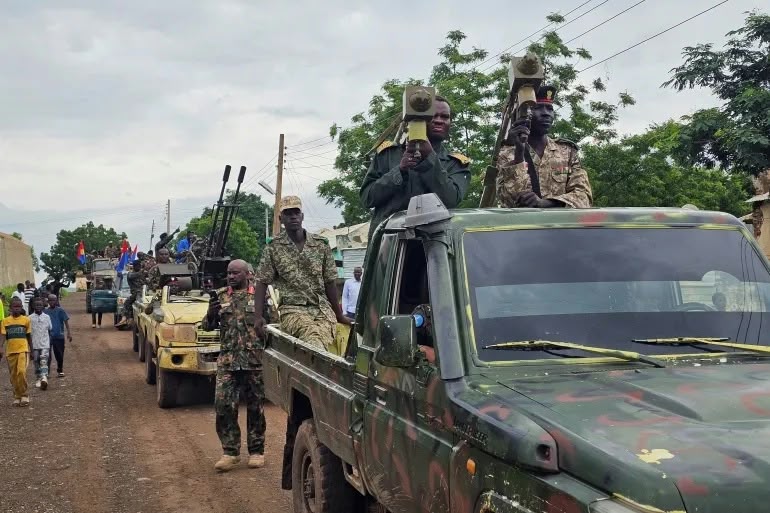
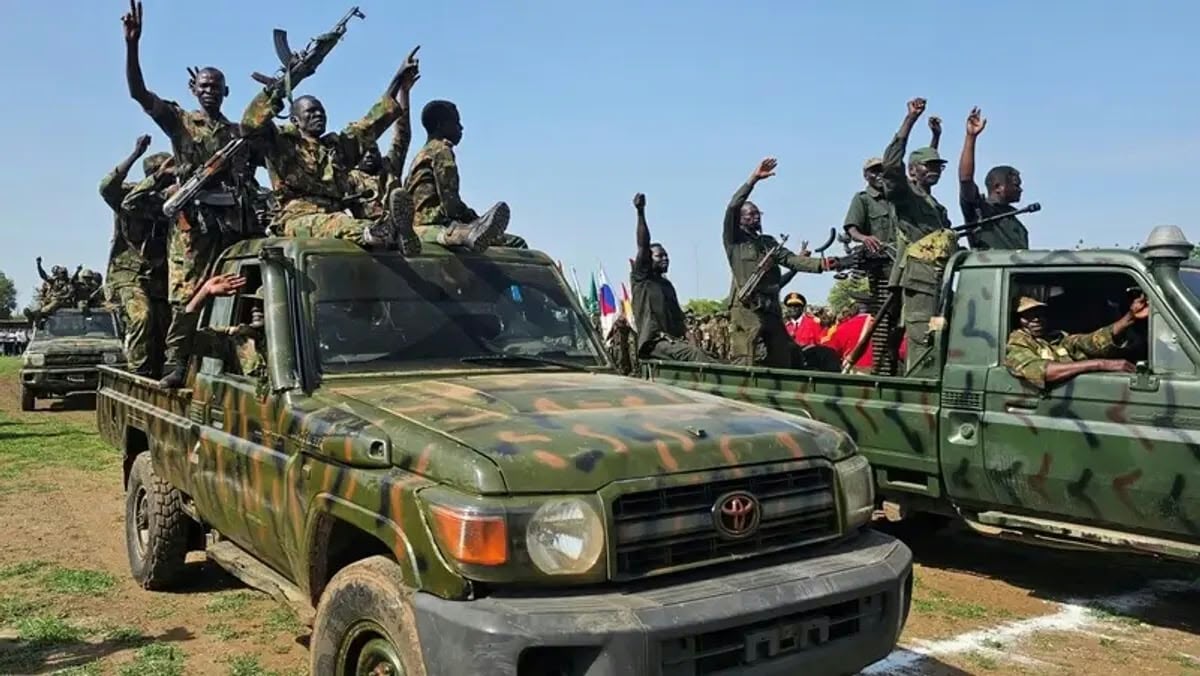
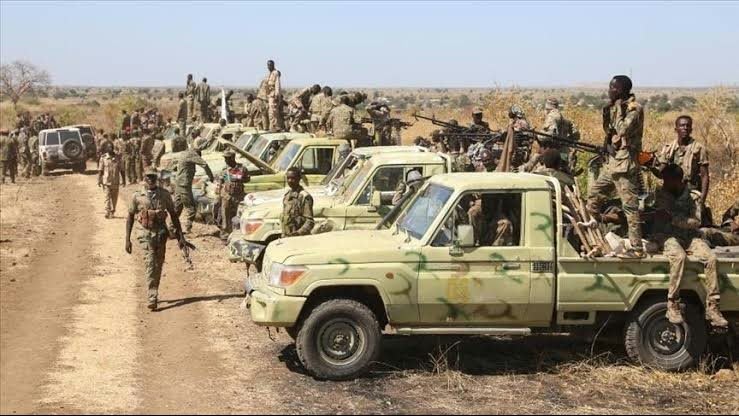
Celebrations continue across parts of West Kordofan as residents welcome the Sudanese Armed Forces, joint forces and supporting formations advancing steadily along the Kordofan front, following gains in the Dar Hamar areas, including the entry into Al-Khuwei locality and surrounding areas.
The scenes reflect residents’ aspirations to restore security and peace after years of fear and violations under the Rapid Support Forces (RSF) militia. The reception of these forces carries profound humanitarian significance, shaped by the suffering inflicted by the war and people’s expectations of protection for their lives and property, the return of state institutions, and the resumption of normal life.
An Outlet for Years of Pain
The scenes of residents welcoming the Sudanese Armed Forces, joint forces and supporting formations in Al-Khuwei, Dar Hamar and surrounding areas reflect the changes unfolding in the region after years under RSF control.
Having endured harsh conditions and constant fear for themselves, their families and their property, residents view the arrival of the forces as a development directly linked to their security and future stability. Their overwhelming joy reflects an urgent need for protection, an end to fear, and a return to normal life.
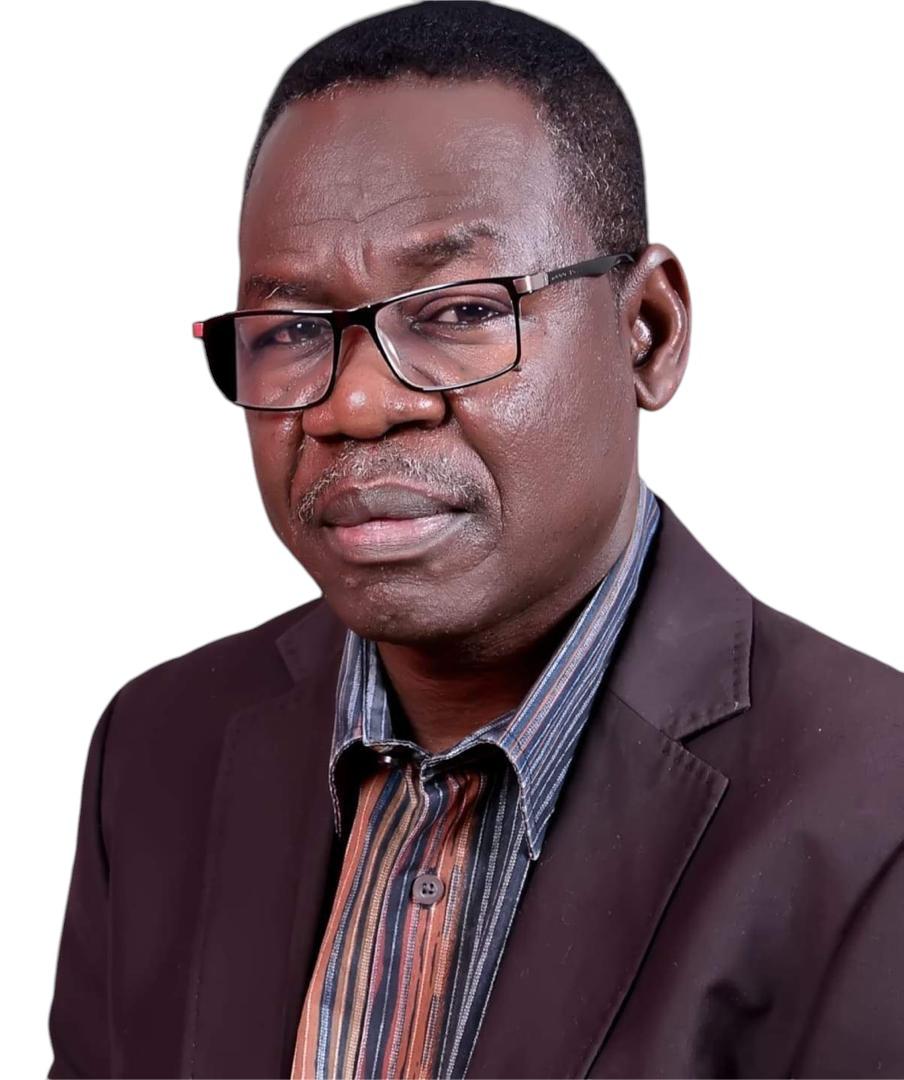
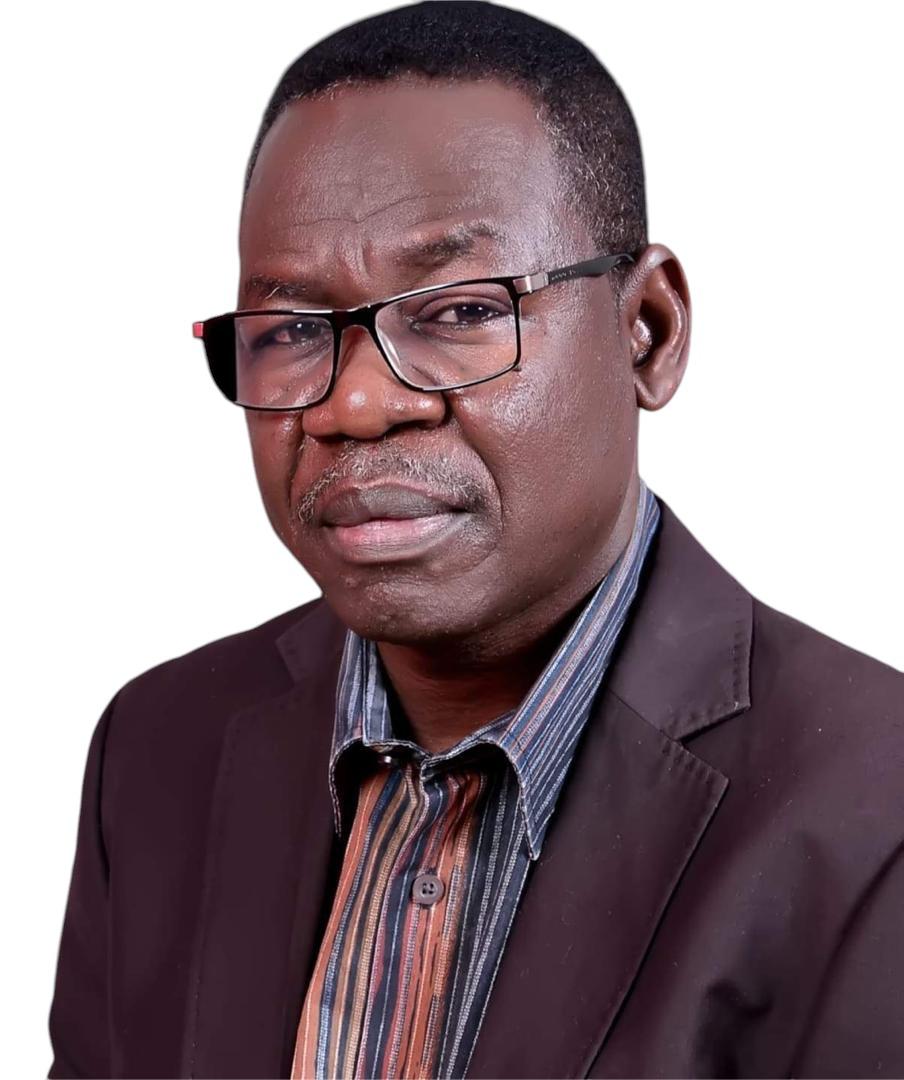
Diplomat and conflict-resolution expert Ambassador Nader Fath Al-Aleem says the spontaneous reception of the Sudanese Armed Forces and supporting forces in Al-Khuwei and other areas returning to state control is a natural expression of renewed security and reassurance after more than a year in which fear dominated people’s lives.
In comments to Al-Karama, Fath Al-Aleem said residents had lived amid the absence of oversight and accountability for militia violations, while the group was preoccupied with looting, robbery and killing.
He added that people in these areas had experienced profound disappointment after finding themselves under the control of groups that lacked discipline and accountability, making the return of regular forces synonymous, in their eyes, with renewed protection and the presence of state institutions fulfilling their responsibilities toward citizens.
“They Burned Our Hearts”
Social media platforms and timelines were deeply moved by a poignant statement made by a woman in Ankoush, administratively part of Al-Khuwei locality in West Kordofan, as she welcomed the Sudanese Armed Forces, joint forces and supporting formations.
“They burned our hearts,” she said, expressing in a few spontaneous words the scale of loss and violations experienced by families and communities across Dar Hamar during the war.
In Sudanese collective memory, the expression conveys much more than passing grief. It describes the anguish of losing loved ones or seeing family, homes and sources of security exposed to harm.
The woman’s brief, heartfelt words captured a suffering that official statements and reports can hardly convey, particularly when it involves the loss of children and relatives, family displacement and the fear that has permeated every aspect of daily life.
She spoke in the voice of a Sudanese mother carrying the pain of an experience shared by countless families across Dar Hamar.
The Return of Dignity and Security
Ambassador Nader Fath Al-Aleem, a conflict-resolution expert, describes the return of the Sudanese Armed Forces and supporting forces to Al-Khuwei and other areas as a restoration of security and reassurance after residents spent a prolonged period fearing violations and crimes committed by the RSF militia.
He said the looting, robbery, killing and intimidation endured by residents reflected a lack of discipline and accountability, stressing that the protection of civilians, women, children and civilian infrastructure is an inherent obligation under international humanitarian law for all parties to the conflict.
The return of these areas, he added, is not merely about regaining territorial control. It also represents an opportunity to restore citizens’ confidence in their country and its institutions, and in the ability of regular forces to protect them, monitor violations and hold rogue elements accountable.
Fath Al-Aleem summed up the significance of this transformation in a striking phrase:
“The return of these areas is the return of life to the body and the restoration of dignity within a homeland that embraces everyone.”
His statement places the human dimension at the heart of developments on the ground, emphasizing that the significance of reclaiming territory is ultimately measured by whether people can return to their lives in safety and peace.
He believes the greatest challenge following the restoration of control is protecting civilians and securing their lives and property — a responsibility no less important than the military operations themselves.
Residents who have endured years of war now expect developments on the ground to translate into tangible improvements in their daily lives, including protection, essential services and conditions that enable them to resume normal activities.
Public Anger
One of the most widely discussed scenes on social media was a circulating video showing some residents interacting with the body of militia commander Abdel-Baqi Nasser, whose name has been associated with allegations of widespread crimes and violations against residents of Dar Hamar, including torture, intimidation and assaults on civilians.
Observers believe the footage reflects the depth of public anger fueled by years of grievances and painful experiences, particularly among families who lost loved ones or suffered violations affecting their members and property.
Understanding the roots of public anger, however, does not justify violating the dignity of the dead or endorsing acts of revenge.
True justice requires documenting violations, uncovering the facts and holding anyone proven responsible accountable through judicial institutions and in accordance with the law.
Justice and the rule of law remain the surest path to vindicating victims’ rights and protecting society from reproducing cycles of violence and retaliation. The grievances left by war must not become the foundation for new conflicts that threaten the future of coexistence and stability.
The Crucial Challenge Ahead
Ultimately, the reception given to the Sudanese Armed Forces, joint forces and supporting formations across West Kordofan places a shared responsibility on all concerned: moving from reclaiming territory to restoring lives.
A citizen who has endured years of fear and violations expects more than a change on the battlefield. They want a safe home, protected rights, accessible services, a stable source of livelihood, and justice for victims that prevents the tragedy from recurring.
The restoration of territory acquires its true meaning when people feel they have returned to a homeland that protects them, safeguards their dignity and restores their right to live in safety.
That is the battle that follows the battles — and the true test of whether security and stability can return to West Kordofan.
Post your comments
Photo of the Week

Khartoum (Sudanaow Magazine) - In the heart of the capital Khartoum, specifically in the upscale Al-Taif neighbourhood, a young Sudanese man succeeded in turning his childhood dream and hobby of raising birds into a unique environmental and tourism project in Sudan and the region. It is the Marshal Nature Reserve, which had become a destination for visitors, embassies, and intern...
More-
16 November, 2026
Tales of Return Civil Registry Recovers Its Entire Database Despite War Destruction
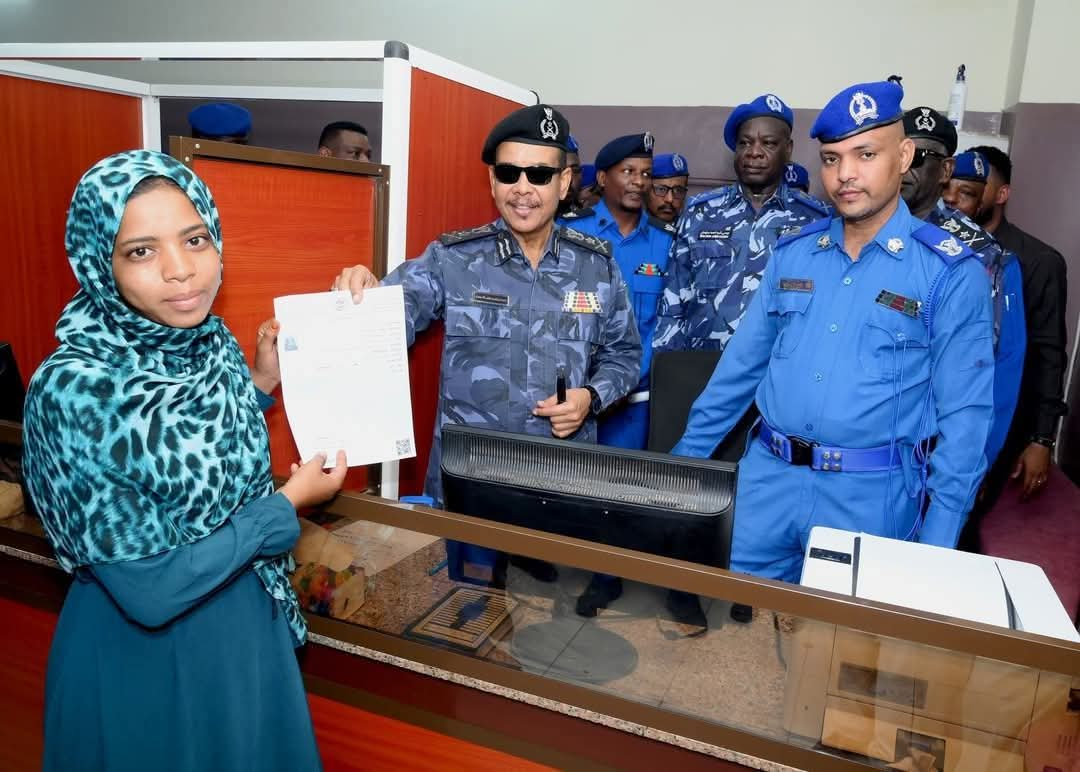
A significant step forward:Reviewing civil records and refining National Identification Numbers to safeguard national identity. Major General Iqbal Mansour: Data recovery has enabled the continuation of services and the resumption of registration. Lieutenant General Dr. Jalal Tawar: Hails the thwarting of militia plans. Sudan’s Civil Registry has fully recovered its database despite the damage inflicted on its a...

Contact Us

Address: Sudan News Agency (SUNA) Building, Jamhoria Street, Khartoum - Sudan
Mobile:+249 909220011 / +249 912307547