

The Passing of Artist and Researcher Yahya Adrob: A Guardian of Eastern Sudan’s Musical Heritage
22 November, 2026
Yahya Adrob carried the heritage of Eastern Sudan into the wider landscape of Sudanese music, transforming musical diversity into a message of cultural connection and unity ..
Port Sudan (Sudanow)
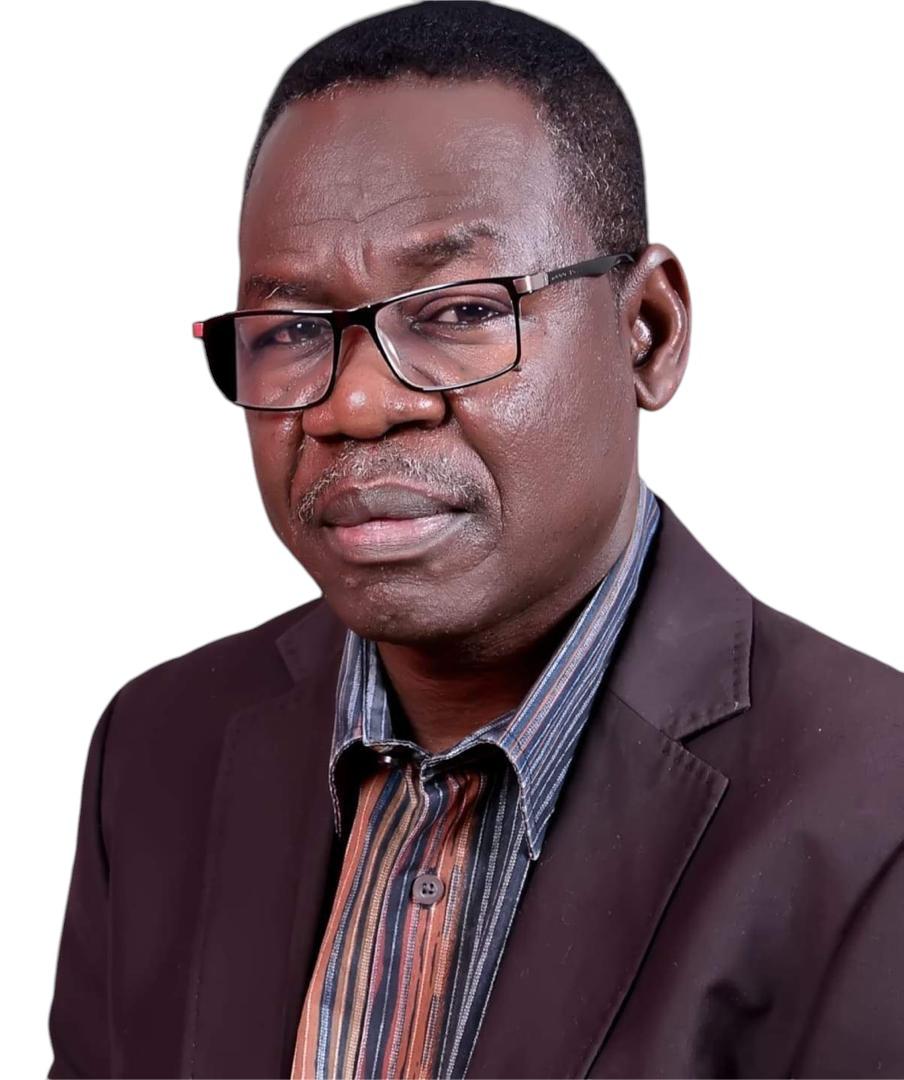
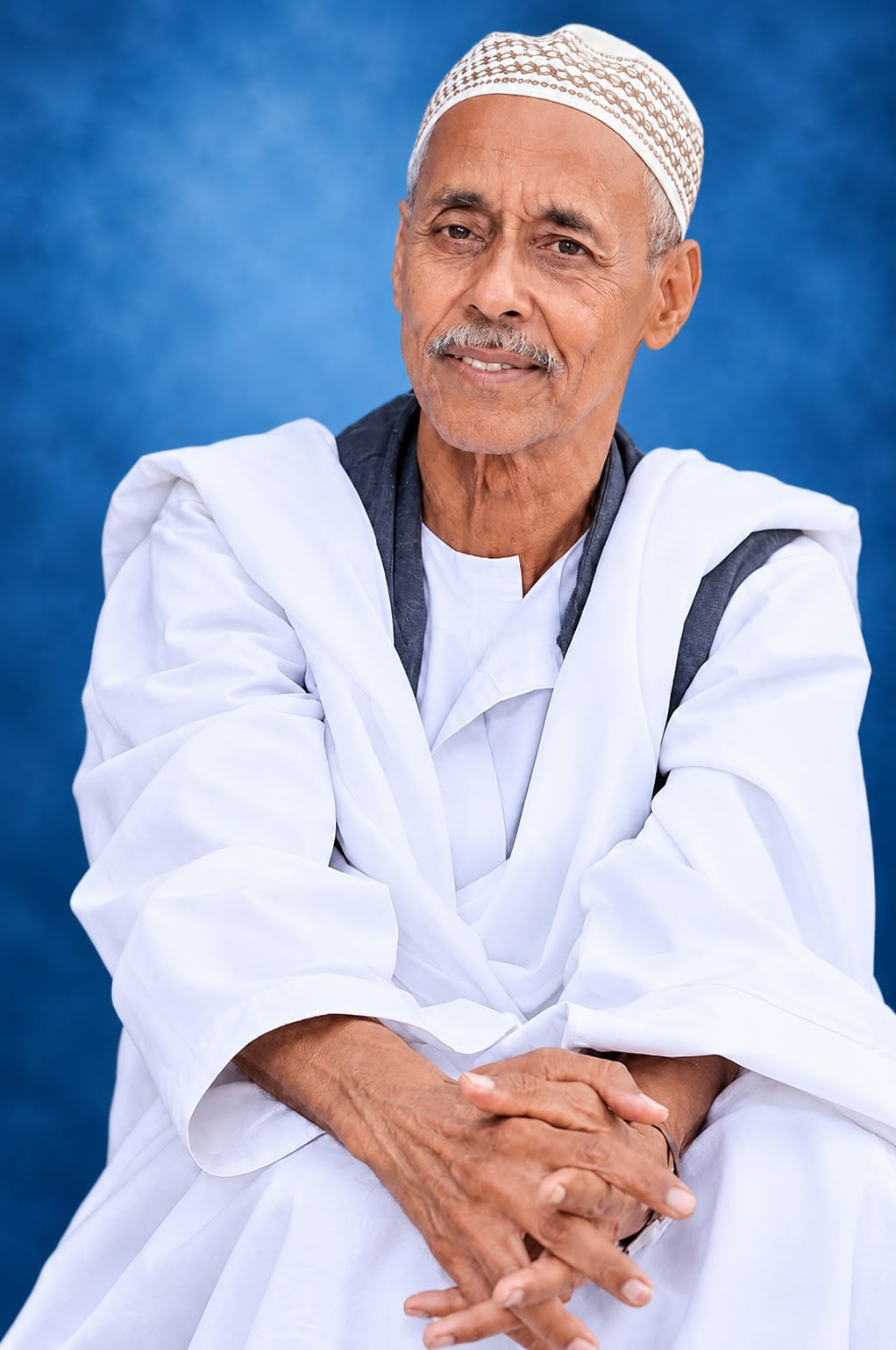
Grief hangs over the city of Port Sudan as it bids farewell to artist, musician, and heritage researcher Yahya Ibrahim Ahmed Adrob, one of the foremost guardians of its creative memory. Adrob succeeded in bringing the story of Eastern Sudan to the broader landscape of Sudanese music through his authentic melodies and his dedication to documenting Beja heritage and introducing it to wider audiences. With his passing, Sudan loses an artist who combined talent and knowledge, and who transformed music into a space for cultural communication and a message celebrating diversity and unity.
Adrob was not merely a singer whose interests were confined to performance and entertainment. He combined academic musical training with a passion for research and documentation, believing that heritage is not simply a memory of the past, but a living creative resource worthy of study, development, and presentation to younger generations.
From Goz Rajab to the World of Music
Yahya Ibrahim Ahmed Adrob was born in 1963 in the village of Goz Rajab East, in the Atbara River area of Kassala State. He grew up in an environment where folk memory intertwined with rhythms and songs passed down through generations. His relationship with music began in childhood, shaped by what he heard in his social surroundings. Literary societies during his secondary school years later helped refine his abilities.
In a 2015 press interview, he recalled attending music classes alongside his brother at the Institute of Education. He also reflected on his participation in the 1980 School Competition, which marked one of the early milestones in his artistic journey.
Despite his family’s reservations about his choice to study music, he initially enrolled in the Faculty of Arts at the University of Khartoum before moving to the Higher Institute of Music and Drama, where he specialized in music and studied voice and piano. He eventually took over the leadership of the institute’s orchestra. His academic training deepened his understanding of musical structures, artistic schools, performance techniques, and arrangement, all of which later influenced his approach to studying and documenting heritage.
Beja Heritage: A Project Beyond Singing
Adrob explained that his decision to join the institute was not simply driven by a desire to pursue singing professionally, but by a determination to acquire the intellectual and academic tools necessary to document Beja heritage and introduce it to a wider audience. This marked the beginning of his cultural project, through which he approached Beja songs as repositories of social and historical memory, reflecting people’s lives, their environment, customs, and traditions.
His research interests later extended to other Sudanese regions after he discovered shared musical and rhythmic characteristics among different cultural groups, despite differences in languages and dialects. He believed that dialectal differences did not diminish the shared sense of rhythm, and that music revealed cultural connections transcending geographical boundaries and linguistic differences.
The Basankob: An Instrument and a People's Memory
The Basankob, locally known as a traditional form of rababa associated with Beja music, occupied a special place in Adrob’s research interests. He regarded it as a fundamental element of Eastern Sudan’s musical identity, possessing melodic and rhythmic characteristics worthy of study and documentation.
He pointed to certain similarities between the Basankob and the Arabic oud, while noting differences in playing techniques and influences shaped by the local environment and rhythms. This approach reflected his interest in connections between Arab and African musical cultures, and his vision of Sudanese music as a space for cultural interaction and cross-fertilization.
Through his research into the instrument and Beja songs, he sought to highlight the distinctive character of this heritage and emphasize that the artistic traditions of Eastern Sudan are not peripheral to national culture, but among its fundamental components.
From Beja Songs to the Wider Sudanese Musical Landscape
Despite his deep engagement with Beja heritage, Adrob did not confine himself to a single musical genre. He possessed extensive knowledge of Haqiba songs and the works of leading Sudanese artists, performing selections from their repertoire while drawing on his skills in playing, singing, and his understanding of maqamat and rhythms.
He recalled his early encounters with the songs of the late Khalil Farah, mentioning his performance of the song Fi Al-Dawahi (In the Suburbs) during the School Competition. He also spoke of his admiration for pioneering Sudanese singers and the support provided by musician Anas Al-Aqib at important stages of his artistic journey.
His repertoire included works by Khalil Farah, Osman Al-Shafie, Ibrahim Al-Kashif, Abdel Karim Al-Kabli, Abu Dawood, and others, while he remained committed to the authentic musical style he had brought with him from the East.
At the same time, he was determined to bring Beja songs to artistic platforms and media outlets in the capital, criticizing what he described as the “geographical isolation” that kept artistic experiences from the regions beyond the reach of nationwide audiences. He believed the goal was not personal fame, but rather to create space for Eastern Sudanese music and introduce its poets, writers, and artists to the wider public.
Innovation Without Abandoning the Roots
Adrob believed traditional songs could be developed through thoughtful experimentation and the incorporation of modern instruments, while preserving their original structures and distinctive character. He drew a clear distinction between development and distortion, stressing the importance of preserving the essence of a work, attributing it to its original creator, and safeguarding the creator’s artistic rights.
Among his experiments were songs combining Beja and Arabic, while retaining their original melodic and rhythmic structures. His aim was to broaden the reach of Eastern Sudanese music without compromising its identity. He believed the continuity of art depended on engaging with the present while remaining rooted in its origins.
Music as a Bridge to Diversity and Unity
Adrob firmly believed that music could bring Sudanese people together despite differences in languages and cultures. This conviction was reflected in his performances, which extended beyond the Beja language to embrace musical traditions from various Sudanese regions and communities.
Accounts of his artistic presence in Port Sudan describe his ability to move between songs and languages while introducing audiences to their cultural origins and creators, turning musical evenings into opportunities for cultural exchange and appreciation of diversity. On one occasion, he engaged in a musical joke with some members of the Islamic Movement’s senior figures, drawing on a song from their political heritage, which prompted laughter and applause.
This was not merely a display of his extensive musical repertoire, but an expression of his belief that Sudanese culture is shaped by multiple streams, and that art can bridge distances even between people with differing ideological and political convictions.
Art as a Message, and a Memory Worth Preserving
Adrob did not measure the success of his experience by publicity or fame, nor did he regard singing merely as a means of earning a living. He emphasized his commitment to study, his family, and his children, as well as his determination to fulfil his cultural responsibility toward the artistic traditions of Eastern Sudan. He was known for his passion for knowledge and his ability to transform ordinary gatherings into lively circles of conversation and exchange about music, heritage, languages, and folk stories.
Adrob passed away while his research project still held many dreams and unfinished tasks. He remained committed to documentation and research until illness overtook him. His passing raises important questions about the fate of Sudan’s musical heritage and about the songs, rhythms, instruments, and folk stories that remain undocumented, preserved only in the memories of storytellers and artists.
There is an urgent need for an institutional initiative to collect his recordings, works, and research, and to work with his family, friends, and students to establish a comprehensive archive that preserves his experience and makes it accessible to researchers and future generations.
Yahya Adrob carried his songs from Goz Rajab and Kassala to Port Sudan and Khartoum, opening himself, through his voice and oud, to Sudan’s heritage in all its diverse forms. He believed that pride in one’s cultural identity was the path to connecting with the wider world.
The true tribute to his legacy lies in completing the documentation project to which he devoted his life, preserving Eastern Sudan’s heritage, and granting it the place it deserves on Sudan’s cultural map, so that music may continue to serve as a bridge of familiarity, affection, and unity.
May Allah have mercy on the artist and researcher Yahya Adrob, and grant his family and loved ones patience and solace.
Post your comments
Photo of the Week

Khartoum (Sudanaow Magazine) - In the heart of the capital Khartoum, specifically in the upscale Al-Taif neighbourhood, a young Sudanese man succeeded in turning his childhood dream and hobby of raising birds into a unique environmental and tourism project in Sudan and the region. It is the Marshal Nature Reserve, which had become a destination for visitors, embassies, and intern...
More-
16 November, 2026
Tales of Return Civil Registry Recovers Its Entire Database Despite War Destruction
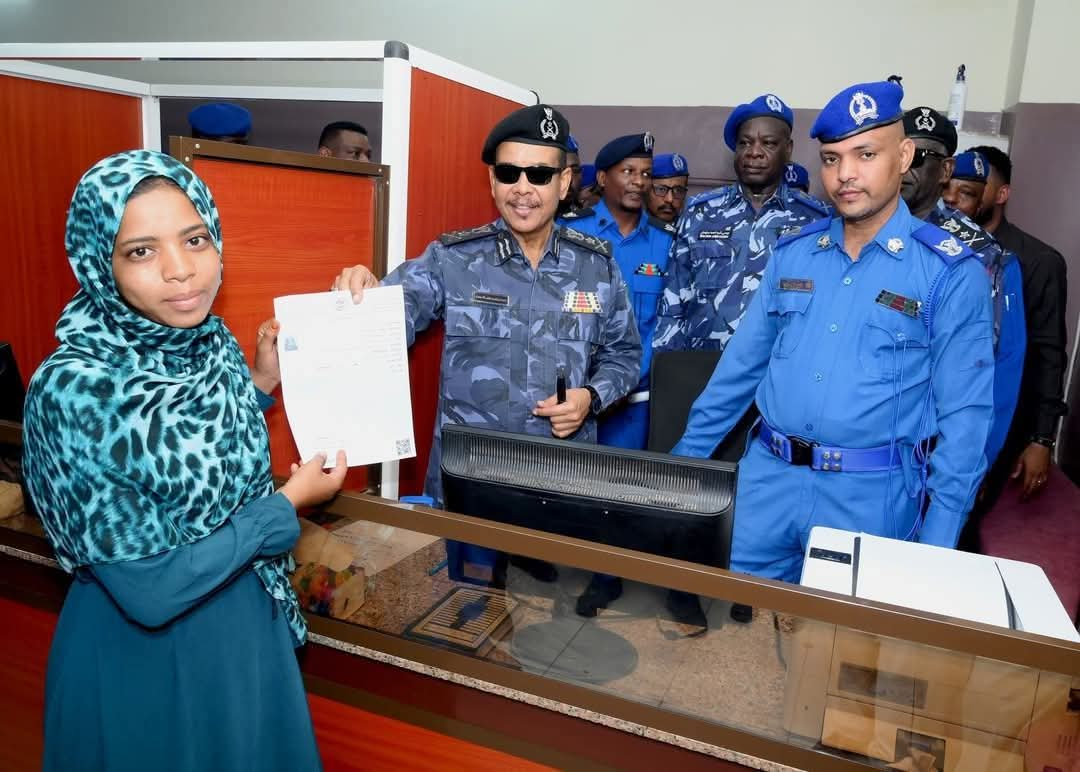
A significant step forward:Reviewing civil records and refining National Identification Numbers to safeguard national identity. Major General Iqbal Mansour: Data recovery has enabled the continuation of services and the resumption of registration. Lieutenant General Dr. Jalal Tawar: Hails the thwarting of militia plans. Sudan’s Civil Registry has fully recovered its database despite the damage inflicted on its a...

Contact Us

Address: Sudan News Agency (SUNA) Building, Jamhoria Street, Khartoum - Sudan
Mobile:+249 909220011 / +249 912307547