

COP31: Between Climate Promises and the Pessimism of Reality
22 November, 2026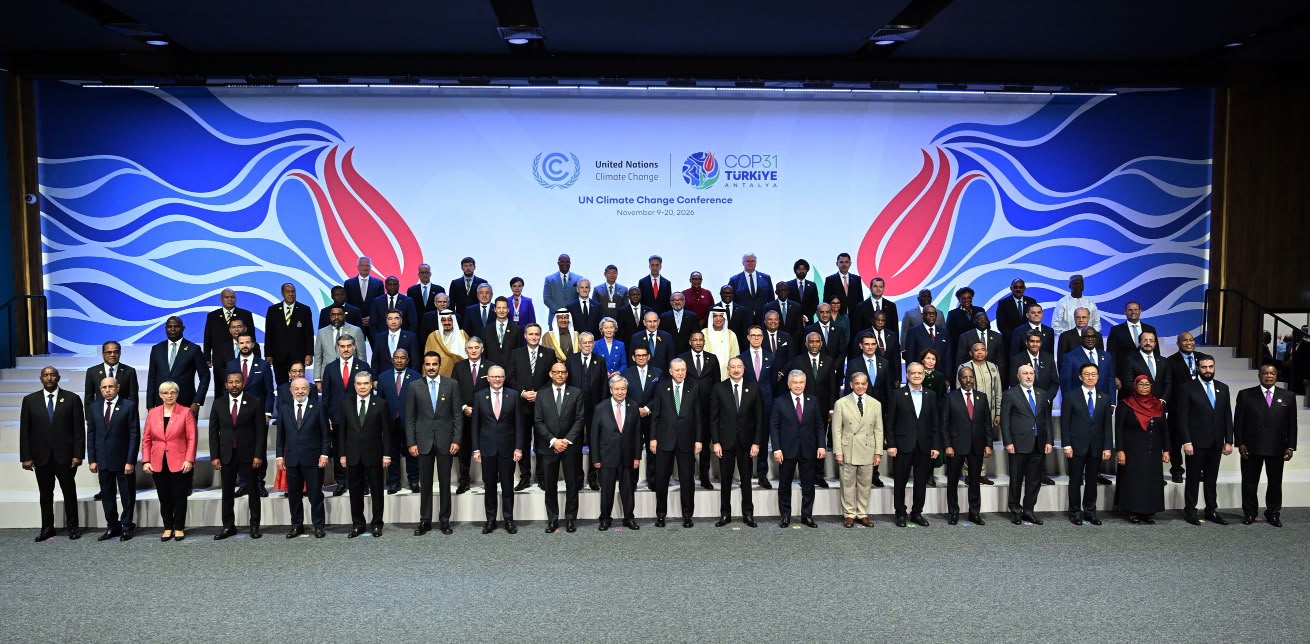
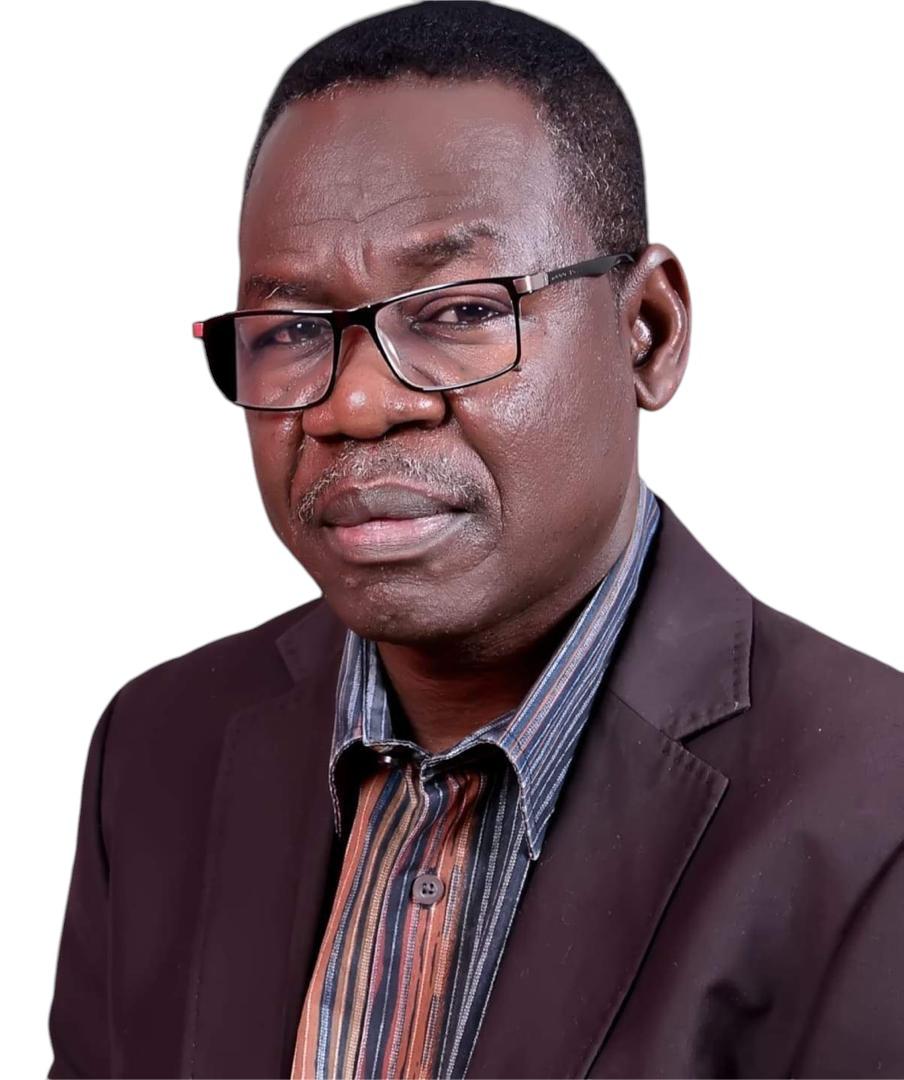
Dr. Magda Mustafa Sadig
Professor of Applied Economics and Dean, Faculty of Economics, Financial and Banking Studies – Sudan Global University

Khartoum (Sudanow)
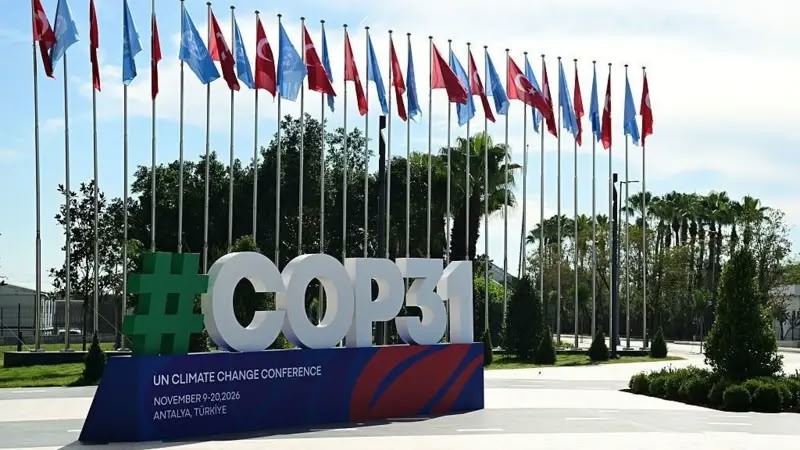
The question following the 31st Conference of the Parties on Climate Change (COP31), held in Antalya, Türkiye, is no longer simply what countries said. For many years, the world has become accustomed to impressive speeches, ambitious promises, and declarations highlighting the dangers of climate change. The real question has become much simpler, yet more urgent: How much will countries actually contribute? What will they implement? And when will people in the most vulnerable countries begin to feel the impact of these decisions?
The Antalya Conference took place at a particularly critical moment, as the world moves dangerously close to exceeding the target of limiting global warming to 1.5°C. The conference addressed several major issues, particularly the transition away from fossil fuels, increased climate finance, strengthened adaptation measures, and addressing loss and damage. These issues have become a real test of the international community's commitment to tackling the climate crisis.
Over successive climate conferences, the international community has become increasingly united in diagnosing the problem, but far less united when it comes to answering the most difficult questions: Who will pay? Who will bear the costs? And who is willing to compromise on their economic interests?
This is where the most sensitive issue for developing countries emerges. These countries have not been responsible for the largest share of historical greenhouse gas emissions, yet they bear a disproportionate burden of their consequences, including heatwaves, droughts, floods, land degradation, water scarcity, declining agricultural production, displacement, and climate-induced migration.
Therefore, climate justice cannot remain merely an ethical slogan. It must be translated into genuine financing mechanisms that developing countries can access under fair and affordable conditions. Climate finance is not charity for poor countries; rather, it represents part of the international responsibility for addressing a global crisis to which industrialised countries have historically contributed significantly.
Although the world has become more aware of the scale of the threat, the gap between commitments and implementation remains wide. The problem is no longer a lack of scientific studies or evidence. Instead, it lies in translating knowledge into policies, policies into financing, and financing into practical projects that reach the communities most affected.
One of the most complicated issues remains the future of fossil fuels. The world continues to emphasise the need to transition towards a low-carbon economy, while reaching clear agreement on the future of oil, gas, and coal remains a major political and economic challenge.
Here lies the contradiction: How can a genuine energy transition be achieved when the international community cannot agree clearly on how to reduce dependence on one of the major sources of greenhouse gas emissions?
Furthermore, increasing electricity consumption alone does not necessarily mean that the world is becoming greener. The climate impact depends fundamentally on how that electricity is generated. If increased electricity demand is met through carbon-intensive energy sources, the result may simply be a change in the form of energy consumption rather than a genuine transformation of the energy system and the wider economy.
Developing countries, meanwhile, face a much more complicated equation. They are expected to transition towards clean energy while simultaneously expanding electricity generation, achieving economic growth, creating employment opportunities, reducing poverty, and improving essential public services.
Millions of households around the world still lack adequate access to electricity. This makes the energy transition fundamentally different for developing countries compared with industrialised nations. Developing countries cannot address climate change independently of their people's right to development, energy, food, and water.
Climate justice therefore requires a just energy transition, one in which poor countries do not bear the entire cost of transformation and are not forced to choose between economic development and environmental protection.
The situation becomes even more challenging when viewed through the lens of wars and conflicts. The world is not facing a climate crisis in isolation; it is simultaneously experiencing interconnected economic, security, and humanitarian crises. Wars destroy infrastructure, increase displacement, undermine food and water security, and consume resources that could otherwise be directed towards climate adaptation and sustainable development.
For fragile and conflict-affected countries, the situation is particularly severe. They find themselves trapped between two major challenges: the climate crisis and the development crisis. A country struggling to rebuild its schools, hospitals, roads, water networks, and energy infrastructure must simultaneously invest in adapting to climate change.
This highlights the importance of climate finance for developing countries, not only for renewable energy projects but also for protecting agriculture, water resources, infrastructure, public health, and livelihoods.
For Sudan, climate change is neither a distant concern nor a challenge that can be postponed. Climate-related changes directly affect agriculture, livestock, water resources, food security, and livelihoods. Rising temperatures, irregular rainfall, drought, and desertification represent growing challenges to economic and social development.
Sudan therefore needs to become an active participant in the global climate finance system, not merely to secure financial resources but also to develop sustainable projects in solar energy, water management, climate-smart agriculture, combating desertification, early warning systems, and climate-resilient infrastructure.
The coming phase also requires developing countries to strengthen their capacity to prepare bankable climate projects, improve institutional frameworks, data systems, and governance, ensuring that available international resources reach the communities that need them most.
Perhaps COP31 reflected the realities of the global situation more than it represented a decisive turning point. There has been clear progress in clean energy, technology, and green investment, and several countries and institutions are taking meaningful action. However, the gap between the speed of the crisis and the pace of the global response remains substantial.
The problem is not that the world does not know what to do. Scientific knowledge is clear, technology is available, and alternative solutions are expanding. The fundamental challenges are political will, financing, and fairness in distributing the costs of the transition.
The pessimism imposed by reality, however, should not turn into surrender. Climate change does not wait for conferences, floods do not wait for agreements, and droughts do not wait for funding. Poor communities that have lost their homes and livelihoods cannot afford to wait until the next climate summit.
The era of promises that continually postpone solutions to the future must come to an end. The real test after COP31 is whether words can be transformed into funding, funding into projects, and projects into genuine protection for people.
If the international community succeeds in achieving this, Antalya may become a turning point from climate conferences to climate action. However, if countries remain at the stage of indecision, pessimism will no longer be merely a journalistic perspective; it will become an accurate description of a climate reality that grows more dangerous every year.
Climate change will not wait until 2030, and its victims cannot postpone their survival until another climate summit.
Post your comments
Photo of the Week

Khartoum (Sudanaow Magazine) - In the heart of the capital Khartoum, specifically in the upscale Al-Taif neighbourhood, a young Sudanese man succeeded in turning his childhood dream and hobby of raising birds into a unique environmental and tourism project in Sudan and the region. It is the Marshal Nature Reserve, which had become a destination for visitors, embassies, and intern...
More-
16 November, 2026
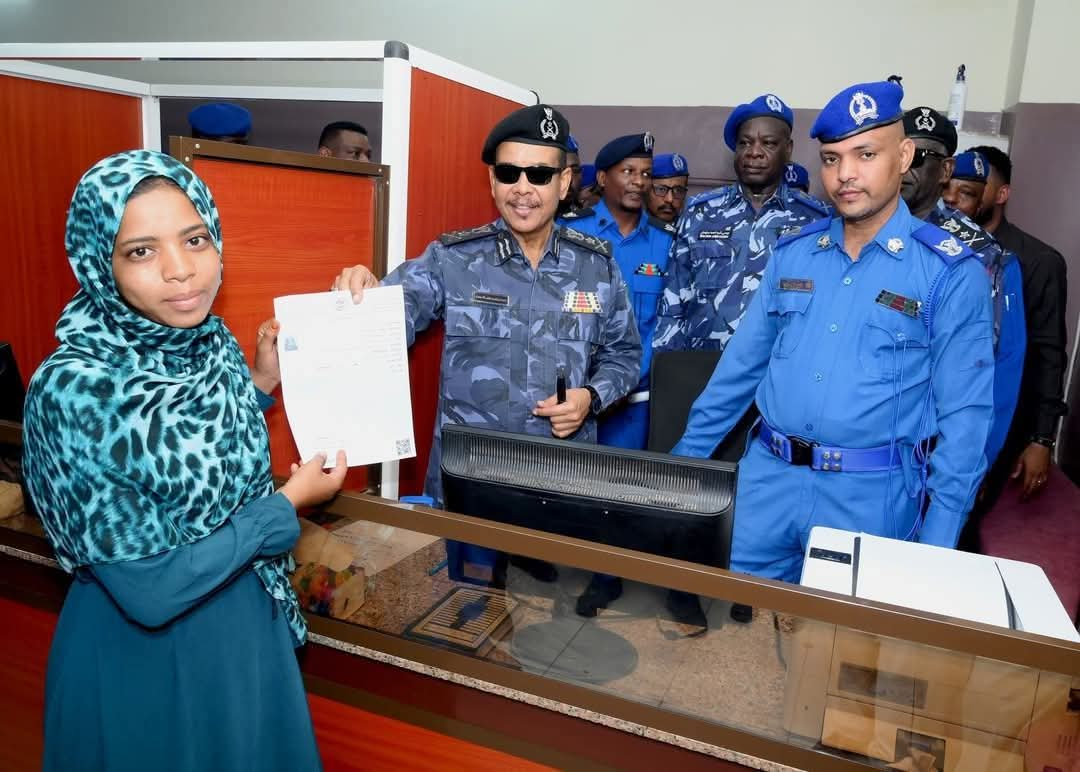
Tales of Return Civil Registry Recovers Its Entire Database Despite War Destruction
A significant step forward:Reviewing civil records and refining National Identification Numbers to safeguard national identity. Major General Iqbal Mansour: Data recovery has enabled the continuation of services and the resumption of registration. Lieutenant General Dr. Jalal Tawar: Hails the thwarting of militia plans. Sudan’s Civil Registry has fully recovered its database despite the damage inflicted on its a...

Contact Us

Address: Sudan News Agency (SUNA) Building, Jamhoria Street, Khartoum - Sudan
Mobile:+249 909220011 / +249 912307547