




Clean Cities, Clean Minds: How Urban Cleanliness Reflects Public Psychology
22 November, 2026
Khartoum (Sudanow)
Cleanliness is one of the most important human values, reflecting the awareness of individuals and communities. More than a daily habit, it is a mark of civilization and refinement, and an expression of respect for oneself, others, and the surrounding environment. Religions and cultures have long emphasized cleanliness for its role in protecting health, preventing disease, and bringing beauty and order to everyday life. A clean community is a healthier, more welcoming place, where people feel comfortable, confident, and connected.

To explore these values, Sudanow spoke with Professor Muaz Sharfi, a consultant in child and youth mental health and an expert in crisis and disaster management, who said:
The relationship between a city’s cleanliness and its residents’ psychological well-being is far from superficial. It is a reciprocal cycle: the city’s appearance reflects the psychological and cultural life of its residents, while the urban environment, in turn, shapes their behavior, mood, and productivity.
In environmental psychology, this relationship can be understood through five dimensions:
1. Visual clutter and accumulated stress
The human brain seeks order to reduce cognitive effort. A city filled with waste and visual disorder forces the brain to process countless random stimuli, raising levels of the stress hormone cortisol and increasing irritability and mental fatigue. A clean city, by contrast, gives the nervous system a sense of safety and ease.
2. The “broken windows” theory
One of the best-known theories of urban behavior, it suggests that a visible sign of neglect—a broken window or a pile of rubbish—sends an unspoken message: “No one cares here.”
This perception can weaken a person’s sense of responsibility and encourage further littering, even when that same person would carefully follow the rules in a cleaner city.
3. Belonging and attachment to place
When residents feel that their city belongs to them and respects their humanity, they develop an attachment to it and protect it as an extension of their dignity.
Conversely, feelings of marginalization and injustice may lead people, sometimes unconsciously, to neglect their surroundings as an expression of silent protest and alienation.
4. Links with depression and anxiety
Studies have shown that living in polluted neighborhoods is associated with higher rates of anxiety and depression, as such environments can create feelings of helplessness and loss of control. Clean green spaces, meanwhile, promote the release of hormones associated with happiness.
5. Social discipline and productivity
Cleanliness is more than a healthy practice; it is a daily exercise in self-control and resisting immediate impulses—for example, keeping a piece of paper in your pocket instead of dropping it on the ground.

Societies that cultivate this habit demonstrate greater discipline at work and greater respect for time and the law.
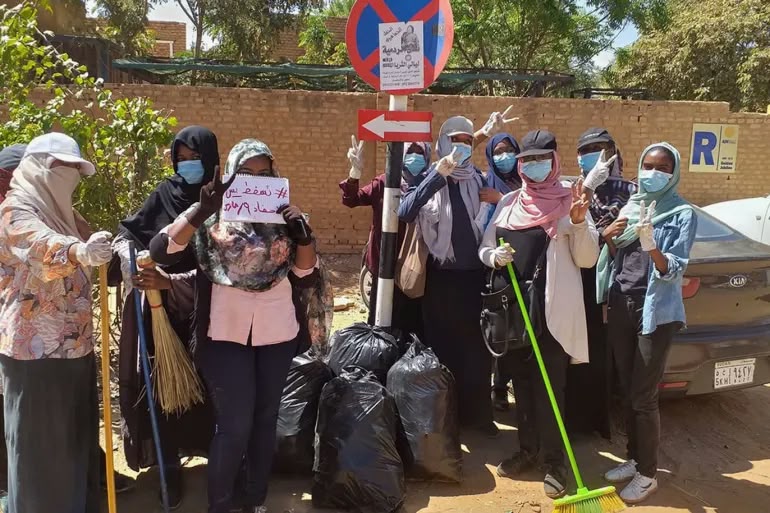
Cleaning a city begins with more than rubbish collection. It also requires repairing the psychological relationship between people and the places they inhabit. When the physical environment improves, the community’s outlook responds, encouraging greater care, calm, and consideration for others.
Post your comments
Photo of the Week

Khartoum (Sudanaow Magazine) - In the heart of the capital Khartoum, specifically in the upscale Al-Taif neighbourhood, a young Sudanese man succeeded in turning his childhood dream and hobby of raising birds into a unique environmental and tourism project in Sudan and the region. It is the Marshal Nature Reserve, which had become a destination for visitors, embassies, and intern...
More-

16 November, 2026
Tales of Return Civil Registry Recovers Its Entire Database Despite War Destruction
A significant step forward:Reviewing civil records and refining National Identification Numbers to safeguard national identity. Major General Iqbal Mansour: Data recovery has enabled the continuation of services and the resumption of registration. Lieutenant General Dr. Jalal Tawar: Hails the thwarting of militia plans. Sudan’s Civil Registry has fully recovered its database despite the damage inflicted on its a...

Contact Us

Address: Sudan News Agency (SUNA) Building, Jamhoria Street, Khartoum - Sudan
Mobile:+249 909220011 / +249 912307547